Cafans Journal
Stories & FindsCSSBuy Spreadsheet Guide for English-Speaking Buyers: Navigating CAFANS and Product Links
What the CSSBuy Spreadsheet Actually Is
The CSSBuy spreadsheet is the single most useful tool in the CSSBuy ecosystem for English-speaking buyers. It is a community-maintained, continuously updated catalogue of product links — clothing, sneakers, accessories, electronics, and household goods — that agents and shoppers have verified and organized into searchable sheets. For anyone who has ever stared at a Chinese marketplace listing with no idea whether a seller ships on time or whether a size chart is trustworthy, the spreadsheet removes most of the guesswork.
This CAFANS guide walks you through how the spreadsheet fits into the wider CSSBuy guide landscape, how to read it correctly, and how to combine it with standard CSSBuy product links and the general CSSBuy shopping guide. By the end you should be able to treat the CSSBuy spreadsheet guide as a working reference rather than a mysterious link dump.
Why Buyers Rely on the Spreadsheet
CSSBuy itself is an agent service: you paste a product link, they purchase it, inspect it, and ship it internationally. The spreadsheet complements that workflow in three ways.
- Curated links. Sheets are grouped by category, seller, and sometimes batch or version. Instead of hunting through marketplace search results, you open a tab and copy a verified URL.
- Community feedback. Columns often note quality ratings, known flaws, sizing quirks, and whether a seller has gone quiet. This is informal but surprisingly accurate.
- Price transparency. Because each entry lists the item price in yuan, you can estimate your landed cost before committing to an agent order.
Think of the spreadsheet as the catalogue and CSSBuy as the checkout. They serve different jobs, and confusing them is the most common beginner mistake.
Reading a Sheet Without Getting Lost
Open any popular sheet and you will see a grid of columns. Typical headers include item name, category, seller, price, weight, QC notes, and a link. Some sheets add a version or batch tag, a sizing column with real measurements, and a status flag for discontinued products. Learn to sort and filter early — a thousand-row sheet is unmanageable until you filter by category and price band.
Pay attention to weight. Agent shipping is charged by volumetric or actual weight, so a cheap hoodie that weighs 900 grams may cost more to ship than a lighter alternative. A good CSSBuy spreadsheet guide always reminds you to check the weight column before falling in love with a price.
How the Spreadsheet Connects to Product Links
The spreadsheet is a directory of CSSBuy product links, but not every link is equal. Some point to live listings; others point to dead pages where the seller has removed the item. Before you paste a link into your CSSBuy order form, open it, confirm the item still exists, check available colours and sizes, and note the price. If the link is dead, search the sheet's update channel or the community forum for a replacement.
CSSBuy's own product link submission tool accepts marketplace URLs directly, so the spreadsheet and the agent interface fit together with almost no friction. The gap between browsing and buying is small — but you should still verify each link manually.
A Practical CSSBuy Shopping Guide Workflow
Here is a repeatable process that experienced buyers use:
- Browse the sheet and shortlist five to ten items by category and budget.
- Open each product link and confirm availability, sizes, and current price.
- Build a CSSBuy order by pasting links one at a time, choosing variant options, and paying the item cost.
- Request QC photos once items reach the warehouse; compare them with the sheet's notes.
- Choose a shipping line based on weight, destination, and your tolerance for waiting.
- Consolidate parcels to reduce per-kilogram cost and declare accurately.
This is the practical core of any CSSBuy shopping guide, and the spreadsheet simply front-loads the research so steps two and three are faster.
Related Terms and Vocabulary You Will Meet
As you read sheets, guides, and forum threads, you will run into a specific vocabulary. The list below covers thirty related terms you should recognize.
Agent, warehouse, consolidation, parcel, haul, QC photos, inspection, batch, version, seller, store link, dead link, Yupoo album, Weidian, Taobao, 1688, sizing chart, weight bracket, volumetric weight, shipping line, customs declaration, rehearsal packing, refund window, exchange, coupon, service fee, domestic shipping, exchange rate, tracking number.
Knowing these terms makes the CSSBuy spreadsheet far less intimidating. For example, when a sheet says a seller has a strong "Yupoo album," it means you can browse high-resolution photos outside the marketplace. When a column reads "rehearsal packing recommended," it is telling you to ask CSSBuy to pre-pack so you know the real weight before paying for shipping.
Common Mistakes to Avoid
First, do not treat sheet prices as final. Agent fees, domestic shipping, and international freight all add up. Second, do not assume a link is current — sheets age quickly. Third, do not skip QC photos; they are your only protection against a wrong size or a visible flaw. Fourth, do not overload a single parcel with fragile and heavy items. Fifth, do not trust a single review; cross-check a seller across multiple sheets and community posts.
Final Advice
The best way to use this ecosystem is to read the CSSBuy guide material once, bookmark the CSSBuy spreadsheet guide for reference, and then work from the spreadsheet itself. Combine curated CSSBuy product links with a disciplined CSSBuy shopping guide routine, and the process becomes predictable: shortlist, verify, order, inspect, ship. The spreadsheet is not magic — it is simply organized research, and organized research is what separates a smooth haul from a frustrating one.
Editor's selection
Popular Products

Sneakers B22 B30 Unisex Classic Sneakers | UIDBuy spreadsheet | BBDBuy spreadsheet - 135717

Outdoor Casual Sneakers | Hipobuy spreadsheet | OOTDBuy spreadsheet | JoyaGoo spreadsheet - 141223

Sneakers 04 Classic Sneakers | LoongBuy spreadsheet | JoyaGoo spreadsheet | USFans spreadsheet - 135678

Sneakers P-0100 Unisex Sneakers | Kakobuy spreadsheet | BBDBuy spreadsheet | MyCNBox spreadsheet - 136114
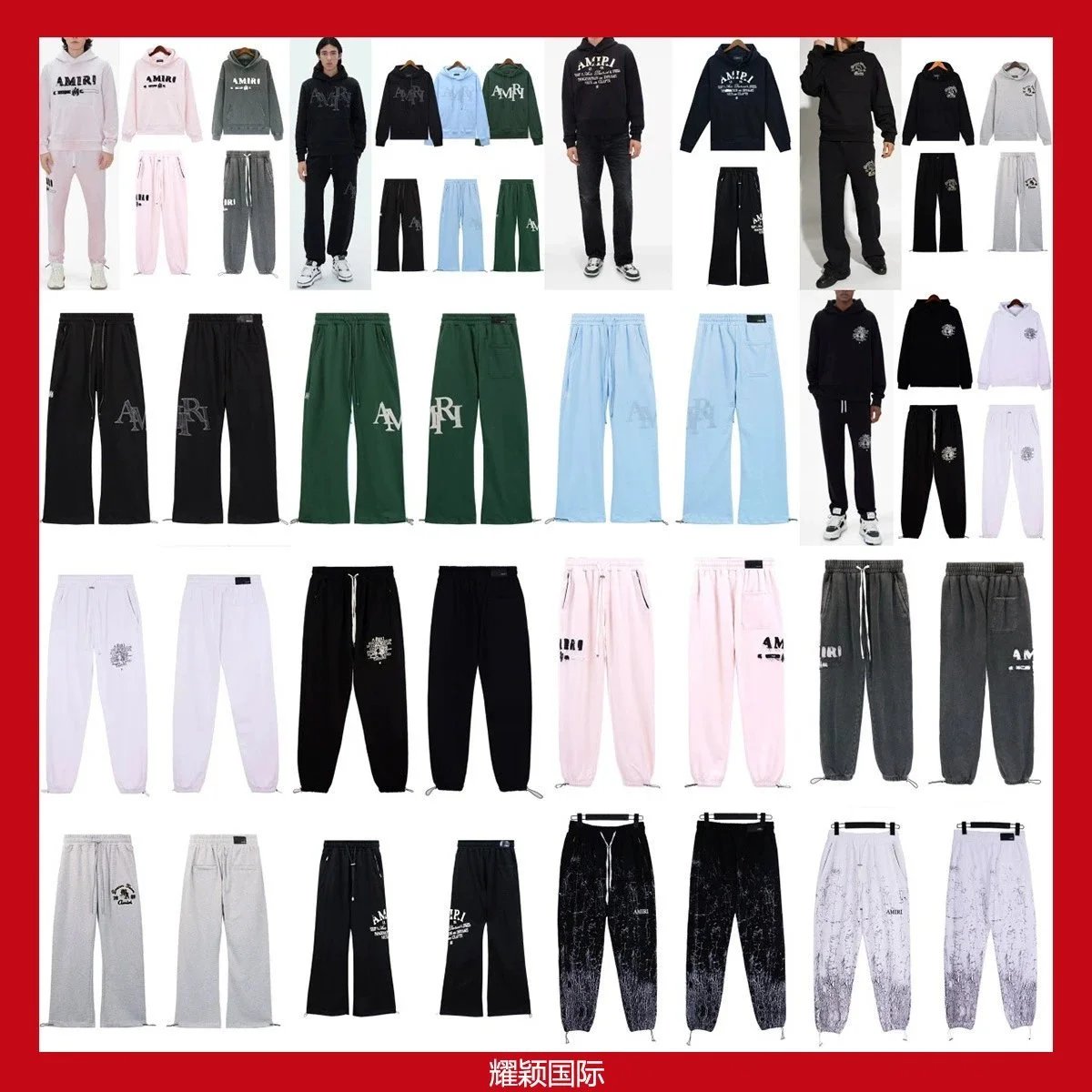
Graphic Hoodies and Sweatpants Collection LH25 Unisex | Oopbuy spreadsheet | Hipobuy spreadsheet - 140989

Sneakers 2025 Skate Sneakers | MyCNBox spreadsheet | iTaoBuy spreadsheet | USFans spreadsheet - 135965

E Fleece-Lined Hoodie and Sweatpants Set | OOTDBuy spreadsheet | GTBuy spreadsheet - 136189