Cafans Journal
Stories & FindsLovegobuy Spreadsheet Guide: The Complete CAFANS Shopping Handbook
Lovegobuy Spreadsheet Guide: The Complete CAFANS Shopping Handbook
If you have spent any time in the replica and agent-shopping community, you have probably heard the term CAFANS thrown around. This Lovegobuy guide explains what CAFANS means, how the lovegobuy spreadsheet works, and how to use lovegobuy product links responsibly. Whether you are a first-time buyer or a seasoned veteran, this lovegobuy shopping guide will walk you through the essentials in about 1,000 words.
What Is CAFANS?
CAFANS is a shorthand label used in agent-shopping circles to describe a category of curated product lists and spreadsheet resources associated with certain community-maintained catalogs. In practice, when people say “CAFANS” they usually mean the ecosystem of spreadsheets, find lists, and shared links that help buyers discover items across agent platforms. The lovegobuy spreadsheet guide approach treats CAFANS as a discovery layer, not a storefront: it points you toward products, but you still verify everything yourself.
A quick disclaimer before we go further: this article is informational only. It does not endorse any particular seller, and it does not guarantee quality, authenticity, or legality of any item. Always check platform rules, customs regulations, and your own local laws before purchasing.
How the Lovegobuy Spreadsheet Works
The lovegobuy spreadsheet is essentially a structured table. Each row typically contains a product name, a category tag, a reference image, a price range, a size chart note, and one or more links. Community editors add rows over time, and readers flag dead links or outdated prices. The strength of the format is comparability: you can sort by category, scan price bands, and shortlist candidates before committing.
Typical columns you will encounter include:
- Item name and category — sneakers, hoodies, bags, accessories, and so on.
- Reference price — usually a range, not a fixed number.
- Size and fit notes — whether an item runs small, large, or true to size.
- Link column — where lovegobuy product links live.
- Status flags — “verified,” “out of stock,” or “needs review.”
Reading Lovegobuy Product Links
Lovegobuy product links are the connective tissue of any spreadsheet. Before you click, understand what a link actually tells you. A product link usually opens an item page on an agent or marketplace platform. It may include a batch code, a factory tag, or a seller ID. None of those guarantee quality on their own.
A sensible checklist for any link:
- Check the date. Spreadsheets go stale. A link from eight months ago may point to a discontinued batch.
- Confirm the batch. Many items are produced in multiple batches with different materials. Ask the seller which batch is shipping.
- Request QC photos. Most agents provide warehouse inspection images before international shipping. Use them.
- Compare measurements. Ask for chest, length, and shoulder measurements rather than relying on size labels alone.
- Verify the URL. Avoid shortened or obfuscated links; open them only from the spreadsheet source you trust.
A Practical Lovegobuy Shopping Guide
Here is a repeatable workflow that works for almost any category.
Step 1: Shortlist from the spreadsheet
Open the lovegobuy spreadsheet, filter by the category you need, and save three to five candidates. Note the price range and any fit comments. Resist the urge to add twenty items; a tight shortlist makes QC comparison far easier.
Step 2: Validate each candidate
Open the lovegobuy product links one by one. Check the seller’s recent reviews, the listed material composition, and the return policy. If a listing has no size chart, message the seller before ordering.
Step 3: Order through your agent
Place the order with your chosen agent, pay the domestic leg first, and wait for warehouse photos. This is where the lovegobuy shopping guide mindset pays off: treat QC as a gate, not a formality. Reject items with visible flaws, wrong colors, or missing accessories.
Step 4: Consolidate and ship
Once approved, consolidate multiple items into one parcel to reduce shipping cost. Declare accurately according to your destination’s rules, and keep tracking numbers in one place.
Common Mistakes to Avoid
New buyers tend to make the same errors. Blindly trusting a spreadsheet row without checking the date is the most common. Another is ignoring volumetric weight, which can double the shipping cost of bulky items like jackets or shoeboxes. A third is skipping the size chart because the price looked good. Finally, many people forget that a spreadsheet is a community resource: if a link is dead, report it so the next reader benefits.
Staying Organized
The best users of any lovegobuy spreadsheet guide keep a personal tracker. A simple sheet with columns for item, batch, price, QC status, and shipping status prevents duplicate orders and forgotten parcels. Pair it with a folder of QC images named by order number, and you will never lose track of a claim.
Final Thoughts
CAFANS-style spreadsheets are discovery tools, not guarantees. Used carefully, the lovegobuy spreadsheet saves time, the lovegobuy guide keeps expectations realistic, lovegobuy product links speed up research, and this lovegobuy shopping guide gives you a repeatable process. Verify everything, photograph everything, and buy only what you can inspect before it ships.
Editor's selection
Popular Products
Sneakers B22 B30 Unisex Classic Sneakers | UIDBuy spreadsheet | BBDBuy spreadsheet - 135717
Outdoor Casual Sneakers | Hipobuy spreadsheet | OOTDBuy spreadsheet | JoyaGoo spreadsheet - 141223
Sneakers 04 Classic Sneakers | LoongBuy spreadsheet | JoyaGoo spreadsheet | USFans spreadsheet - 135678
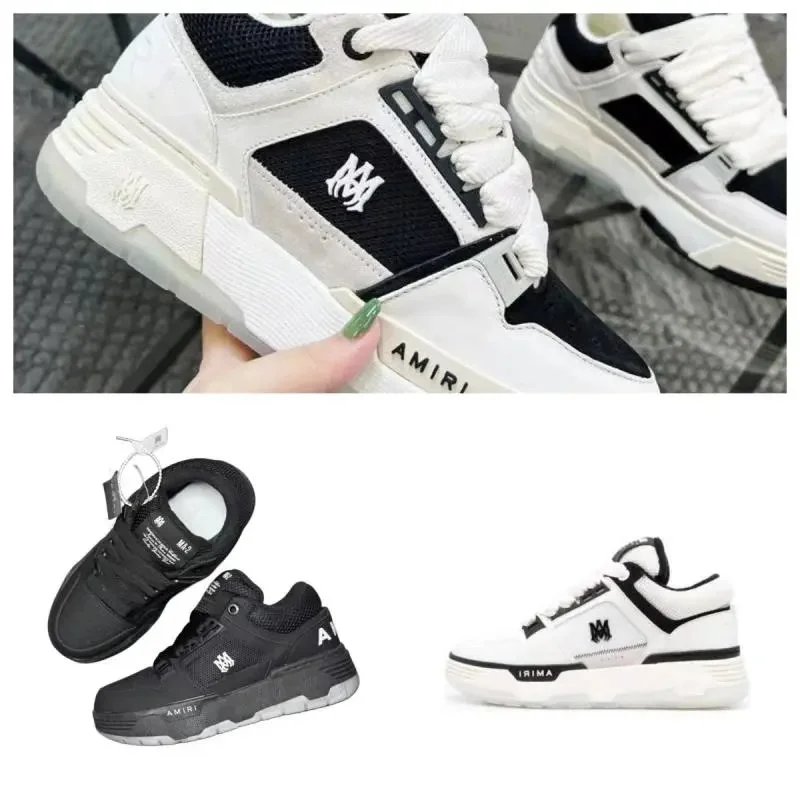
Sneakers P-0100 Unisex Sneakers | Kakobuy spreadsheet | BBDBuy spreadsheet | MyCNBox spreadsheet - 136114
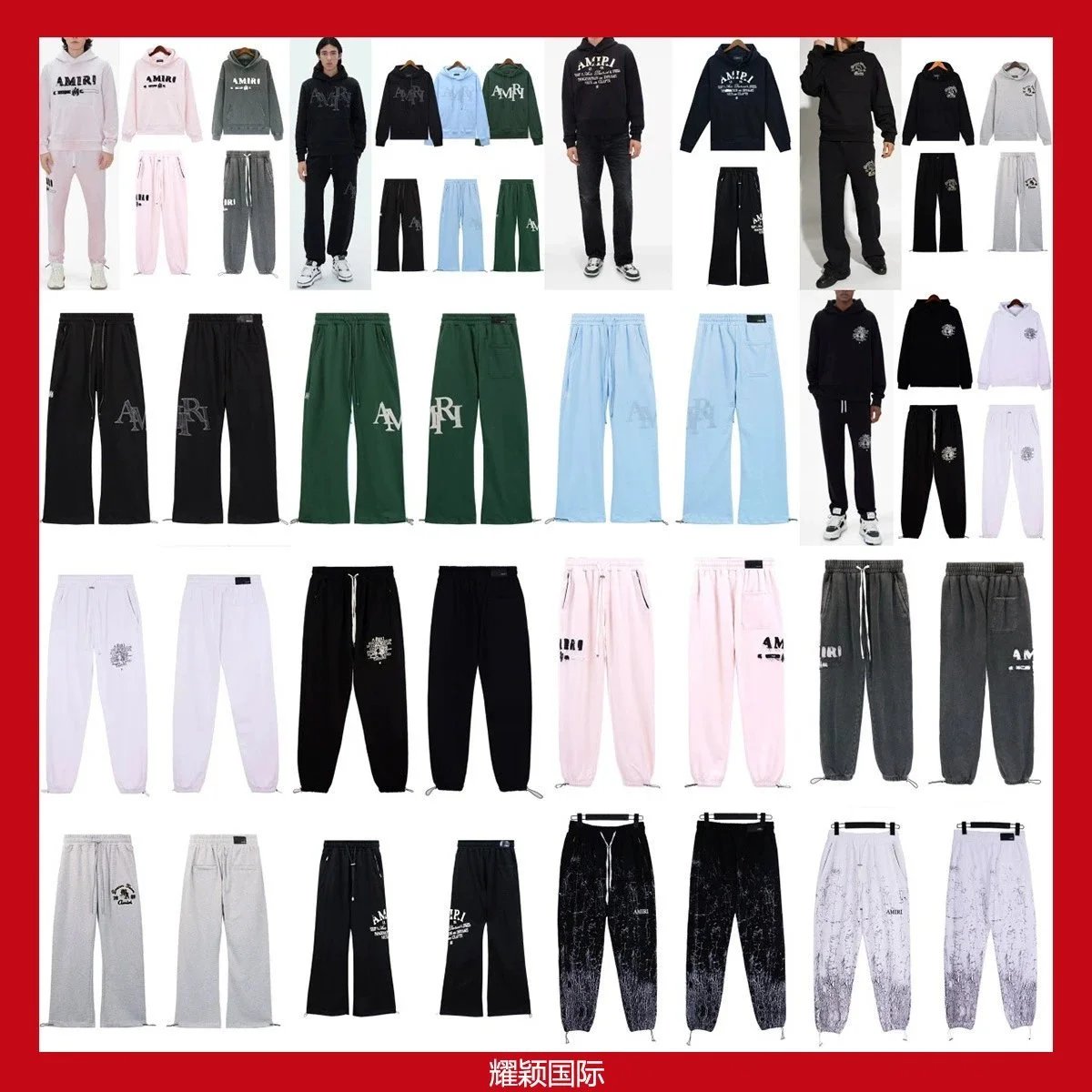
Graphic Hoodies and Sweatpants Collection LH25 Unisex | Oopbuy spreadsheet | Hipobuy spreadsheet - 140989
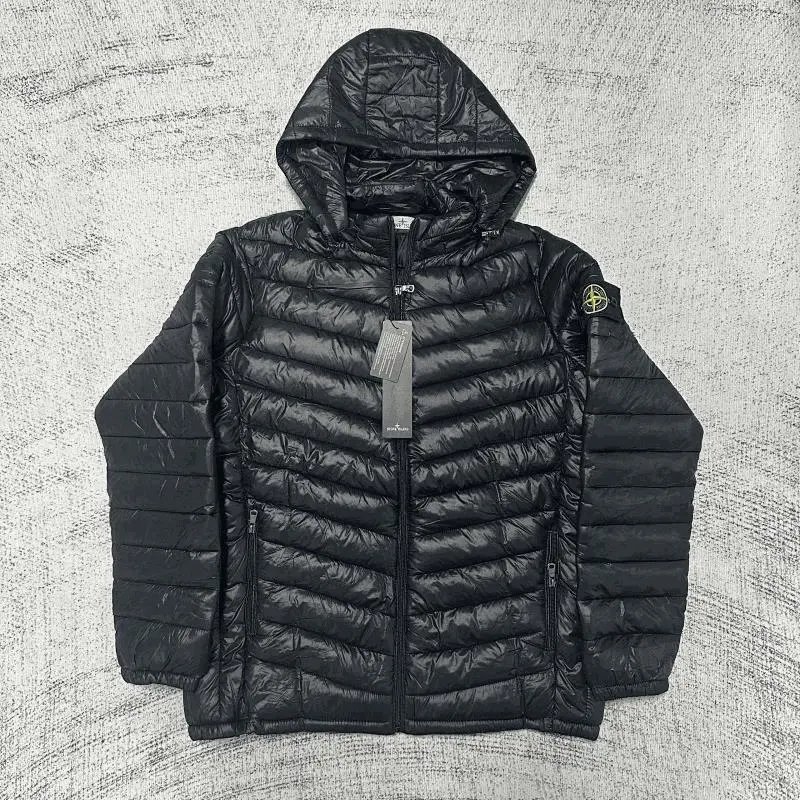
Winter Loose Down Jackets, Sweatshirts and Sweaters 003 | Sugargoo spreadsheet | CSSBuy spreadsheet - 141091

Sneakers 2025 Skate Sneakers | MyCNBox spreadsheet | iTaoBuy spreadsheet | USFans spreadsheet - 135965