Cafans Journal
Stories & FindsCAFANS Shopping Guide: Using a Kakobuy Spreadsheet for Smarter Finds
CAFANS Shopping Guide: Turning a Kakobuy Spreadsheet into a Smarter Shopping Routine
If you have spent any time browsing community shopping forums, you have probably noticed that the kakobuyspreadsheet keeps coming up. It is one of those quiet tools that experienced buyers rely on, yet newcomers often overlook. This CAFANS shopping guide walks you through what a spreadsheet actually does, how to use it alongside a kakobuy guide, and why pairing it with the right kakobuy product links can save you hours of clicking. Whether you are hunting for footwear, apparel, or accessories, a well-organized kakobuy spreadsheet can make the difference between a frustrating search and a smooth haul.
What Is a Kakobuy Spreadsheet?
At its core, a kakobuy spreadsheet is a curated list of products compiled by the community. Each row typically includes a listing name, a category tag, a size range, a price estimate, and a working link. Instead of scrolling through endless listings and guessing at quality, you open the sheet, filter by your criteria, and jump straight to items that others have already vetted. Think of it as a shared catalog built by people who care about fit, fabric, and value.
The kakobuyspreadsheet is especially useful because it groups items by type — sneakers, hoodies, tees, bags, and watches — so you can compare similar pieces side by side. It also tends to include notes on sizing quirks, which is invaluable when you cannot try things on. A good sheet is not just a list of links; it is a record of collective experience.
Why Use a Spreadsheet Instead of Searching Manually?
Manual searching has three problems: time, uncertainty, and inconsistency. A spreadsheet solves all three. First, it condenses dozens of listings into a single view, so you can scan a category in minutes. Second, it carries social proof — items that survive in a sheet are usually there because someone found them reliable. Third, it standardizes information, so you compare price, size, and material using the same fields rather than guessing from scattered listings.
For anyone following a kakobuy shopping guide, the spreadsheet becomes the backbone of the process. You use the guide to understand the workflow, then use the sheet to execute it efficiently. The two work best together: the guide explains the steps, and the sheet supplies the candidates.
How to Read a Kakobuy Spreadsheet
1. Start with the category tabs
Most sheets split into tabs such as sneakers, hoodies, jackets, pants, bags, and accessories. Begin with the tab that matches your goal. If you are building a winter wardrobe, jump to outerwear and knitwear rather than scrolling the entire file.
2. Check the column headers
Typical columns include item name, seller or store reference, price, size availability, weight, and a link. Some sheets add a quality tier or a "batch" note. Read the headers before you filter — knowing what each column means prevents costly mistakes.
3. Use filters and search
Filter by price range to stay within budget. Search for keywords like "fleece," "oversized," or "waterproof" to narrow the list. Sorting by weight helps if you are consolidating a parcel and want to estimate shipping.
4. Cross-check the link
Always open the kakobuy product links before committing. Confirm the size chart, the material description, and the current price. Listings change; a sheet is a snapshot, not a guarantee.
Building a Shopping Plan Around the Sheet
A spreadsheet is most powerful when you pair it with a plan. Here is a simple routine used by regulars.
- Define the goal. Decide whether you are filling a gap (a missing jacket) or exploring (browsing sneakers).
- Shortlist five to eight items. Pull candidates from the sheet into your own shortlist with notes on size and color.
- Compare against the guide. Use the kakobuy guide to check shipping thresholds, consolidation rules, and return policies.
- Verify links. Open each product page, confirm availability, and note the weight for shipping estimates.
- Consolidate. Group items by warehouse or seller to reduce shipping cost.
This workflow keeps you focused. The sheet supplies options; the guide supplies rules; your shortlist supplies decisions.
Common Mistakes to Avoid
Even a great kakobuy spreadsheet cannot protect you from every error. Watch for these pitfalls.
- Trusting outdated rows. Sheets are updated by volunteers. If a link is dead or a size is gone, move on.
- Ignoring size charts. Asian sizing often runs small. Always measure and compare.
- Skipping the weight column. A cheap item with heavy weight can cost more in shipping than it saves.
- Overloading a single haul. Large parcels raise customs risk. Split orders when needed.
- Forgetting the guide. A kakobuy shopping guide explains fees and timelines that the sheet does not cover.
Categories You Will Find in a Kakobuy Spreadsheet
Most sheets cover a predictable range of categories. Sneakers dominate, from running styles to retro basketball silhouettes. Apparel includes hoodies, crewneck sweatshirts, tees, cargo pants, and denim. Outerwear covers puffer jackets, fleece, and windbreakers. Accessories include crossbody bags, backpacks, belts, caps, and sunglasses. You will also find watches, jewelry, and small electronics. Knowing the categories helps you navigate quickly and set realistic expectations.
When you browse, keep a note of which categories tend to have the best value. Many shoppers find that hoodies and tees offer the most predictable sizing, while sneakers demand careful attention to size charts. Bags and accessories are often the easiest add-ons because fit is less of a concern.
Making the Most of Community Updates
The strength of a kakobuyspreadsheet is its community. Rows get added, corrected, and retired as sellers change stock. Follow the update channels tied to the sheet, and check the revision date before you shop. If you find a broken link, report it — that small act keeps the sheet useful for everyone. Treat the sheet as a living document rather than a static catalog.
Pair this habit with a personal log. Record what you bought, the size, the price, and how it fit. Over time, your own notes become a mini spreadsheet tailored to your body and taste, and you will rely less on guesswork with every haul.
Final Thoughts
The kakobuyspreadsheet is not magic — it is organized community knowledge. Used alongside a solid kakobuy guide and verified kakobuy product links, it turns a chaotic search into a repeatable routine. Start with one category, shortlist a few items, verify each link, and consolidate your parcel. Do that a few times and the kakobuy spreadsheet becomes the first tab you open whenever you plan a haul. For more practical walkthroughs, keep this CAFANS shopping guide bookmarked and revisit it before each order.
Editor's selection
Popular Products

Sneakers B22 B30 Unisex Classic Sneakers | UIDBuy spreadsheet | BBDBuy spreadsheet - 135717

Outdoor Casual Sneakers | Hipobuy spreadsheet | OOTDBuy spreadsheet | JoyaGoo spreadsheet - 141223

Sneakers 04 Classic Sneakers | LoongBuy spreadsheet | JoyaGoo spreadsheet | USFans spreadsheet - 135678
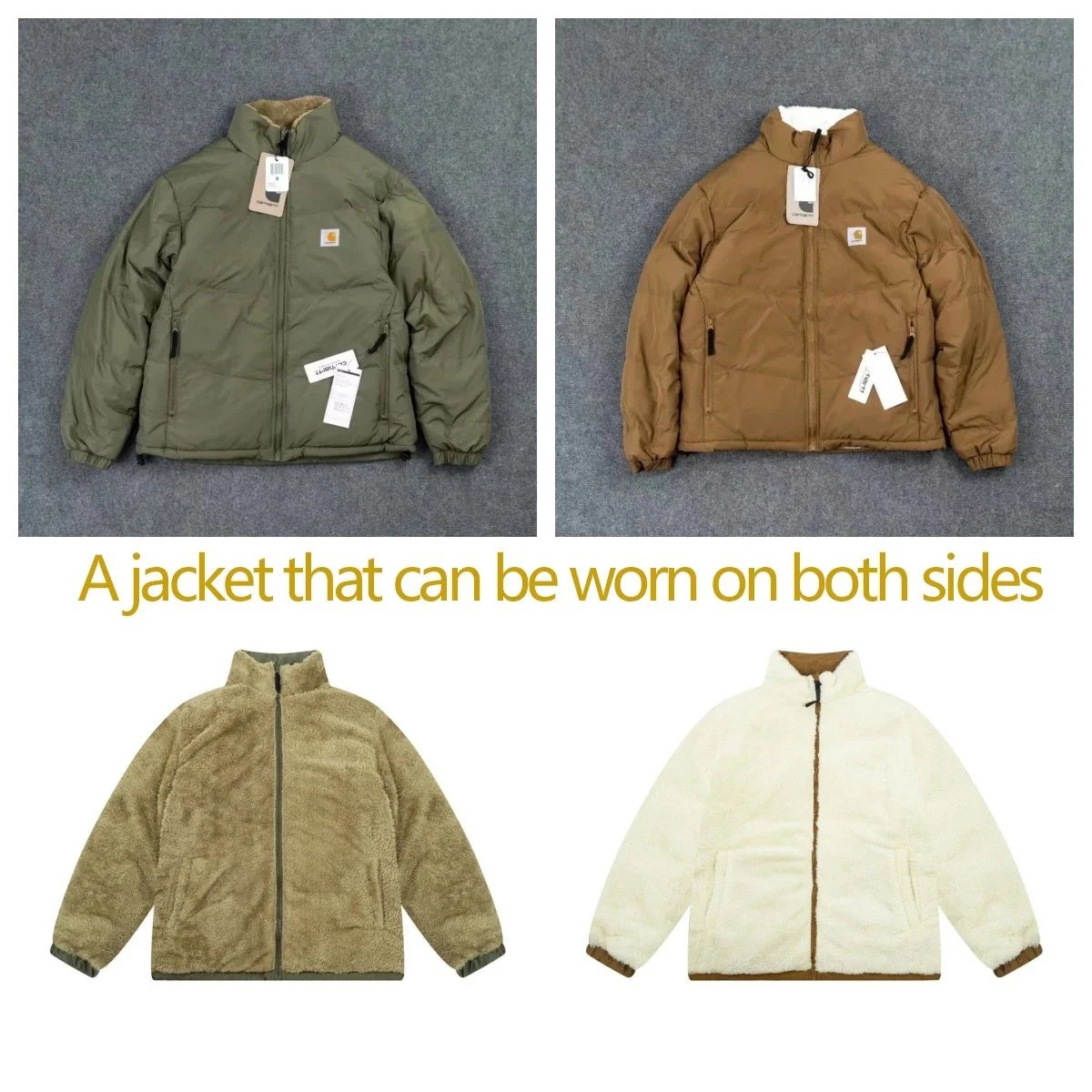
Classic Comfortable Fleece Jacket | Kakobuy spreadsheet | USFans spreadsheet - 141079

Sneakers P-0100 Unisex Sneakers | Kakobuy spreadsheet | BBDBuy spreadsheet | MyCNBox spreadsheet - 136114
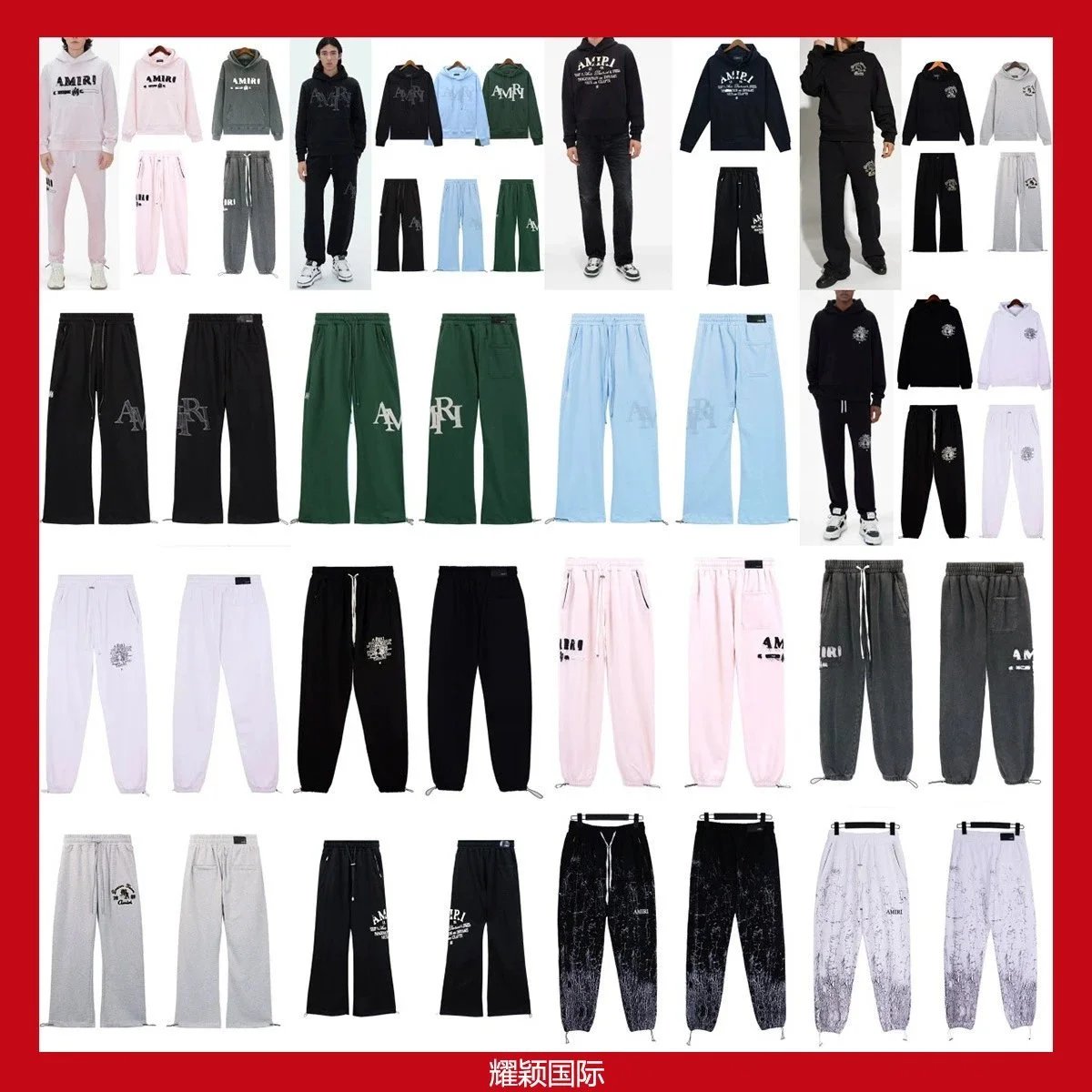
Graphic Hoodies and Sweatpants Collection LH25 Unisex | Oopbuy spreadsheet | Hipobuy spreadsheet - 140989
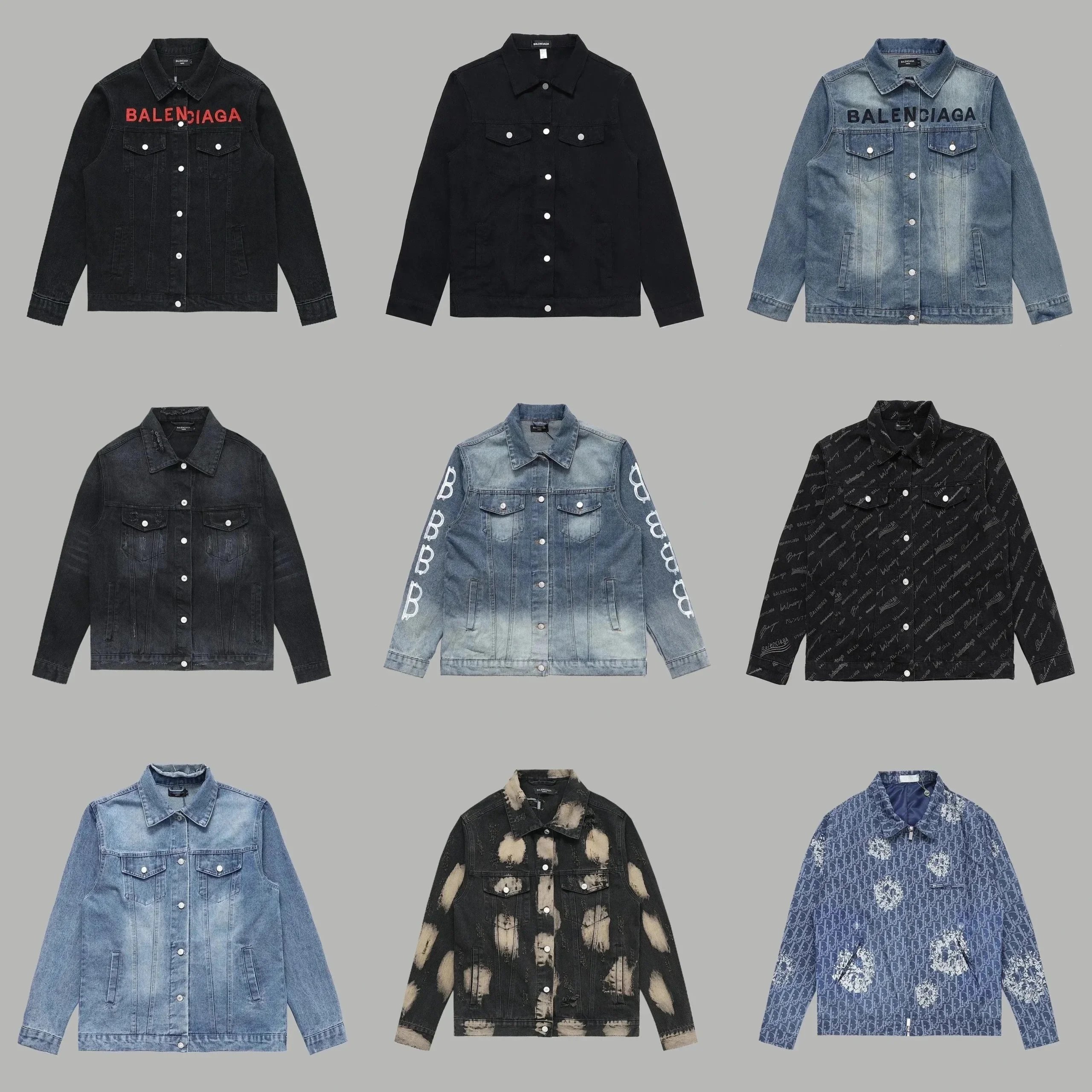
YHH Denim Jacket 002 | LoongBuy spreadsheet | Hubbuycn spreadsheet | OOTDBuy spreadsheet - 138822
