Cafans Journal
Stories & FindsSugargoo Guide: How to Use the Sugargoo Spreadsheet and Product Links
Sugargoo Guide: Navigating the Spreadsheet, Product Links, and Shopping Workflow
This Sugargoo guide is written for newcomers who want a clear, practical walkthrough of how the platform works. Sugargoo is an online shopping agent that helps international buyers purchase items from Chinese marketplaces, consolidate parcels, and arrange international shipping. Whether you have heard about it through a friend, a forum thread, or a Sugargoo spreadsheet shared in a community, this article explains the main concepts in plain English.
What Is Sugargoo?
Sugargoo acts as a middleman between you and domestic Chinese sellers. Instead of dealing directly with sellers who may not ship abroad, you submit a product link, pay the agent, and the agent buys the item on your behalf. The item arrives at a warehouse, where staff inspect it, take QC (quality control) photos, and store it until you are ready to ship. This model is common among replica buyers, sneaker enthusiasts, and people hunting for affordable clothing, accessories, and home goods.
Key terms you will encounter include agent, warehouse, QC photos, consolidation, parcel, declare value, and shipping line. Understanding these words makes the rest of the process much easier.
Why the Sugargoo Spreadsheet Matters
A Sugargoo spreadsheet is a curated list of product links, usually organized by category such as sneakers, hoodies, jackets, pants, bags, watches, jewelry, and accessories. These spreadsheets are maintained by community members and typically include columns for the item name, seller, price, size range, and a direct link to the product page.
The spreadsheet is popular because it saves time. Instead of scrolling through marketplace search results and guessing which sellers are reliable, you can browse a pre-screened list. However, treat spreadsheets as a starting point, not a guarantee. Prices change, links go dead, and seller stock fluctuates. Always verify the current listing before purchasing.
How to Read a Sugargoo Spreadsheet
- Category tabs – most spreadsheets split items into tabs like shoes, tops, bottoms, and accessories.
- Product name – often a descriptive title rather than an official brand name.
- Seller or store – helps you compare the same item across different shops.
- Price – usually in CNY; convert to your currency to budget properly.
- Link – the direct URL you paste into the Sugargoo order form.
- Notes – sizing advice, batch information, or warnings about flawed batches.
Using Sugargoo Product Links
Sugargoo product links are the backbone of the ordering process. A product link is simply the URL of an item on a supported marketplace. To place an order, copy the link, paste it into the Sugargoo search or order box, select your size and color, and confirm the price.
Always double-check that the link matches the item you actually want. Product pages sometimes contain multiple variants, and choosing the wrong size or color is one of the most common beginner mistakes. If a link is broken, search the product name or ask the community for an updated link.
A Step-by-Step Sugargoo Shopping Guide
- Create an account – register on the Sugargoo website and complete your profile.
- Find items – browse a Sugargoo spreadsheet or search marketplaces directly.
- Submit the order – paste the product link, choose the variant, and pay.
- Wait for warehouse arrival – the seller ships domestically to the Sugargoo warehouse.
- Review QC photos – inspect the photos and request a return or exchange if something is wrong.
- Submit parcel – select the items you want to ship, choose a shipping line, and declare a value.
- Pay shipping – shipping is calculated by weight and destination.
- Track and receive – follow the tracking number until the parcel arrives.
Common Terms Explained
New users often ask about rehearsal packaging, which estimates shipping weight before you submit a parcel; value-added services, such as extra photos or protective packaging; storage time, the free period items can stay in the warehouse; and customs, the import rules of your country. Other useful terms include batch, QC, haul, agent fee, domestic shipping, international shipping, courier, tracking number, insurance, volumetric weight, restricted items, prohibited goods, return policy, exchange, refund, order number, wallet, top-up, coupon, service fee, shipping calculator, delivery time, packing, seizure risk, and community review.
Tips for a Smooth Experience
Start with a small order to learn the workflow. Use the Sugargoo spreadsheet to discover sellers but confirm details on the live listing. Check QC photos carefully before shipping, because returning items from your home country is expensive. Compare shipping lines for price and speed, and avoid declaring unrealistic values. Join community groups to see recent reviews and updated links.
Final Thoughts
Sugargoo can be a useful tool for international shoppers, but it rewards careful preparation. Treat the Sugargoo spreadsheet as a directory, verify Sugargoo product links before paying, and follow this Sugargoo shopping guide step by step. With a bit of patience, you can build a haul that matches your budget and expectations.
Editor's selection
Popular Products

Sneakers B22 B30 Unisex Classic Sneakers | UIDBuy spreadsheet | BBDBuy spreadsheet - 135717

Outdoor Casual Sneakers | Hipobuy spreadsheet | OOTDBuy spreadsheet | JoyaGoo spreadsheet - 141223
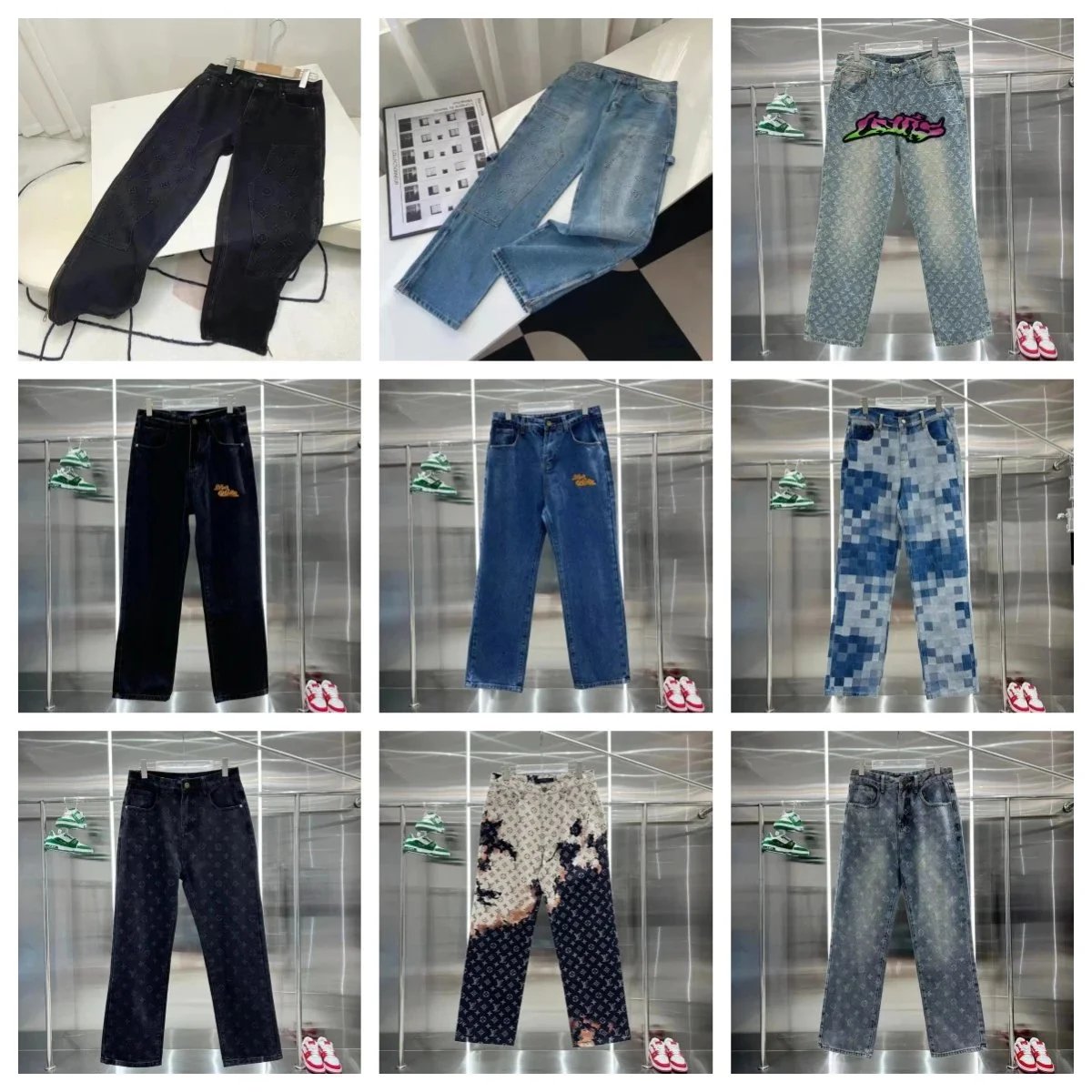
Pants Pants 001 | iTaoBuy spreadsheet | Wheebuy spreadsheet | Oopbuy spreadsheet - 141036

Sneakers 04 Classic Sneakers | LoongBuy spreadsheet | JoyaGoo spreadsheet | USFans spreadsheet - 135678

Sneakers P-0100 Unisex Sneakers | Kakobuy spreadsheet | BBDBuy spreadsheet | MyCNBox spreadsheet - 136114
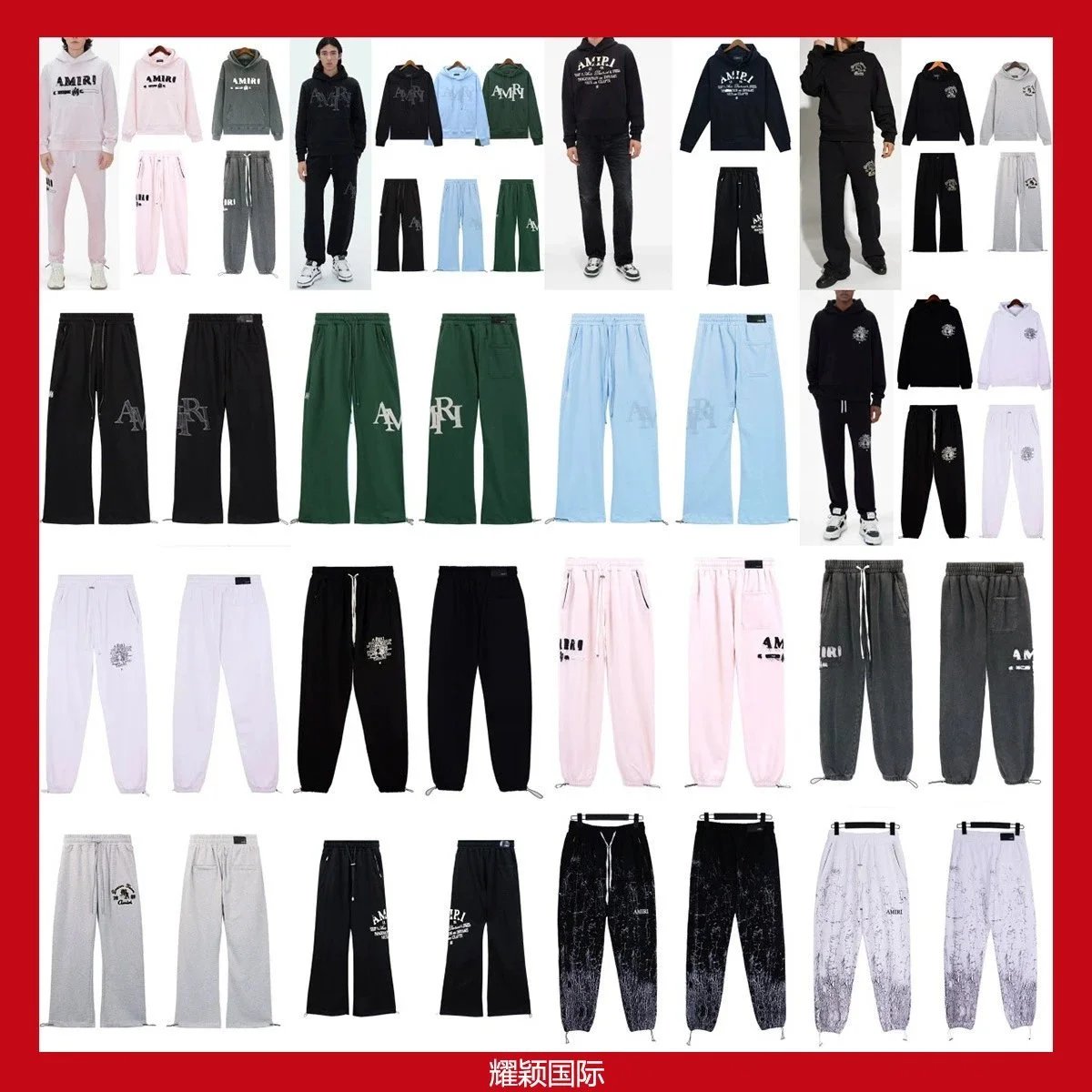
Graphic Hoodies and Sweatpants Collection LH25 Unisex | Oopbuy spreadsheet | Hipobuy spreadsheet - 140989

Sneakers 2025 Skate Sneakers | MyCNBox spreadsheet | iTaoBuy spreadsheet | USFans spreadsheet - 135965