Cafans Journal
Stories & FindsLovegobuy Spreadsheet Guide: A Complete CAFANS Shopping Walkthrough
Lovegobuy Spreadsheet Guide: A Complete CAFANS Shopping Walkthrough
If you have spent any time browsing agent shopping communities, you have likely run into the term CAFANS. In practice, CAFANS describes the curated spreadsheet ecosystem that shoppers use to discover, compare, and organize product finds before placing an order. The centerpiece of that ecosystem is the lovegobuy spreadsheet — a living directory of product links, QC references, and category notes that makes cross-border shopping far less chaotic. This guide explains how the spreadsheet works, how to use it alongside the standard lovegobuy guide and lovegobuy shopping guide, and how to turn lovegobuy product links into a reliable, repeatable purchasing routine.
What the Lovegobuy Spreadsheet Actually Is
At its core, a spreadsheet in this context is a structured table shared and updated by a community of shoppers. Each row typically represents a single item, while columns hold details such as product category, approximate weight, available sizes, seller information, price range, QC photo links, and notes on fit or quality. The lovegobuy spreadsheet follows this model and is often updated as new finds appear, dead links are removed, and categories are reorganized.
The appeal is simple: instead of scrolling endlessly through forums and social posts, you open one document and filter it. The spreadsheet guide approach saves time, reduces duplicate searching, and gives beginners a starting point that is already organized by category.
How to Read a Spreadsheet Entry
A well-maintained entry usually contains several layers of information. Here is what to look at, in order:
- Category tabs: Most sheets split items into tabs such as sneakers, hoodies, tees, bags, accessories, and outerwear. Use these tabs rather than scrolling the entire document.
- Product name and link: The lovegobuy product links point to the agent listing or marketplace page. Always confirm the link is still active before building a haul.
- Weight estimate: Weight matters for shipping cost. A spreadsheet guide that includes approximate grams per item is far more useful than one that omits it.
- QC references: Links to quality-check photos help you judge stitching, materials, and color accuracy before committing.
- Notes column: This is where experienced contributors flag sizing quirks, batch differences, or seller reliability.
Using the Spreadsheet With the Lovegobuy Guide
The spreadsheet does not replace the broader lovegobuy guide; it complements it. The general guide covers account setup, wallet top-ups, order consolidation, parcel insurance, and shipping line selection. The spreadsheet, by contrast, is about product discovery and comparison. A practical workflow looks like this:
- Read the lovegobuy shopping guide to understand fees, service options, and the parcel-building process.
- Open the spreadsheet and shortlist items by category and budget.
- Verify each lovegobuy product link and note the weight so you can estimate freight early.
- Check QC references and any seller notes before finalizing.
- Submit the order, request QC on arrival, and consolidate only after you approve the items.
This sequence prevents the most common beginner mistake — ordering first and checking details later.
Why Shoppers Rely on the Lovegobuy Spreadsheet Guide
The phrase lovegobuy spreadsheet guide is essentially shorthand for a set of habits: bookmark the tabs you use most, filter by category, cross-check links, and keep your own shortlist in a separate column. Because community sheets are edited frequently, it also helps to save a dated copy of the rows you plan to buy. That way, if an entry changes, you still have the original product details, weight, and price you were working from.
Good spreadsheet hygiene also means noting the date you last verified a link. Dead links are normal in any shared directory, so a quick check before ordering avoids wasted time.
Building a Sensible Haul
Spreadsheet shopping rewards planning. A balanced haul usually mixes lightweight essentials with a few higher-value pieces. For example, you might combine basic tees, socks, and accessories with one pair of sneakers and a hoodie. Use the weight estimates to project shipping costs, and remember that consolidation is most economical when items arrive at the warehouse within a similar window.
When comparing lovegobuy product links, look beyond price. Check return policies, available colorways, and whether sizing charts are provided. If a listing is vague about dimensions, check the notes column or look for QC references from other buyers.
Quality Control and Final Checks
The spreadsheet is a discovery tool, not a guarantee. Always request QC photos and inspect them carefully: check stitching density, logos, material texture, sole shape, and measurements. If something looks off, raise it before approving the item for international shipping. Cross-referencing several QC photos from different contributors is the most reliable way to judge consistency across batches.
Common Mistakes to Avoid
- Ordering from stale links without verifying availability.
- Ignoring weight estimates and being surprised by shipping fees.
- Skipping QC approval and consolidating too early.
- Assuming one batch represents every future batch of the same item.
- Treating spreadsheet prices as final without checking current listings.
Final Thoughts
The lovegobuy spreadsheet is at its best when paired with disciplined habits: verify links, read the notes, estimate weight, and request QC. Used alongside the general lovegobuy guide and the lovegobuy shopping guide, it turns a sprawling catalog into a manageable shortlist. Treat the spreadsheet guide as a starting map rather than a final answer, and your hauls will be more predictable, better organized, and easier to budget.
Editor's selection
Popular Products

Sneakers B22 B30 Unisex Classic Sneakers | UIDBuy spreadsheet | BBDBuy spreadsheet - 135717

Outdoor Casual Sneakers | Hipobuy spreadsheet | OOTDBuy spreadsheet | JoyaGoo spreadsheet - 141223

Sneakers 04 Classic Sneakers | LoongBuy spreadsheet | JoyaGoo spreadsheet | USFans spreadsheet - 135678

Sneakers P-0100 Unisex Sneakers | Kakobuy spreadsheet | BBDBuy spreadsheet | MyCNBox spreadsheet - 136114
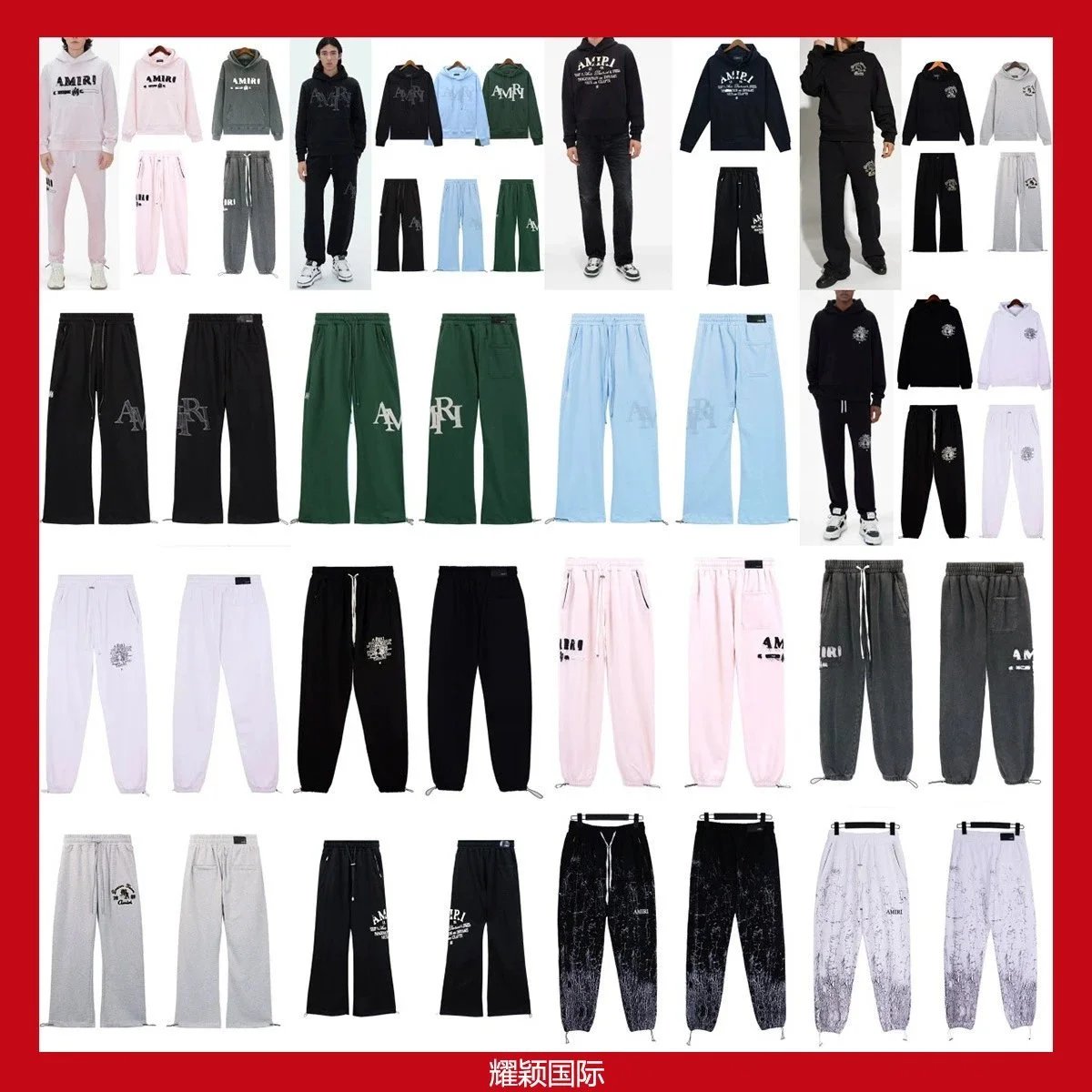
Graphic Hoodies and Sweatpants Collection LH25 Unisex | Oopbuy spreadsheet | Hipobuy spreadsheet - 140989

Sneakers 2025 Skate Sneakers | MyCNBox spreadsheet | iTaoBuy spreadsheet | USFans spreadsheet - 135965
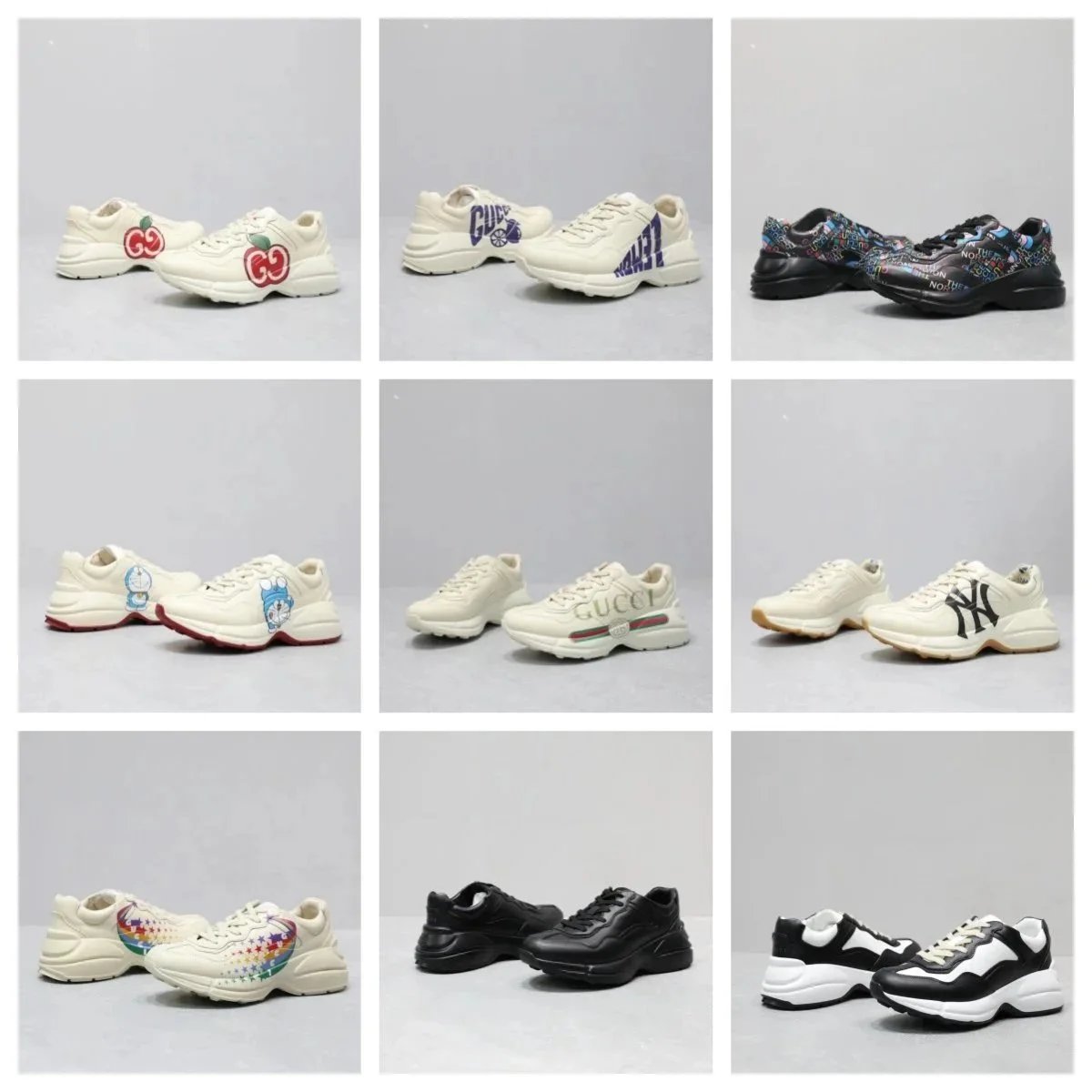
Sneakers BY03-CY Unisex Chunky Sneakers | Wheebuy spreadsheet | Lovegobuy spreadsheet - 141219