Cafans Journal
Stories & FindsThe English CAFANS Guide to Parcel Up: A Complete Shopping Walkthrough
What Is Parcel Up and Why English CAFANS Shoppers Use It
If you are part of the English CAFANS community and want to buy from Chinese marketplaces without juggling dozens of browser tabs, Parcel Up is the tool worth learning first. Parcel Up is a shopping agent and parcel consolidation service that lets you collect product links from platforms like Taobao, Weidian, 1688 and Tmall, place them in one order flow, and ship everything together to your address. This Parcel Up guide walks you through the full process, from building a Parcel Up spreadsheet to checking Parcel Up product links before checkout.
Step 1: Plan Your Haul with a Parcel Up Spreadsheet
Experienced buyers never start ordering without a plan. A Parcel Up spreadsheet is simply a personal tracking sheet where you list every item you want: product name, seller, size, color, price, weight estimate and the original link. Because Parcel Up works best when items are consolidated, a spreadsheet helps you group categories such as hoodies, sneakers, phone cases, bags, socks, watches and home storage so you can see the total weight and cost before committing.
Use columns for: item ID, platform (Taobao, Weidian, 1688), seller rating, QC notes, declared value and shipping preference. Add a running total in yuan and your local currency. This habit alone prevents duplicate orders, forgotten coupons and surprise volumetric weight charges. Many users keep one spreadsheet per season or per haul, and some share templates inside the CAFANS community.
Step 2: Finding and Vetting Parcel Up Product Links
The quality of your haul depends on the quality of your links. When you collect Parcel Up product links, always open the original listing first and check the seller's rating, return policy and real customer photos. Look at the size chart, material description and dispatch time. Avoid listings with vague titles, missing measurements or stock photos only.
Save each link in your spreadsheet next to a short note, for example "oversized fleece hoodie, size L, 320g" or "wireless earbuds case, 45g". Weight estimates matter because Parcel Up charges shipping by actual or volumetric weight, whichever is greater. For bulky items like shoes, jackets, backpacks, bedding and kitchen organizers, confirm package dimensions with the seller or ask the agent.
Step 3: Using the Parcel Up Shopping Guide at Checkout
This Parcel Up shopping guide section covers the practical checkout flow. After pasting your links into Parcel Up, the service creates an order for each seller. You pay the item price plus a small service fee. The agent purchases the goods, receives them at the warehouse, and inspects them. You then review warehouse photos and quality-control (QC) images before approving international shipping.
Key checks at this stage:
- QC photos: confirm color, size tag, stitching and accessories.
- Weight and dimensions: compare with your spreadsheet estimate.
- Storage time: free warehouse storage is limited, so plan consolidation.
- Shipping line: compare economy, standard and express options, plus customs thresholds.
- Insurance and packaging: add reinforcement for fragile goods like ceramics, glassware, electronics and cosmetics.
Once everything arrives, request consolidation. Parcel Up removes excess shoeboxes and outer packaging on request, which lowers volumetric weight. Then pay the international freight and track the parcel.
Step 4: Understanding Costs and Avoiding Common Mistakes
New buyers often underestimate the total landed cost. A simple formula: item price + domestic shipping to warehouse + service fee + international freight + possible customs duty + optional insurance. Spreadsheets make this transparent. Common mistakes include ordering from low-rated sellers, ignoring dispatch delays before holidays, mixing restricted items with sensitive shipping lines, and forgetting that battery products and liquids may need special routes.
Another frequent issue is size. Asian sizing runs smaller for clothing, shoes and gloves, so always measure and compare with the seller's chart rather than assuming your usual size. For electronics and appliances, check voltage and plug type. For cosmetics and supplements, confirm expiration dates and shipping restrictions.
Step 5: Building a Repeatable Workflow
The best Parcel Up users treat each haul as a small project. Keep your spreadsheet updated, archive old links, note which sellers delivered good quality, and record real weights so future estimates improve. Review your QC photos carefully, approve only what matches the listing, and consolidate similar categories to save space. Over time you will know which shipping lines are reliable for your country and which product categories are worth the freight.
In short, Parcel Up rewards preparation. A clean Parcel Up spreadsheet, verified Parcel Up product links, a clear Parcel Up guide and a disciplined Parcel Up shopping guide routine turn a chaotic shopping spree into a predictable, cost-effective haul. Start small, test one order, measure the real costs, and scale up once your workflow is proven.
Editor's selection
Popular Products

Skate Shoes SQ-002 | LoongBuy spreadsheet | Superbuy spreadsheet | Sugargoo spreadsheet - 141122
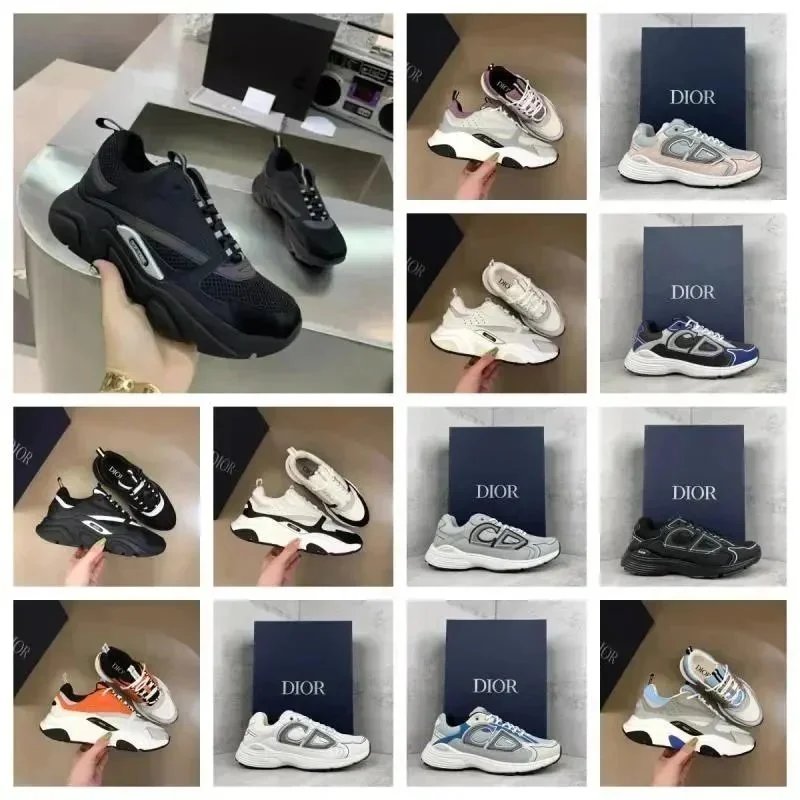
Sneakers B22 B30 Unisex Classic Sneakers | UIDBuy spreadsheet | BBDBuy spreadsheet - 135717

Outdoor Casual Sneakers | Hipobuy spreadsheet | OOTDBuy spreadsheet | JoyaGoo spreadsheet - 141223

Casual Shoes | Oopbuy spreadsheet | MyCNBox spreadsheet | Sugargoo spreadsheet - 135681

Sneakers 04 Classic Sneakers | LoongBuy spreadsheet | JoyaGoo spreadsheet | USFans spreadsheet - 135678

Shoes Ph076 Breathable Running Shoes | CSSBuy spreadsheet | LoongBuy spreadsheet - 136150

Platform Casual Shoes | Hubbuycn spreadsheet | Fansbuy spreadsheet - 135441
