Cafans Journal
Stories & FindsRizzitgo CAFANS Guide: The Complete English Shopping Reference
What Is Rizzitgo and Why the CAFANS Guide Matters
Rizzitgo has become a familiar name for shoppers who want a structured, easy-to-follow way to browse and buy online. The CAFANS approach — Compare, Assess, Filter, Assemble, Navigate, and Select — is the framework this guide uses to turn a chaotic shopping session into a calm, repeatable routine. Whether you are buying your first item or refining a long-term buying habit, this Rizzitgo guide gives you a clear path from discovery to checkout.
The heart of the method is the Rizzitgo spreadsheet. Instead of juggling browser tabs, wish lists, and screenshots, you log every candidate product in one place. A well-built Rizzitgo spreadsheet records the item name, category, price, shipping cost, estimated delivery window, seller rating, and any notes about sizing or compatibility. Once the sheet is set up, the Rizzitgo shopping guide below explains how to use each CAFANS stage effectively.
Stage 1: Compare
Start wide. Use the Rizzitgo product links you have collected from search results, recommendations, and saved pages. Add each candidate as a new row in your Rizzitgo spreadsheet. Compare at least three options per category so you can see how price, specifications, and seller reliability differ. This is also the moment to note the product category — for example, phone accessories, kitchen tools, or home storage — because grouping rows by category makes later filtering much easier.
During comparison, resist the urge to pick the cheapest item immediately. Cheap is a data point, not a decision. Look for patterns: which sellers include shipping in the price, which listings show clear photos, and which products have detailed descriptions. The Rizzitgo guide encourages you to treat comparison as research rather than shopping, which keeps impulse buying in check.
Stage 2: Assess
Assessment is where the Rizzitgo shopping guide shifts from quantity to quality. Review each row and ask three questions: Does the seller have a consistent track record? Does the product description answer your practical questions? What is the realistic total cost after shipping and any fees? Mark each row with a simple score of high, medium, or low priority.
Use colour coding in the Rizzitgo spreadsheet: green for strong candidates, yellow for uncertain options, and grey for items you are ready to drop. This visual system makes the sheet self-explanatory, even if you return to it a week later. Assessment is also the right time to check return policies and warranty terms, because those details are far easier to verify before payment than after.
Stage 3: Filter
Now narrow the list. Filter out anything that fails your baseline: unclear seller history, missing size or compatibility information, or prices that do not match your budget. The Rizzitgo product links you keep should belong only to rows that survived assessment. A clean spreadsheet with eight to twelve strong candidates is far more useful than a crowded sheet of forty unknowns.
Filtering also means removing duplicates. Many listings for the same item appear under different titles, so check model numbers and photos carefully. If two rows are essentially identical, merge the notes and delete one. This small habit keeps the Rizzitgo spreadsheet trustworthy and fast to scan.
Stage 4: Assemble
Assembling means planning the purchase as a whole rather than item by item. Are you buying several related products — cables for a device, containers for a kitchen, organisers for a wardrobe? Group them in the Rizzitgo spreadsheet and check whether buying from one seller reduces shipping. The Rizzitgo shopping guide treats assembly as logistics: you are building a sensible basket, not chasing every possible deal.
During assembly, note bundle opportunities and quantity limits. If a seller offers a discount for multiple units, record the threshold in a dedicated column. If an item is frequently out of stock, mark it so you know to act early. Assembly is where a good plan starts saving real money.
Stage 5: Navigate
Navigation covers the checkout journey itself. Follow your Rizzitgo product links directly to each listing rather than searching again, which avoids landing on look-alike pages. Confirm the selected variant — size, colour, model — matches what your spreadsheet says. Review the cart one final time for accidental duplicates or stale prices.
Keep a checkout log inside the Rizzitgo spreadsheet: date, order number, expected delivery, and payment method. This log becomes your reference point for tracking and returns, and it prevents the familiar confusion of not remembering which order contained which item.
Stage 6: Select
Selection is the final commitment. Buy the green rows, defer the yellow ones until you have more information, and archive the grey ones with a brief note explaining why they were rejected. Over time, these notes make the Rizzitgo guide increasingly personal: you learn which categories you research well and which ones tempt you into rushed decisions.
After delivery, update the spreadsheet with actual outcomes — delivery time, product quality, whether the seller resolved any issue. This feedback loop is the most underrated part of the CAFANS method. A Rizzitgo spreadsheet that records real results becomes a buying history you can trust, and future comparisons become faster and sharper.
Practical Tips for a Better Rizzitgo Spreadsheet
Keep column names short and consistent. Add a category column early, because sorting by category is the fastest way to spot gaps and duplicates. Use a single notes column rather than scattering remarks across the sheet. Set a review reminder so you revisit deferred rows rather than forgetting them. And back up the sheet — a shopping plan is only useful if it survives.
Finally, remember that the CAFANS framework is a tool, not a rulebook. If a purchase is simple and low-risk, skip straight to selection. The Rizzitgo guide is most valuable when decisions are complex, prices are high, or you are buying several related items at once. Used that way, Rizzitgo becomes less about shopping and more about making confident, well-documented choices.
Editor's selection
Popular Products
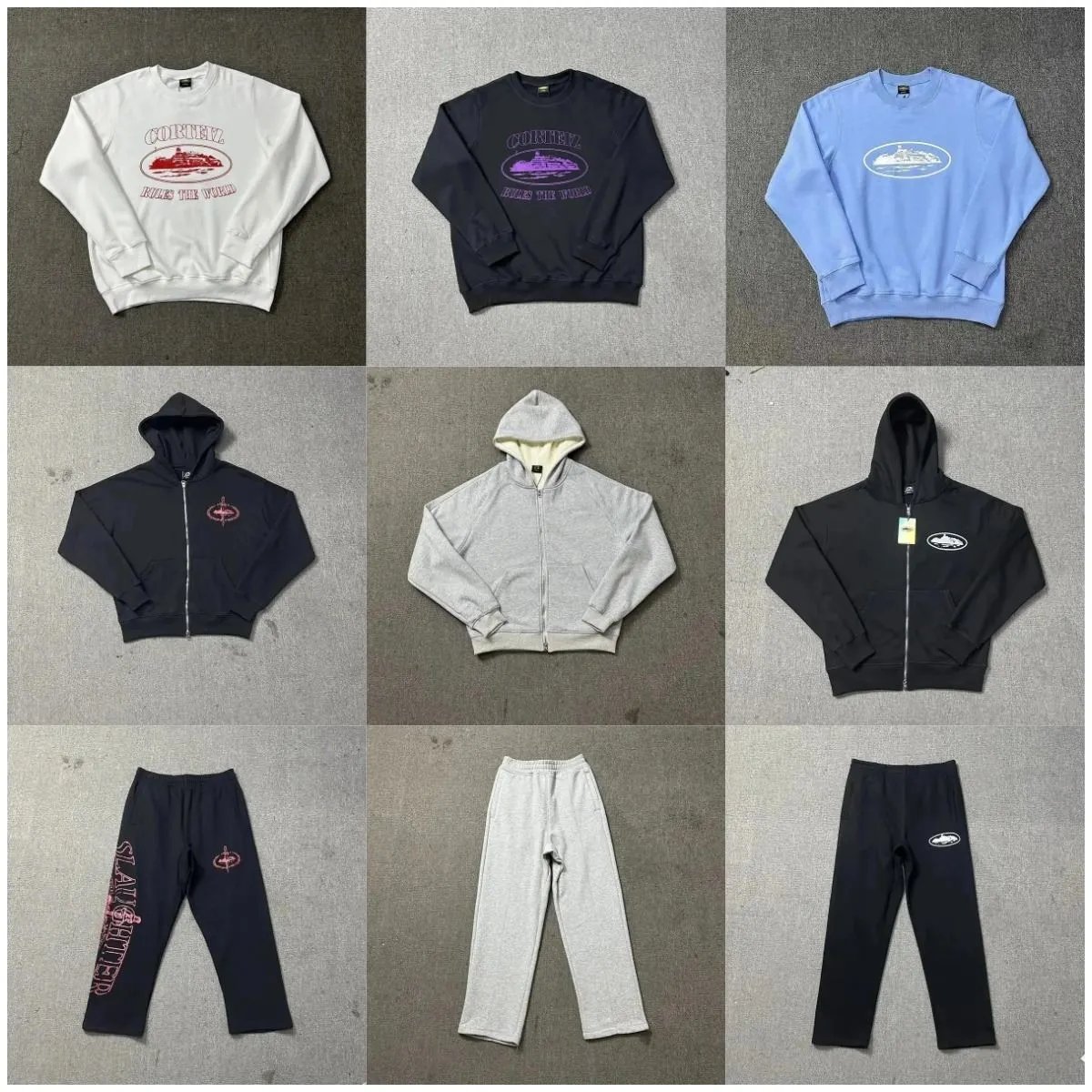
SRSW Sweatshirt and Pants Set | Fansbuy spreadsheet | Litbuy spreadsheet - 146440
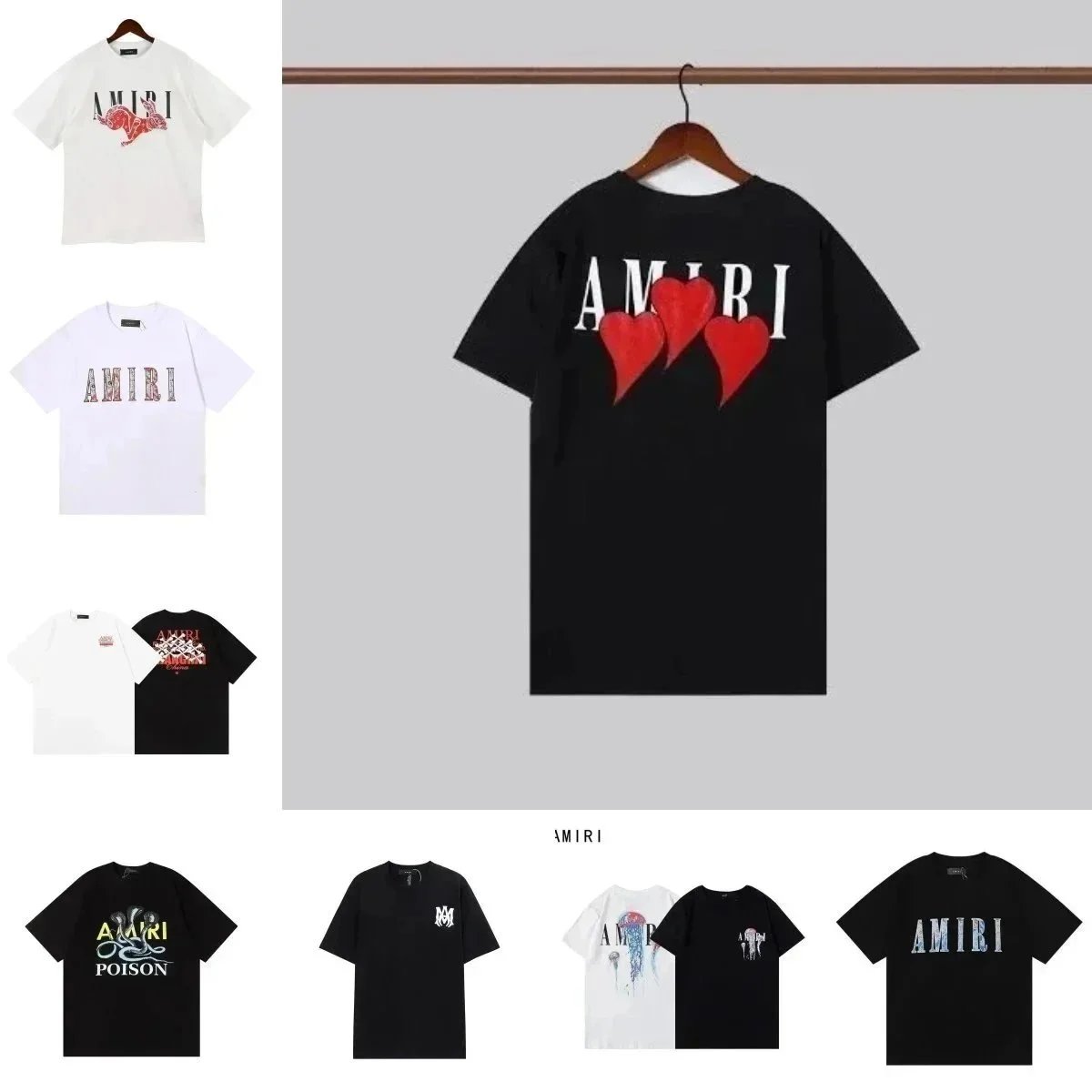
Casual T-Shirts 56 - Clothing - 160714

Graphic T-Shirt - Clothing - 172945
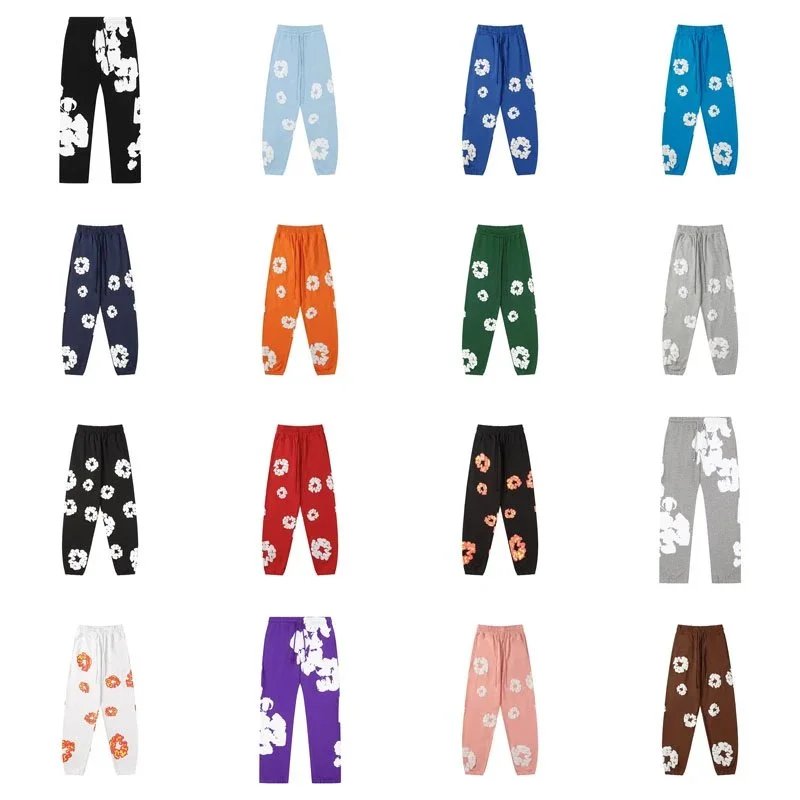
De*nim Te*ars Pants - Clothing - 165754
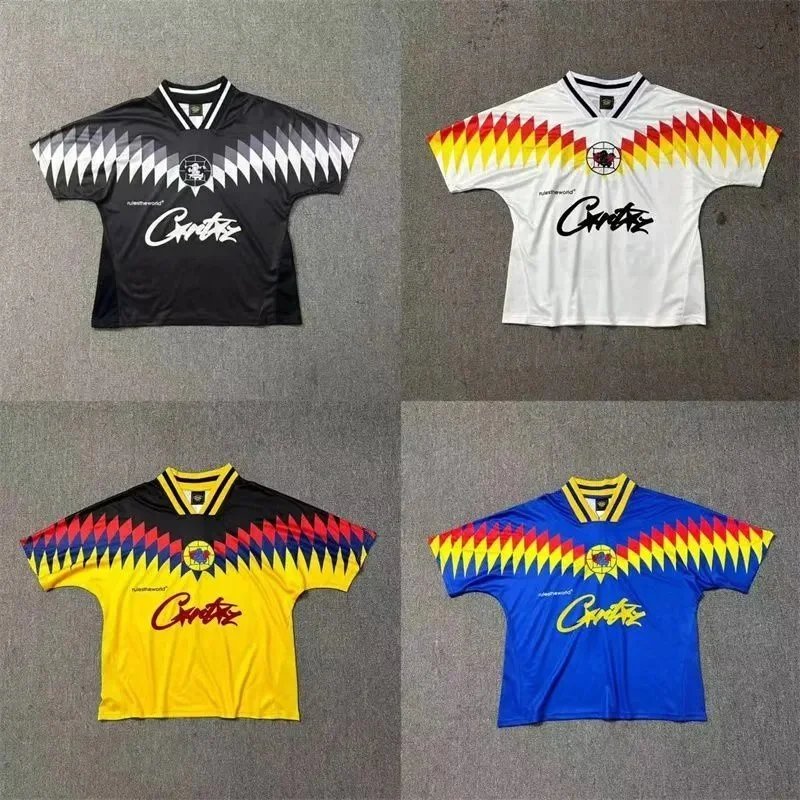
FA Sports Jersey - Clothing - 160288
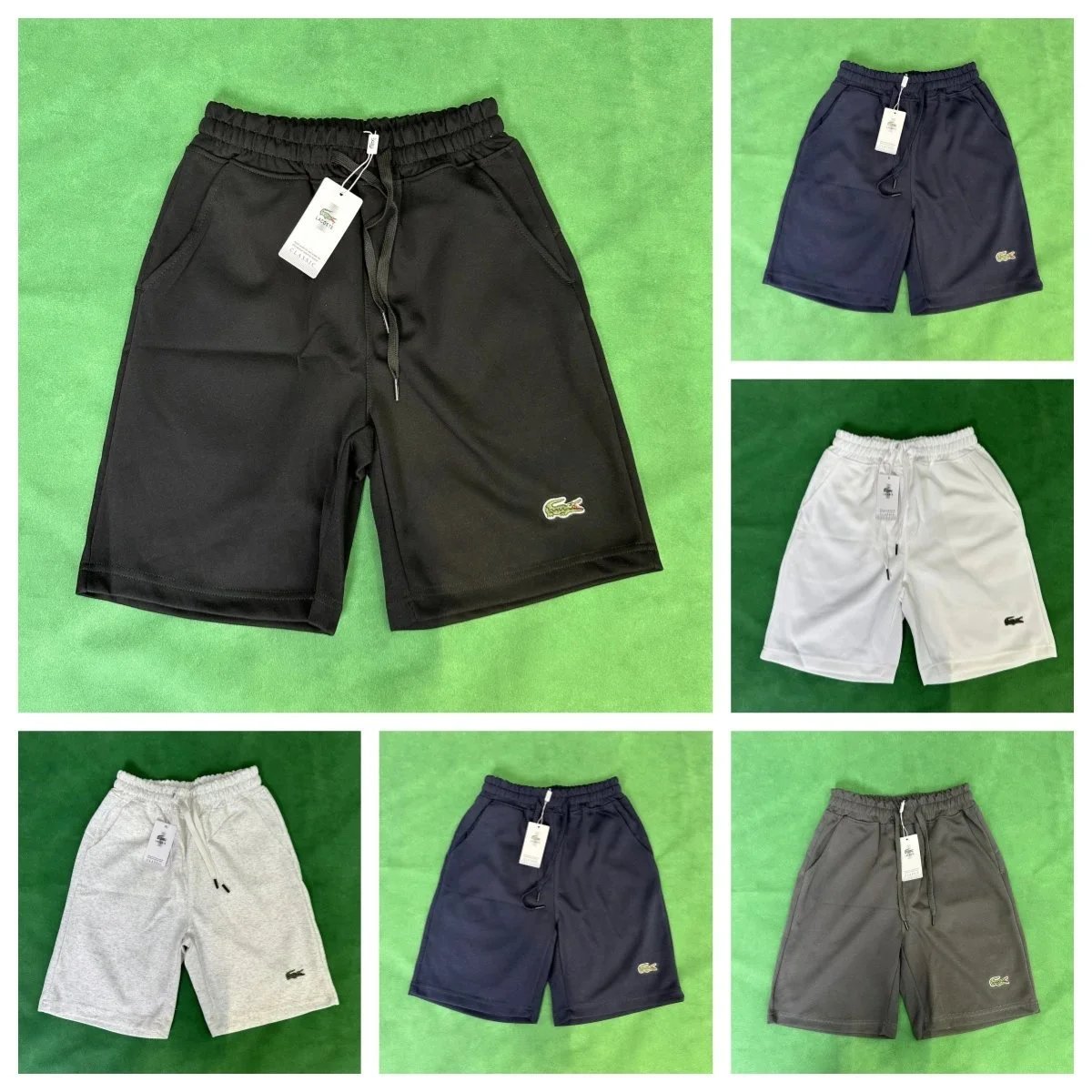
Lacste SHORTS - Clothing - 166085
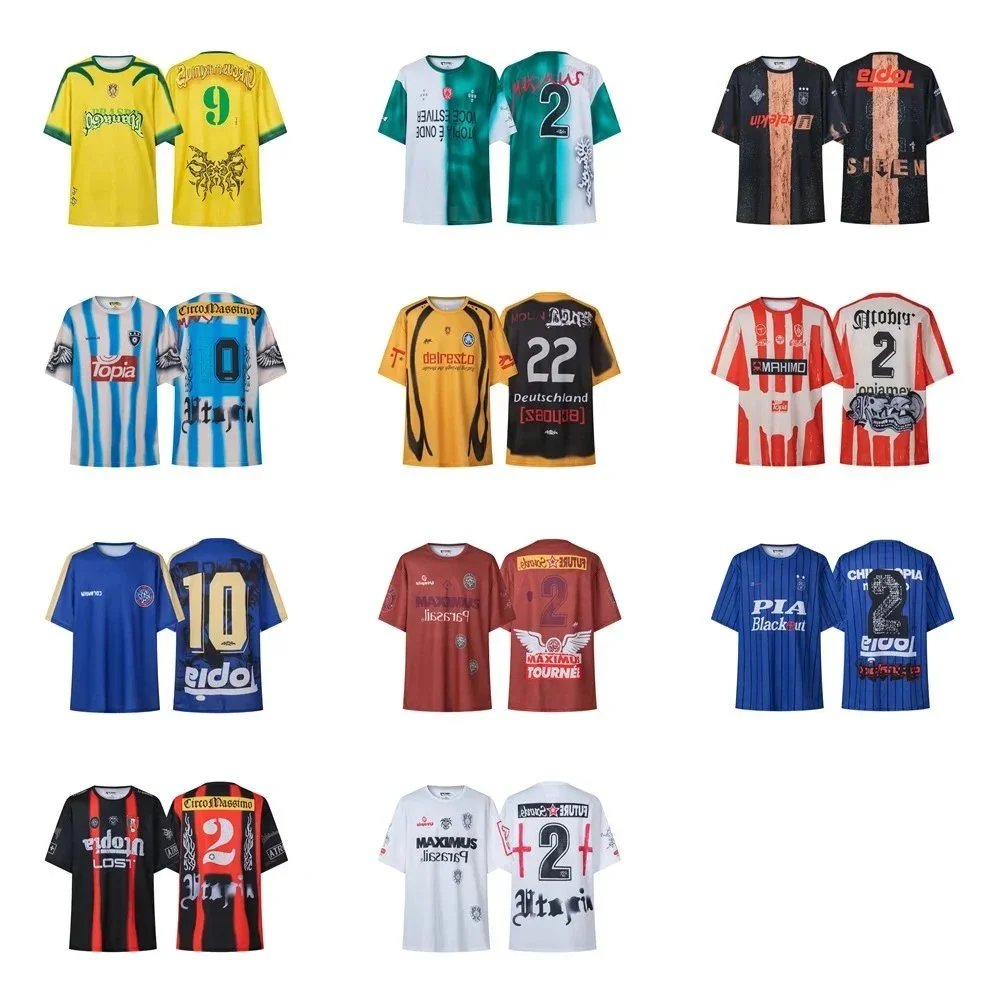
Men's Loose Short Sleeve Mesh Football Jersey | USFans spreadsheet | Kakobuy spreadsheet - 140110