Cafans Journal
Stories & FindsCAFANS Shopping Guide: Mastering the Kakobuy Spreadsheet for Smarter Hauls
CAFANS Shopping Guide: Mastering the Kakobuy Spreadsheet for Smarter Hauls
If you have spent any time in online shopping communities, you have probably heard about kakobuyspreadsheet resources. These shared spreadsheets have become a staple for shoppers who want to browse curated product listings without digging through countless pages. In this CAFANS shopping guide, we walk you through how the kakobuy spreadsheet works, why a kakobuy guide is useful, and how to make the most of kakobuy product links. Whether you are a first-time buyer or a seasoned hauler, this kakobuy shopping guide will help you plan a smoother, more organized purchase.
What Is the Kakobuy Spreadsheet?
At its core, a kakobuy spreadsheet is a community-maintained document that collects product links, descriptions, prices, and sometimes size charts or quality notes. Instead of searching store by store, you open the sheet and browse categories in one place. The kakobuyspreadsheet format is popular because it saves time, keeps links organized, and often includes seller ratings or review snippets from other buyers.
Most sheets are built around tabs. You might see tabs for sneakers, hoodies, accessories, or home goods. Each row typically holds a product image, a short title, a price range, and a direct link. Because the sheet is shared, it is updated regularly, which means you can often find fresh finds alongside older staples.
Why Use a Kakobuy Guide?
A good kakobuy guide explains how to read the sheet, verify links, and avoid common mistakes. Without guidance, newcomers may struggle to understand columns like "batch," "weight," or "agent notes." The guide helps you interpret these fields so you can compare options fairly.
The kakobuy spreadsheet is not a store itself; it is a navigation tool. Product links usually point to listings on shopping platforms, and you then use an agent or forwarding service to complete the order. Understanding this flow is essential. The guide should clarify that prices in the sheet are estimates, shipping is calculated separately, and availability can change quickly.
How to Read Kakobuy Product Links
Kakobuy product links are the backbone of the spreadsheet. Each link opens a product page where you can check details, colorways, and sizing. When reviewing links, look for:
- Seller reputation: Check reviews and ratings before committing.
- Size charts: Measurements vary, so compare carefully.
- Material notes: Descriptions may mention fabric, weight, or construction.
- Price history: Some sheets note whether a price recently changed.
Always open links in a fresh tab and confirm the item matches the sheet description. Community sheets are helpful, but they are not infallible. A quick cross-check prevents disappointment.
Building a Shopping Plan
The best kakobuy shopping guide advice is to plan before you buy. Start by creating a budget and a wishlist. Browse the kakobuyspreadsheet and mark items that fit your needs. Group purchases by category or warehouse to reduce shipping complications. If you are buying clothing, note the size conversions and measure yourself beforehand.
Keep a simple tracker with columns for item name, link, price, size, and status. This is especially useful when a sheet contains dozens of kakobuy product links. A tracker helps you avoid duplicate orders and makes it easier to compare agent fees.
Common Terms You Will See
Spreadsheets often use shorthand. You may encounter terms like "batch," "QC," "agent," "haul," "weight," "domestic shipping," "international shipping," "consolidation," "declare," "customs," "review," "find," "link," "sheet," "tab," "category," "seller," "store," "size chart," "colorway," "restock," "preorder," "in stock," "out of stock," "coupon," "discount," "service fee," "rehearsal," "packing," "parcel," "tracking," "warehouse," and "return policy." Learning these terms makes the kakobuy guide much easier to follow.
Quality Control and Reviews
Many sheets include QC notes or photo links from previous buyers. These are valuable because they show real items rather than studio images. When a sheet lists a product as "QC passed" or includes user photos, treat that as a helpful signal, not a guarantee. Always request additional photos from your agent if you are unsure.
Reviews also help you judge sizing and material quality. If several buyers mention that a hoodie runs small, size up. If a seller has a history of delays, consider alternatives. The kakobuy spreadsheet often aggregates this feedback, but verifying it yourself is still wise.
Avoiding Common Pitfalls
New shoppers sometimes assume the sheet price is the final price. In reality, you must add domestic shipping, service fees, international shipping, and possible customs duties. A kakobuy shopping guide should always remind you to calculate the landed cost before checkout.
Another pitfall is impulse buying. Because the sheet is so easy to browse, it is tempting to add many items. Stick to your wishlist and review your cart before paying. Also, check return policies; some items cannot be returned once shipped internationally.
Organizing Your Haul
Once your items arrive at the warehouse, consolidation can save money. Ask your agent to combine parcels and remove unnecessary packaging. Keep an eye on weight estimates, since shipping costs scale with volume and mass. If you are unsure, request a rehearsal packing to see the final weight before committing.
Document everything: order numbers, tracking, and agent communications. This record is invaluable if a parcel is delayed or an item arrives damaged.
Final Tips for Using the Kakobuy Spreadsheet
Bookmark reliable sheets, follow community updates, and treat links as starting points rather than final answers. Use the kakobuy guide to learn the workflow, and rely on kakobuy product links to verify details. With a clear budget, a simple tracker, and a bit of patience, the kakobuyspreadsheet becomes a powerful planning tool. Happy shopping, and may your haul arrive safely and on time.
Editor's selection
Popular Products

Outdoor Casual Sneakers | Hipobuy spreadsheet | OOTDBuy spreadsheet | JoyaGoo spreadsheet - 141223
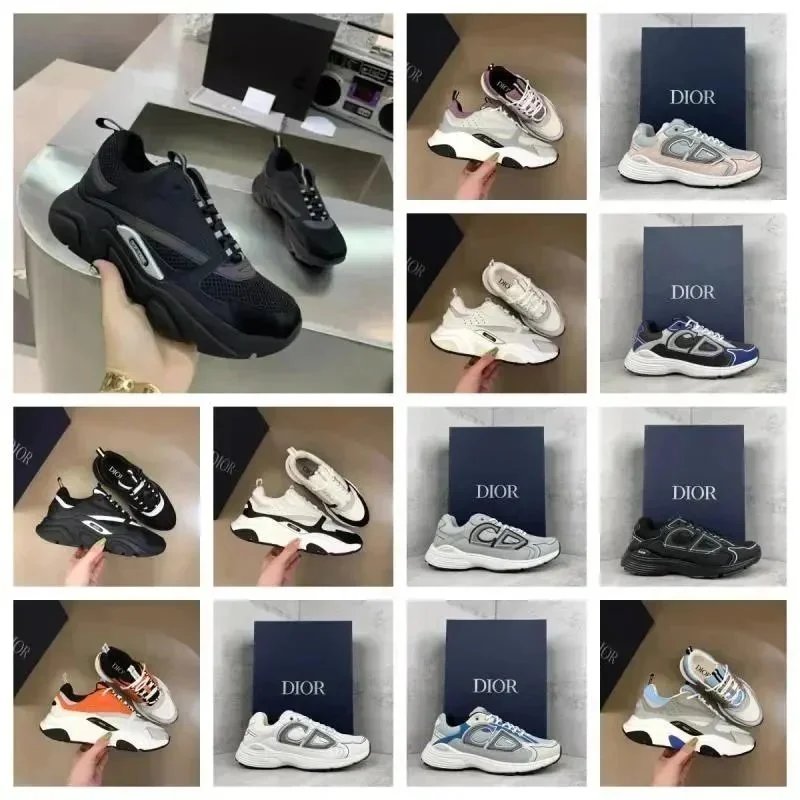
Sneakers B22 B30 Unisex Classic Sneakers | UIDBuy spreadsheet | BBDBuy spreadsheet - 135717

Sneakers 04 Classic Sneakers | LoongBuy spreadsheet | JoyaGoo spreadsheet | USFans spreadsheet - 135678
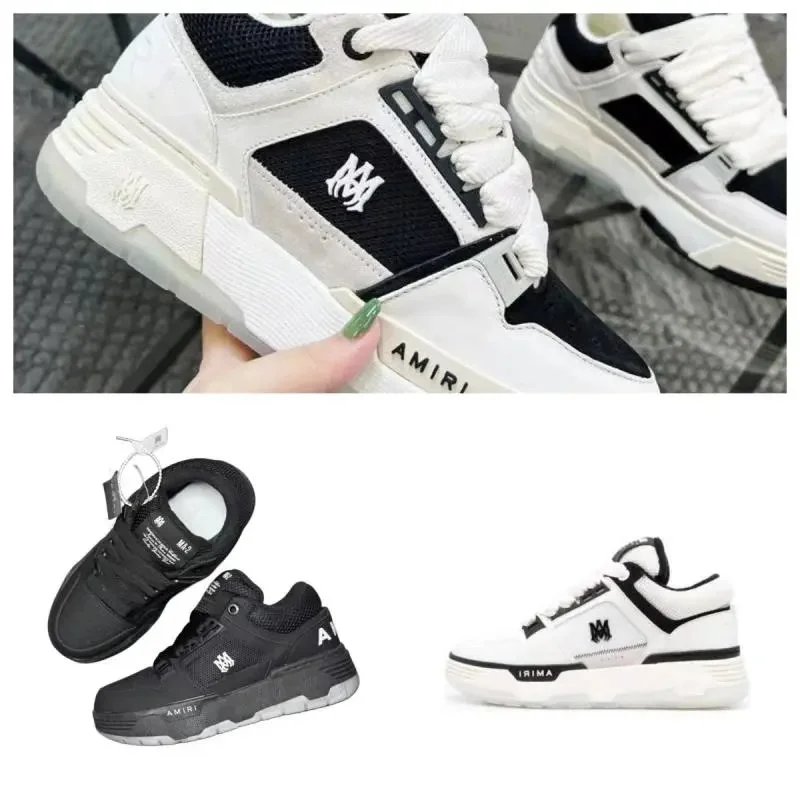
Sneakers P-0100 Unisex Sneakers | Kakobuy spreadsheet | BBDBuy spreadsheet | MyCNBox spreadsheet - 136114
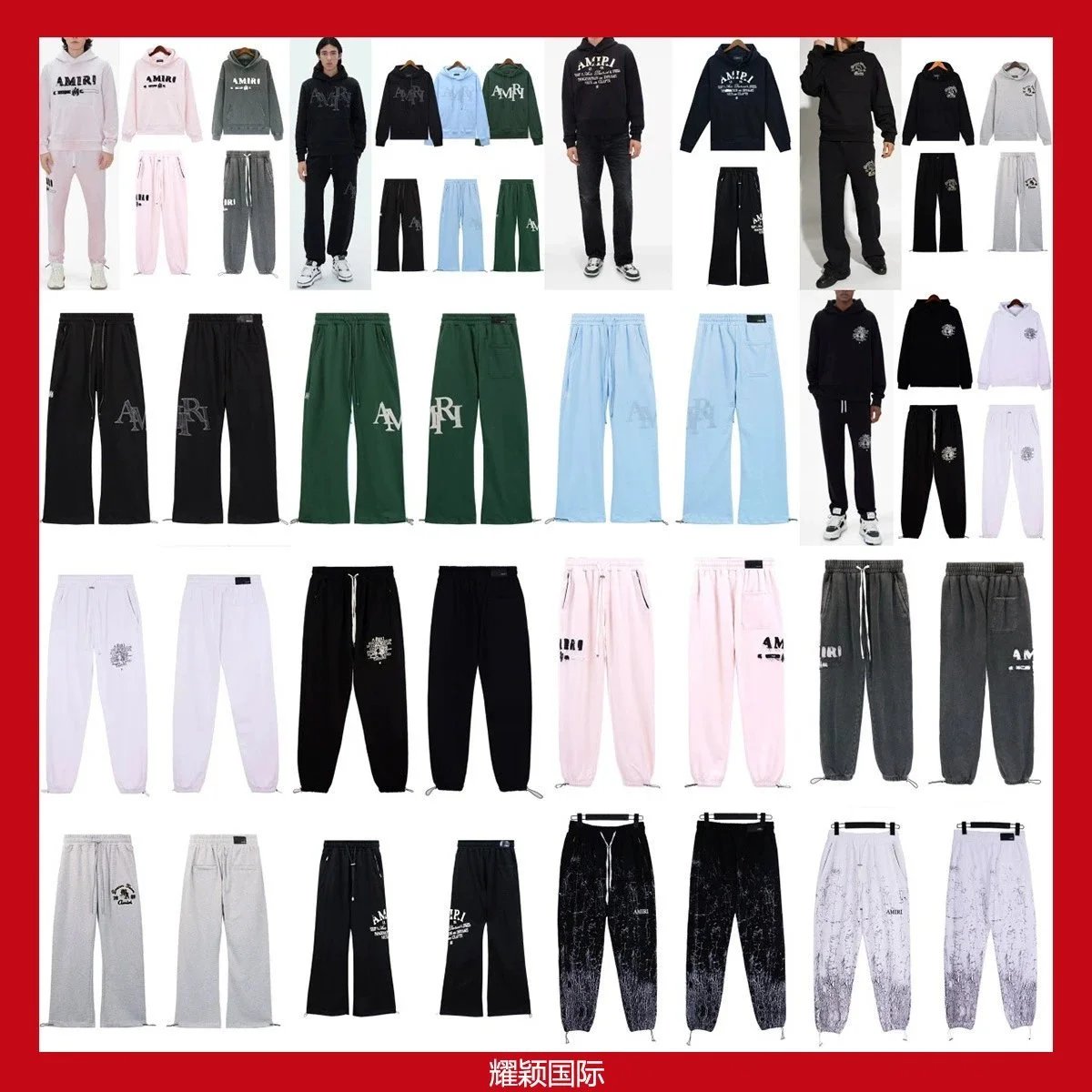
Graphic Hoodies and Sweatpants Collection LH25 Unisex | Oopbuy spreadsheet | Hipobuy spreadsheet - 140989

Sneakers 2025 Skate Sneakers | MyCNBox spreadsheet | iTaoBuy spreadsheet | USFans spreadsheet - 135965
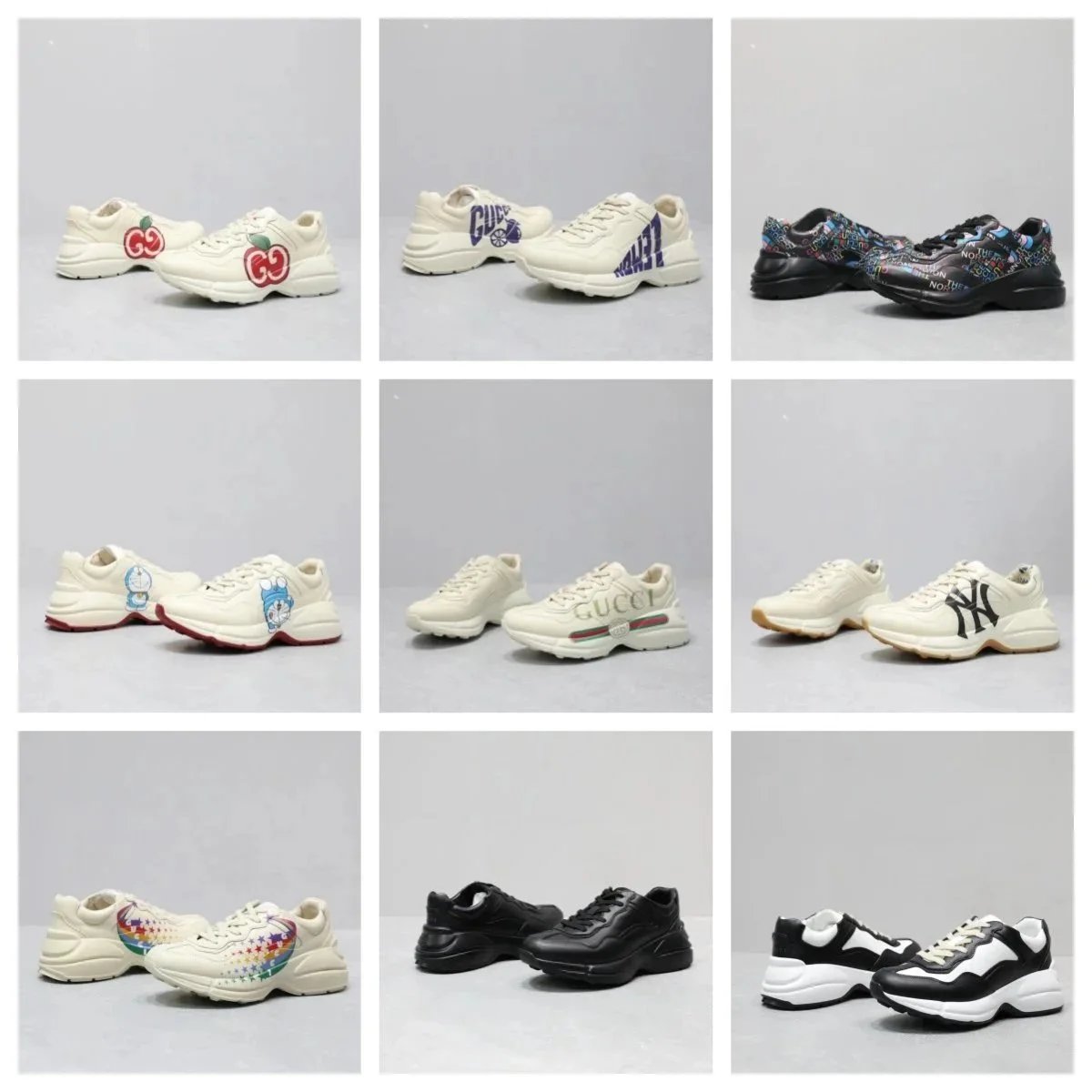
Sneakers BY03-CY Unisex Chunky Sneakers | Wheebuy spreadsheet | Lovegobuy spreadsheet - 141219