Cafans Journal
Stories & FindsEnglish CAFANS Guide: A 1,000-Word Introduction to GTBuy for New Shoppers
English CAFANS Guide: Your GTBuy Starter Handbook
If you have been browsing online communities and keep seeing the term CAFANS next to mentions of GTBuy, this guide is for you. CAFANS is best understood as an umbrella label used by international shoppers to describe the ecosystem of curated shopping agents and product-discovery platforms. Within that ecosystem, GTBuy has become one of the most discussed names. This 1,000-word English guide explains what GTBuy is, how the platform works, what a GTBuy spreadsheet contains, and how to use a GTBuy guide and GTBuy product links responsibly. It also walks through a practical GTBuy shopping guide, from account setup to parcel inspection. By the end, you should understand the basic vocabulary, the workflow, and the common pitfalls.
What Is GTBuy?
GTBuy is a shopping agent and consolidation service. Instead of buying directly from overseas marketplaces, you submit a product link, and the agent purchases the item on your behalf. The item is shipped to a warehouse, inspected, stored, and later consolidated with other purchases into a single international parcel. For shoppers outside the item's home market, this solves three problems: language barriers, payment restrictions, and expensive one-off shipping. GTBuy coordinates each step, but you remain responsible for choosing products, checking sizing, and confirming shipping details.
What Is a GTBuy Spreadsheet?
A GTBuy spreadsheet is a community-maintained list of product links, usually organized by category, price, seller rating, and sometimes weight. Spreadsheets are popular because they save time, but they are not official catalogs. Treat every entry as a lead, not a guarantee. Verify the seller, read recent buyer photos, check the size chart, and compare the listed weight with the agent's estimated weight. A spreadsheet can point you toward reliable items, but it cannot replace your own due diligence. Because spreadsheets are often updated by volunteers, links may expire or products may change between batches.
How to Read a GTBuy Guide
A good GTBuy guide should explain the full purchase flow rather than just listing items. Look for sections on account registration, warehouse address, order submission, quality inspection, consolidation, and after-sales policy. Be cautious with guides that promise guaranteed quality or unrealistically low shipping costs. Reliable guides disclose fees clearly, explain volumetric weight, and warn about customs duties. They also distinguish between domestic shipping time and international transit time, since both affect your total wait.
Using GTBuy Product Links
GTBuy product links are the starting point of every order. When you paste a link into the agent's order form, confirm the variant, color, size, and quantity before paying. If the listing has multiple options, add a note to the order describing exactly what you want. Screenshot the listing in case the seller changes it later. For fragile goods, request extra packaging. For electronics, ask about plug type and voltage. For apparel, measure yourself and compare with the seller's size chart instead of relying on the tag alone.
A Practical GTBuy Shopping Guide
Here is a step-by-step GTBuy shopping guide for first-time buyers:
- Create an account and complete any identity verification the platform requires.
- Copy your warehouse address exactly as shown, including any recipient code.
- Submit product links one by one, confirming variant and quantity.
- Pay for the items and wait for the seller to ship domestically.
- Review inspection photos when the item reaches the warehouse.
- Request a return or exchange immediately if something is wrong.
- Choose consolidation and select a shipping line that matches your budget and timeline.
- Declare the parcel honestly and pay international shipping.
- Track the parcel and inspect everything on arrival.
Allow extra time during peak seasons and public holidays. Keep records of every order number, payment receipt, and chat message. If a seller ships slowly, ask the agent to follow up before the automatic确认 period ends.
Fees, Shipping, and Customs
Agent fees are usually a small percentage of the item price, sometimes with a minimum charge. Domestic shipping is paid to the seller, while international shipping is calculated by actual or volumetric weight, whichever is greater. Consolidation saves money only when items pack efficiently; oversized boxes can cost more than expected. Customs rules vary by country. Understand your duty-free threshold, prohibited items, and declaration requirements before shipping. Under-declaring to save money is risky and can lead to seizure or fines.
Quality Control and After-Sales
Inspection is your main safety net. Ask for detailed photos of seams, labels, serial numbers, and packaging. If an item arrives damaged at the warehouse, request a return while the window is open. Once an item is shipped internationally, returns become difficult. For expensive purchases, consider insurance. Read the agent's after-sales policy carefully, and keep communication polite but specific.
Common Mistakes to Avoid
New shoppers often buy from unverified sellers, ignore weight estimates, skip inspection photos, and forget about customs limits. Others order the wrong variant because they did not read the option list. A few trust spreadsheets blindly and end up with low-quality goods. Slow down, verify each step, and budget for shipping before checkout.
Final Thoughts
GTBuy can be a practical route to products that are hard to buy directly, but it rewards careful shoppers. Use the spreadsheet as inspiration, read a current guide, verify product links, and follow the shopping guide step by step. With realistic expectations about fees, timelines, and customs, the CAFANS-style agent shopping experience becomes far less intimidating and far more predictable.
Editor's selection
Popular Products

Shoes Ph076 Breathable Running Shoes | CSSBuy spreadsheet | LoongBuy spreadsheet - 136150

Men's Casual Shoes | CSSBuy spreadsheet | Kakobuy spreadsheet | Rizzitgo spreadsheet - 135435

Casual Shoes | Kakobuy spreadsheet | Hubbuycn spreadsheet | CNShopper spreadsheet - 136046
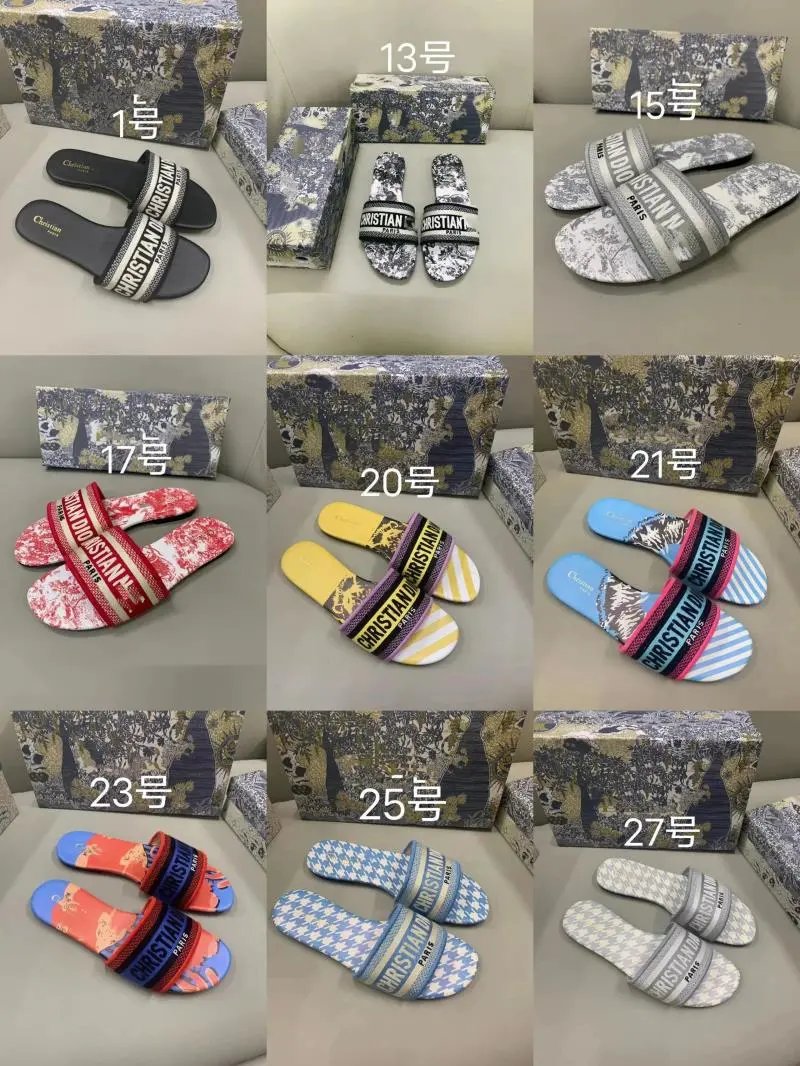
DS Slippers | Wheebuy spreadsheet | LoongBuy spreadsheet | Lovegobuy spreadsheet - 135724

Accessories | UIDBuy spreadsheet | Fishgoo spreadsheet | Oopbuy spreadsheet - 140922

Catalog Item TF25 Digital Electronics | UIDBuy spreadsheet | Fishgoo spreadsheet - 141140

Catalog Item LL55 Digital Electronics | Superbuy spreadsheet | Fishgoo spreadsheet - 138885