Cafans Journal
Stories & FindsThe English CAFANS Guide: How Litbuy Makes Global Shopping Simple
If you have spent any time in cross-border shopping communities, you have probably run into CAFANS—a community shorthand for the practical flow that buyers follow when sourcing items from Chinese marketplaces and getting them shipped overseas. In this English CAFANS guide, we break the process down step by step and show how Litbuy fits into it as the main platform for discovery, purchasing, and consolidation.
What CAFANS Actually Means
CAFANS is best understood as a quality-control mindset rather than a strict acronym. It describes the habit of checking listings, confirming details, asking for agent photos, and planning shipping before you commit. Experienced buyers treat the CAFANS approach as a checklist: verify the seller, confirm the size chart, request QC images, and consolidate parcels to reduce costs.
This is where the Litbuy guide becomes useful. Instead of guessing which listing is reliable, you can use the guide to learn how orders are placed, how warehouse inspections work, and how international shipping lines differ in price and speed.
Why Litbuy Is the Main Hub
Litbuy acts as the central platform in a modern CAFANS workflow. You browse product links, submit them for purchase, and let the platform handle the transaction with the domestic seller. The biggest advantage is consolidation: multiple small orders from different sellers can be stored in the warehouse and shipped together.
Three features stand out:
- Product links: Paste a URL from a supported marketplace and the platform parses the item details automatically.
- Warehouse QC: Free or low-cost inspection photos help you catch sizing or color mistakes before shipping.
- Shipping calculator: Compare economy lines, sensitive-goods routes, and express options before paying.
Building a Litbuy Spreadsheet
The single most effective habit in the CAFANS community is keeping a Litbuy spreadsheet. A well-built spreadsheet turns a messy haul into a manageable project. At minimum, include these columns: item name, seller link, size, color, price in local currency, order status, QC photo status, and final shipping weight.
Advanced users add a rating column and a notes field. When you share the sheet with friends, everyone can track group-buy items. If you follow many sellers, the spreadsheet is also the easiest way to spot duplicates and avoid ordering the same hoodie twice.
How to Use a Litbuy Shopping Guide
A good Litbuy shopping guide should cover more than product aesthetics. It should explain how to read size charts, how to identify reliable sellers, and how to estimate volumetric weight. Volumetric weight matters because shipping carriers charge by volume for bulky items such as shoes and jackets.
Start by shortlisting products from trusted sellers. Then check the return policy—many domestic sellers accept returns within seven days, but only before the item leaves the warehouse. After the parcel is consolidated and shipped, returns become impractical, so QC photos are your last checkpoint.
Organizing Litbuy Product Links
Collecting Litbuy product links is easy; organizing them is harder. The CAFANS method recommends tagging each link by category and season. For example, use tags like outerwear, footwear, accessories, and home, then sort by priority. This makes it simple to build a seasonal haul and avoid impulse purchases that inflate shipping costs.
You can also save links to a wishlist before placing orders. This mirror-list approach lets you compare prices across sellers and wait for promotional periods.
The Full CAFANS Workflow
- Discover: Collect product links from supported marketplaces.
- Verify: Check seller ratings, size charts, and material descriptions.
- Purchase: Submit orders through Litbuy and pay in your preferred currency.
- Inspect: Review warehouse QC photos and approve or request an exchange.
- Consolidate: Submit a parcel and choose a shipping line based on budget and speed.
- Track: Monitor the international tracking number until delivery.
Each step maps directly to a row in your spreadsheet, so the entire process stays visible.
Common Mistakes to Avoid
New buyers often skip QC photos to save time, then discover a wrong size after shipping. Others forget that batteries, liquids, and certain cosmetics require sensitive-goods lines. Always confirm restricted-item rules before consolidation. Finally, avoid shipping single small items alone—consolidating three or four orders usually lowers the per-item cost significantly.
Final Thoughts
The English CAFANS approach is about discipline: verify, document, inspect, and consolidate. Litbuy supports each of those steps with link parsing, warehouse inspection, and flexible shipping. Pair the platform with a maintained Litbuy spreadsheet, a reliable Litbuy guide, and a clean list of Litbuy product links, and your hauls become predictable instead of stressful.
Whether you are buying streetwear, sneakers, bags, or home goods, the same rule applies: plan before you pay, and inspect before you ship.
Editor's selection
Popular Products

Outdoor Casual Sneakers | Hipobuy spreadsheet | OOTDBuy spreadsheet | JoyaGoo spreadsheet - 141223
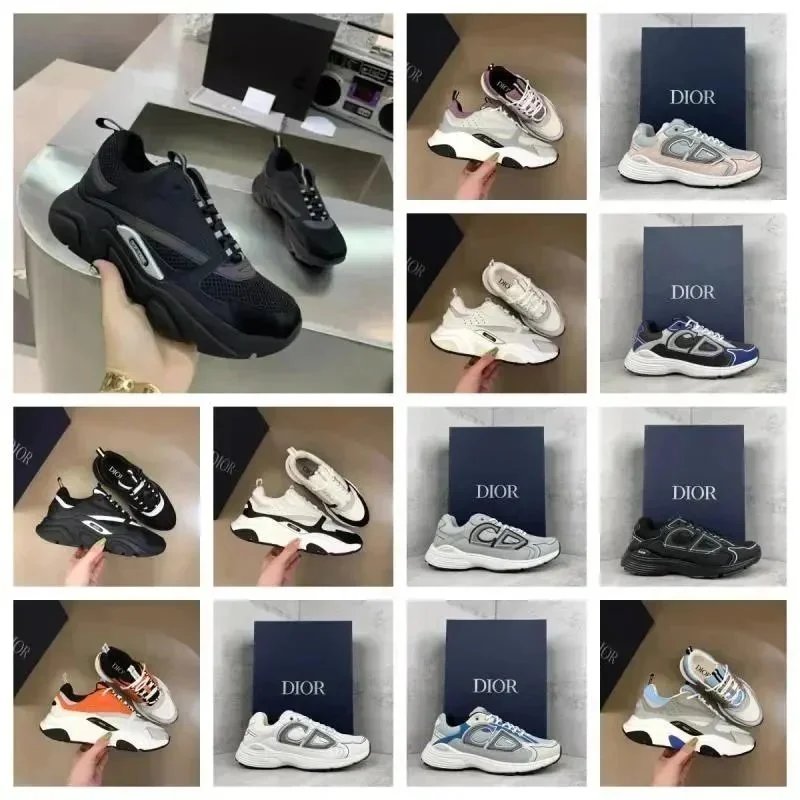
Sneakers B22 B30 Unisex Classic Sneakers | UIDBuy spreadsheet | BBDBuy spreadsheet - 135717

Sneakers 04 Classic Sneakers | LoongBuy spreadsheet | JoyaGoo spreadsheet | USFans spreadsheet - 135678

Shoes Ph076 Breathable Running Shoes | CSSBuy spreadsheet | LoongBuy spreadsheet - 136150
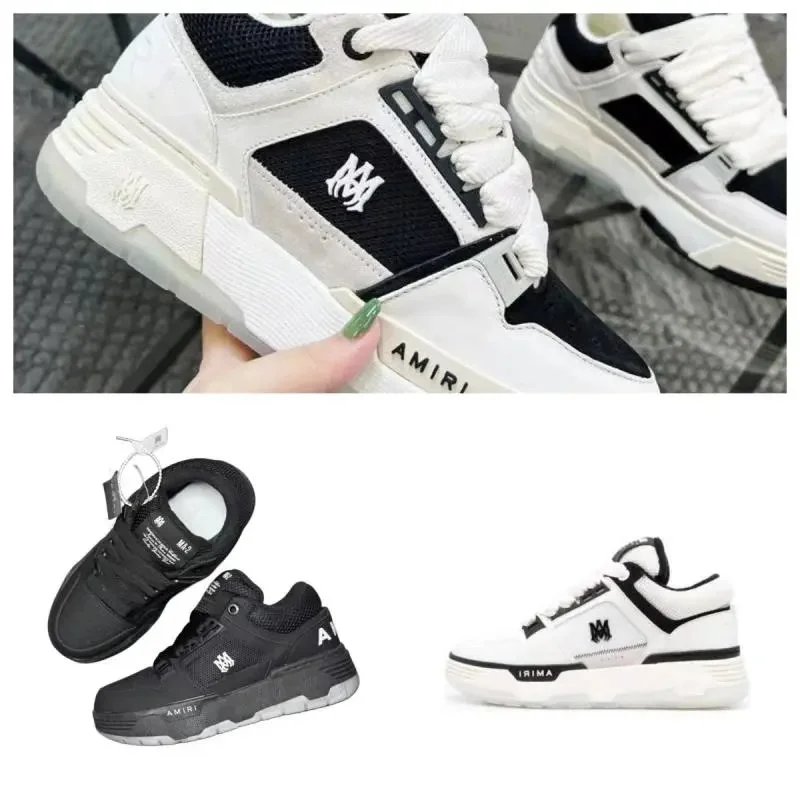
Sneakers P-0100 Unisex Sneakers | Kakobuy spreadsheet | BBDBuy spreadsheet | MyCNBox spreadsheet - 136114

Sneakers 2025 Skate Sneakers | MyCNBox spreadsheet | iTaoBuy spreadsheet | USFans spreadsheet - 135965
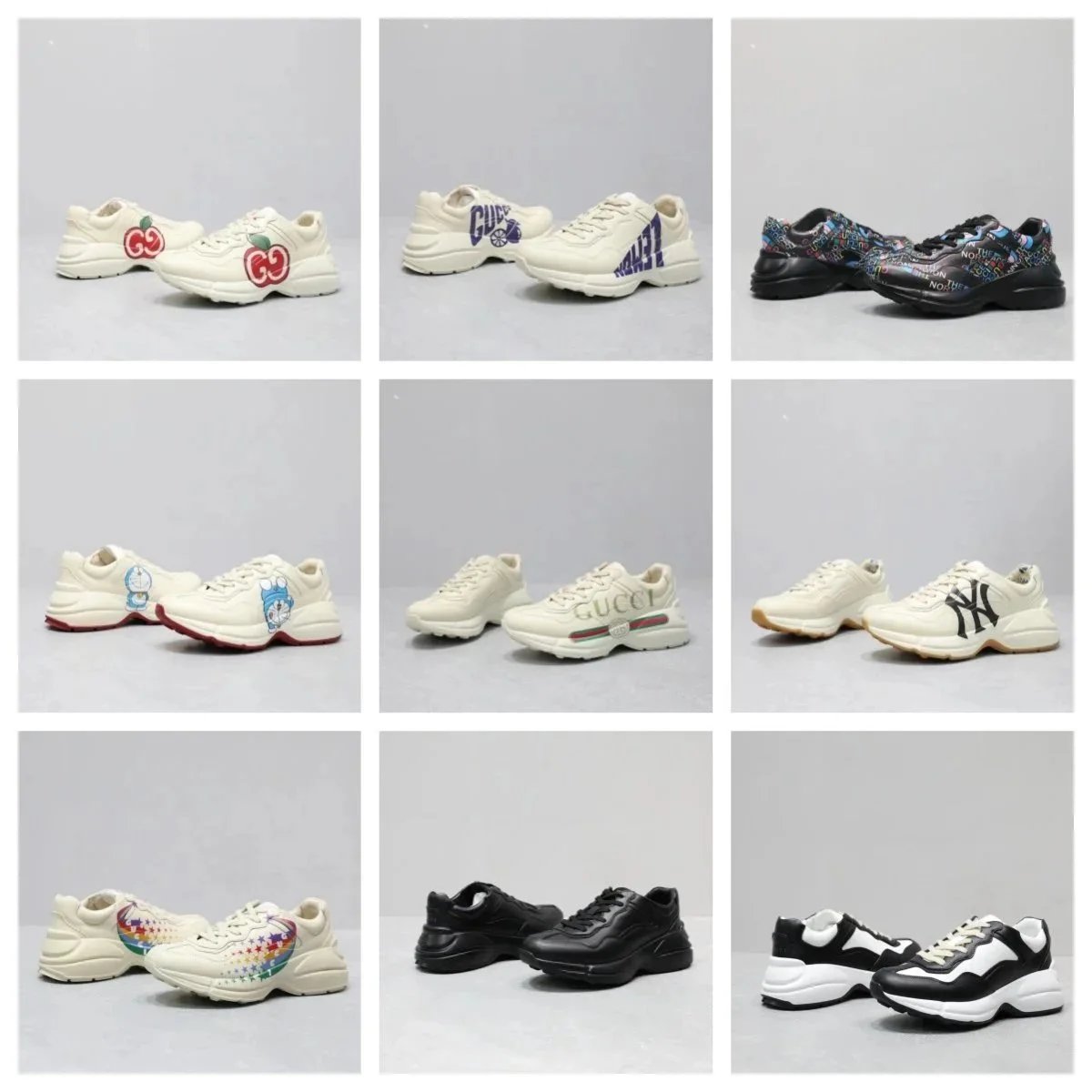
Sneakers BY03-CY Unisex Chunky Sneakers | Wheebuy spreadsheet | Lovegobuy spreadsheet - 141219