Cafans Journal
Stories & FindsLovegobuy Spreadsheet Guide: The Complete CAFANS Guide to Smart Shopping
If you have spent any time browsing agent-based shopping platforms, you have probably heard about the lovegobuy spreadsheet. This CAFANS guide breaks down what the spreadsheet is, how to use it, and how to combine it with a solid lovegobuy guide to make smarter purchasing decisions. Whether you are a first-time buyer or a seasoned veteran, understanding how the spreadsheet works will save you time, money, and frustration.
What Is the Lovegobuy Spreadsheet?
The lovegobuy spreadsheet is a community-curated database of product listings, usually organized by category, price, and seller reliability. Instead of scrolling endlessly through marketplace pages, shoppers open the spreadsheet to find verified lovegobuy product links that lead directly to items other users have already tested. Think of it as a shortcut: the spreadsheet compiles finds from forums, chat groups, and review threads into one sortable table.
Because the sheet is updated regularly, it functions as a living index. Each row typically includes a product name, a photo, the price, the weight (important for shipping estimates), the seller or store, and a quality rating. Some versions also flag dead links, restocks, and seasonal discounts.
Why Use a Lovegobuy Spreadsheet Guide?
A lovegobuy spreadsheet guide matters because raw data is not useful without context. The best sheets include a legend explaining QC ratings (quality control), haul weights, and shipping line suggestions. Without that legend, newcomers may misread the columns and choose items that are overpriced or too heavy to ship economically.
Using a guide also helps you avoid common pitfalls: expired links, inaccurate sizing charts, and sellers with inconsistent batches. A good lovegobuy shopping guide teaches you how to cross-reference spreadsheet entries with real user reviews before you commit to a purchase.
How to Read the Spreadsheet
Follow this step-by-step lovegobuy guide to navigate the sheet efficiently:
- Start with the category tabs. Most sheets split items into tabs such as sneakers, hoodies, tees, accessories, and electronics.
- Check the QC column. Ratings usually range from 1 to 10 or use labels like “GL” (green light) and “RL” (red light).
- Note the weight. Heavier items raise international shipping costs, so compare grams before adding to your cart.
- Verify the link. Click through to confirm the item is still available and the price matches the sheet.
- Read the notes. Comments often mention sizing advice, batch versions, and known flaws.
Lovegobuy Product Links: How to Use Them Safely
Lovegobuy product links are the backbone of the spreadsheet. When you click a link, you are usually redirected to an agent platform where you can paste the URL into the search bar. Always confirm the item ID, colorway, and size before ordering. If the link is broken, check the sheet’s “dead links” tab or search the product name manually.
It is also wise to screenshot the listing at the time of purchase. Prices and batches change quickly, and having a reference helps if you need to contact support later.
Building a Haul with the Spreadsheet
A lovegobuy shopping guide should explain haul strategy. Instead of buying one item at a time, group purchases by warehouse and shipping line to reduce costs. The spreadsheet often includes a “weight calculator” tab where you can estimate total parcel weight. Keep parcels under the recommended limit for your chosen line, and declare values accurately to avoid customs issues.
Many users also maintain a personal wishlist tab, copying rows from the main sheet and adding notes about sizing. This is especially useful for apparel, where measurements vary between sellers.
Common Mistakes to Avoid
- Trusting outdated rows without checking the date column.
- Ignoring weight when comparing prices.
- Skipping QC photos before shipping from the warehouse.
- Assuming all sizes follow standard charts.
- Using the sheet without reading the accompanying guide.
Related Terms You Will Encounter
As you explore the lovegobuy spreadsheet, you will run into terms like agent, warehouse, QC photos, haul, batch, restock, dead link, wishlist, parcel, customs declaration, shipping line, volumetric weight, coupon, discount code, review thread, size chart, colorway, SKU, item ID, spreadsheet tab, category filter, price history, seller rating, green light, red light, batch version, tracking number, consolidation, and refund policy. Learning these terms makes the sheet far easier to navigate.
Final Tips for Spreadsheet Success
Bookmark the sheet, check it weekly, and cross-reference with community reviews. Use the lovegobuy spreadsheet guide as your reference manual, and treat the lovegobuy guide as your roadmap. Combined with reliable lovegobuy product links and disciplined haul planning, the spreadsheet becomes one of the most powerful tools in your shopping workflow.
Remember: the spreadsheet is a starting point, not a guarantee. Always verify details, request QC photos, and shop within your budget. With the right approach, the lovegobuy spreadsheet can transform a chaotic marketplace into a curated, efficient shopping experience.
Editor's selection
Popular Products

Outdoor Casual Sneakers | Hipobuy spreadsheet | OOTDBuy spreadsheet | JoyaGoo spreadsheet - 141223

Sneakers B22 B30 Unisex Classic Sneakers | UIDBuy spreadsheet | BBDBuy spreadsheet - 135717

Sneakers 04 Classic Sneakers | LoongBuy spreadsheet | JoyaGoo spreadsheet | USFans spreadsheet - 135678

Sneakers P-0100 Unisex Sneakers | Kakobuy spreadsheet | BBDBuy spreadsheet | MyCNBox spreadsheet - 136114
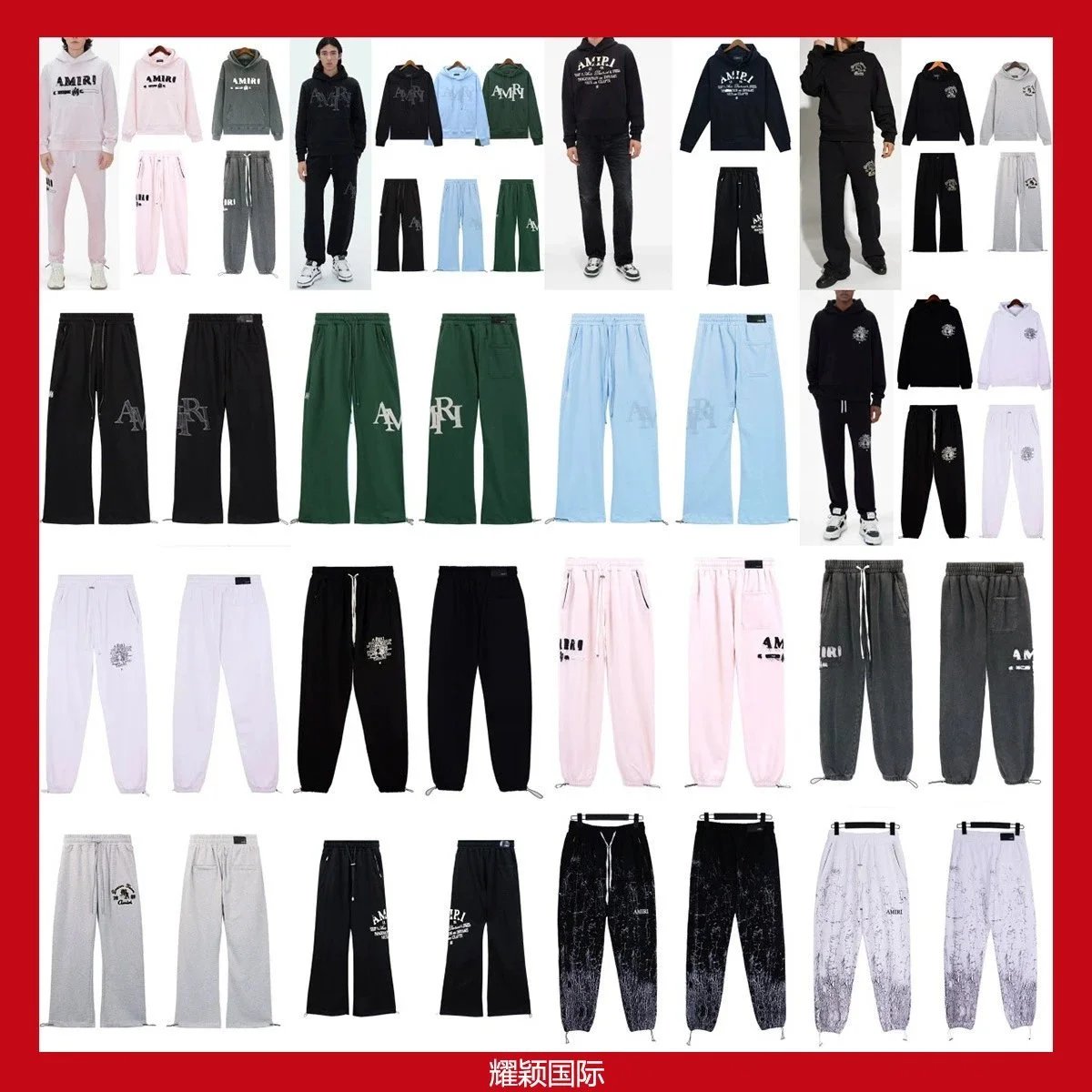
Graphic Hoodies and Sweatpants Collection LH25 Unisex | Oopbuy spreadsheet | Hipobuy spreadsheet - 140989

Sneakers 2025 Skate Sneakers | MyCNBox spreadsheet | iTaoBuy spreadsheet | USFans spreadsheet - 135965
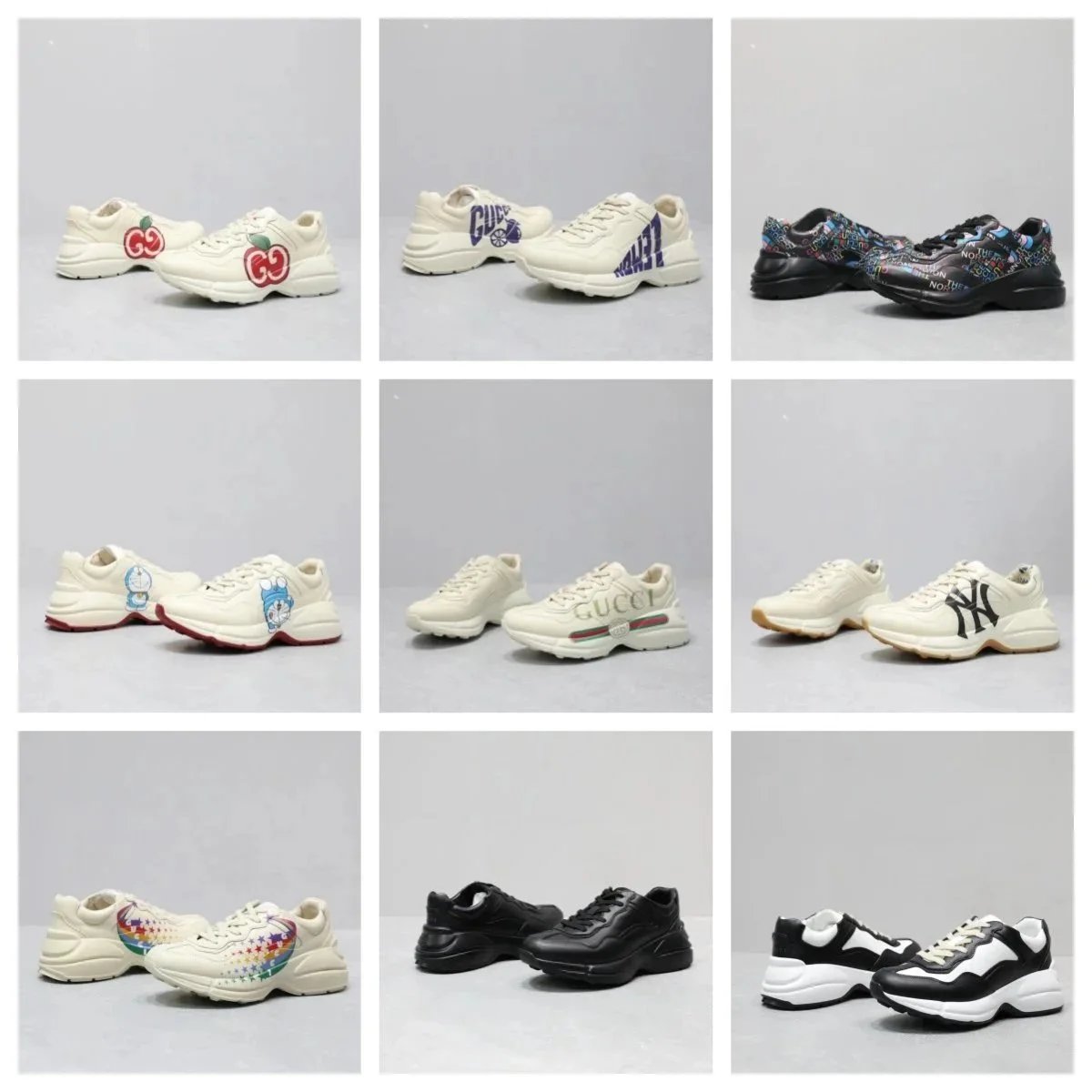
Sneakers BY03-CY Unisex Chunky Sneakers | Wheebuy spreadsheet | Lovegobuy spreadsheet - 141219