Cafans Journal
Stories & FindsCAFANS English Guide: Using the Sugargoo Spreadsheet for Smarter Shopping
CAFANS English Guide: Using the Sugargoo Spreadsheet for Smarter Shopping
If you have spent any time in the replica and agent-shopping community, you have probably heard the name CAFANS. This English guide explains how to combine a sugargoo spreadsheet with the wider CAFANS ecosystem so you can find products faster, compare prices, and avoid common beginner mistakes. Whether you are new to agent platforms or a seasoned buyer, the tips below will help you turn a messy catalog into a clean, organized shopping list.
What Is CAFANS?
CAFANS is a community-driven resource hub that aggregates product finds, spreadsheet links, and shopping knowledge for agent platforms like Sugargoo. Instead of scrolling through endless listings, users rely on curated sheets that collect item links, prices, sizes, and seller notes in one place. The result is a sugargoo shopping guide that saves hours of research and reduces the risk of buying from unreliable sellers.
Why the Sugargoo Spreadsheet Matters
A sugargoo spreadsheet is essentially a shared database. Each row usually contains a product name, a category tag, the original listing price, available sizes, and a direct link. Because the sheet is maintained by the community, it is updated far more often than static blog posts. This makes it the fastest way to discover new finds, compare batches, and track price changes over time.
Using a sugargoo spreadsheet guide correctly means understanding three things: how columns are structured, how to filter by category or price, and how to verify that a sugargoo product link still works before you order.
How to Read a Sugargoo Spreadsheet
Most sheets follow a similar layout. Familiarize yourself with these columns:
- Item name and image – identifies the product and helps you spot duplicates.
- Category or tag – groups items such as sneakers, hoodies, or accessories.
- Price and currency – usually in CNY or USD; check which one applies.
- Size range – shows what is actually in stock.
- Seller or store link – the original marketplace page.
- Notes and QC remarks – community feedback on quality and fit.
Treat these columns as your sugargoo buying guide checklist. If a row is missing key data, mark it as unverified rather than assuming it is safe.
Step-by-Step: From Spreadsheet to Checkout
- Choose a trusted sheet. Look for sheets with recent update timestamps and an active maintainer. A sugargoo spreadsheet 2024 or newer version is preferable to an abandoned file.
- Filter before you browse. Use the sheet's filter view to narrow by category, price ceiling, or size. This is the core of any efficient sugargoo shopping guide workflow.
- Open the product link. Verify that the sugargoo product link leads to a live listing, not a dead page. Check the seller rating and return policy.
- Copy the link into your agent cart. Paste the URL into Sugargoo, select your size and color, and confirm the price shown matches the sheet.
- Request QC photos. Before shipping internationally, ask for warehouse QC images. Community spreadsheets often include QC references you can compare against.
- Consolidate your parcel. Combine multiple items to reduce shipping cost, and review the final weight estimate.
Common Mistakes to Avoid
New users often treat a sugargoo spreadsheet as a guarantee. It is not. Prices change, sellers close stores, and stock runs out. Always double-check the live listing. Avoid buying from unverified rows, and never share personal account details inside community sheets.
Another frequent error is ignoring sizing charts. A sugargoo size guide or the seller's own measurements should always be consulted, especially for shoes and outerwear. Finally, remember that a sugargoo shipping guide matters as much as the product itself—cheap items with heavy packaging can erase your savings.
Building Your Own Shopping Sheet
Advanced users often build a personal sugargoo spreadsheet template. Start with columns for item, category, price, size, link, QC status, and shipping weight. Add a status column (planned, ordered, shipped, received) to track your haul. This private sheet becomes your own sugargoo tracking guide and prevents duplicate orders.
Where CAFANS Fits In
CAFANS acts as the index that points you toward reliable sheets and explains how to use them. Think of CAFANS as the library and the sugargoo spreadsheet as the catalog inside it. A good sugargoo beginner guide should always link back to a maintained sheet, and CAFANS-style hubs do exactly that.
Final Checklist
- Confirm the sheet was updated recently.
- Filter by category, price, and size.
- Verify every sugargoo product link before ordering.
- Check seller ratings and return policies.
- Request QC photos and review weight estimates.
- Track your order in a personal sheet.
With this English CAFANS guide and a well-maintained sugargoo spreadsheet, you can shop smarter, compare batches confidently, and build a haul that matches both your budget and your expectations. Bookmark your favorite sheet, keep it updated, and treat every link as a starting point rather than a promise.
Editor's selection
Popular Products

Sneakers B22 B30 Unisex Classic Sneakers | UIDBuy spreadsheet | BBDBuy spreadsheet - 135717

Outdoor Casual Sneakers | Hipobuy spreadsheet | OOTDBuy spreadsheet | JoyaGoo spreadsheet - 141223

Sneakers 04 Classic Sneakers | LoongBuy spreadsheet | JoyaGoo spreadsheet | USFans spreadsheet - 135678

Sneakers P-0100 Unisex Sneakers | Kakobuy spreadsheet | BBDBuy spreadsheet | MyCNBox spreadsheet - 136114
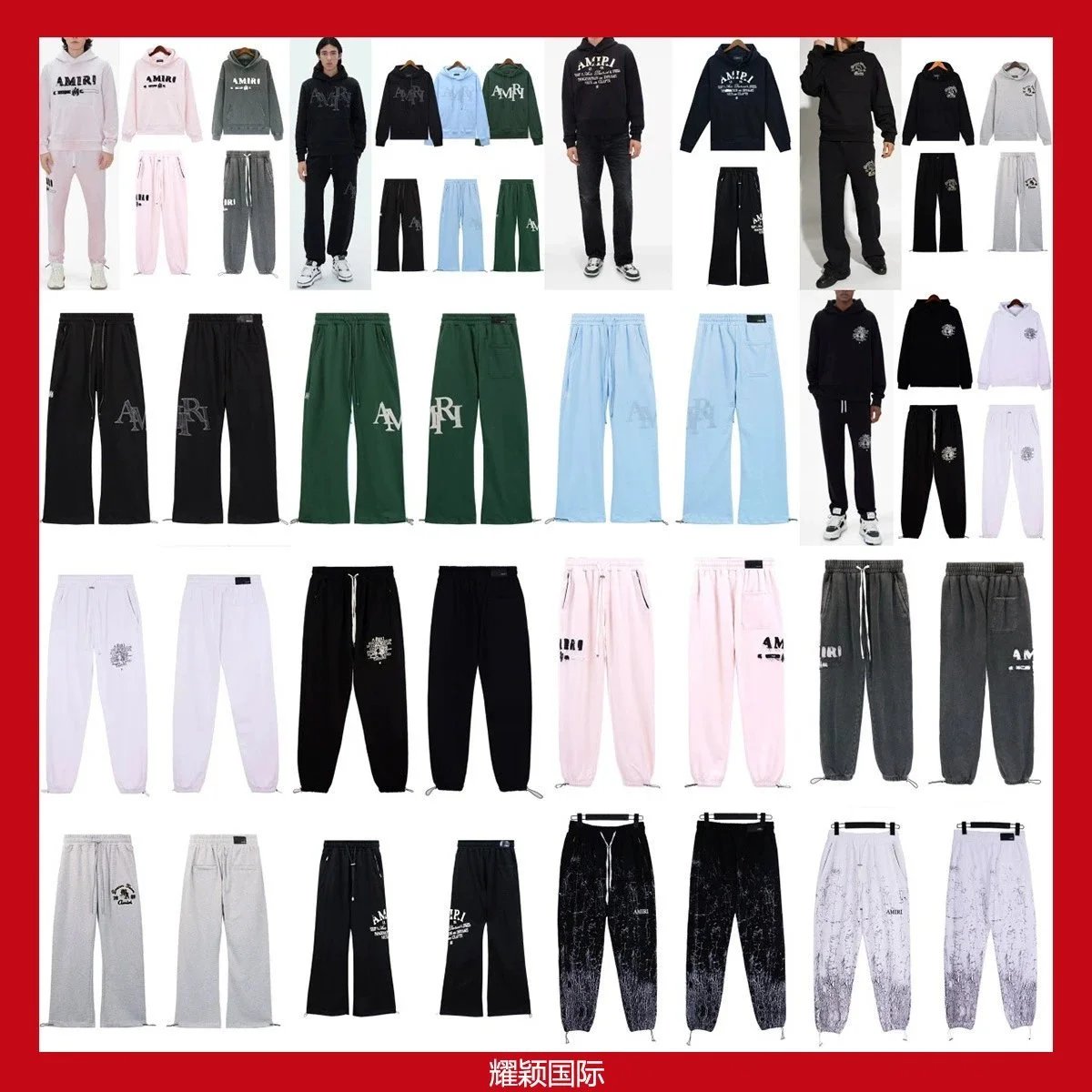
Graphic Hoodies and Sweatpants Collection LH25 Unisex | Oopbuy spreadsheet | Hipobuy spreadsheet - 140989

Sneakers 2025 Skate Sneakers | MyCNBox spreadsheet | iTaoBuy spreadsheet | USFans spreadsheet - 135965
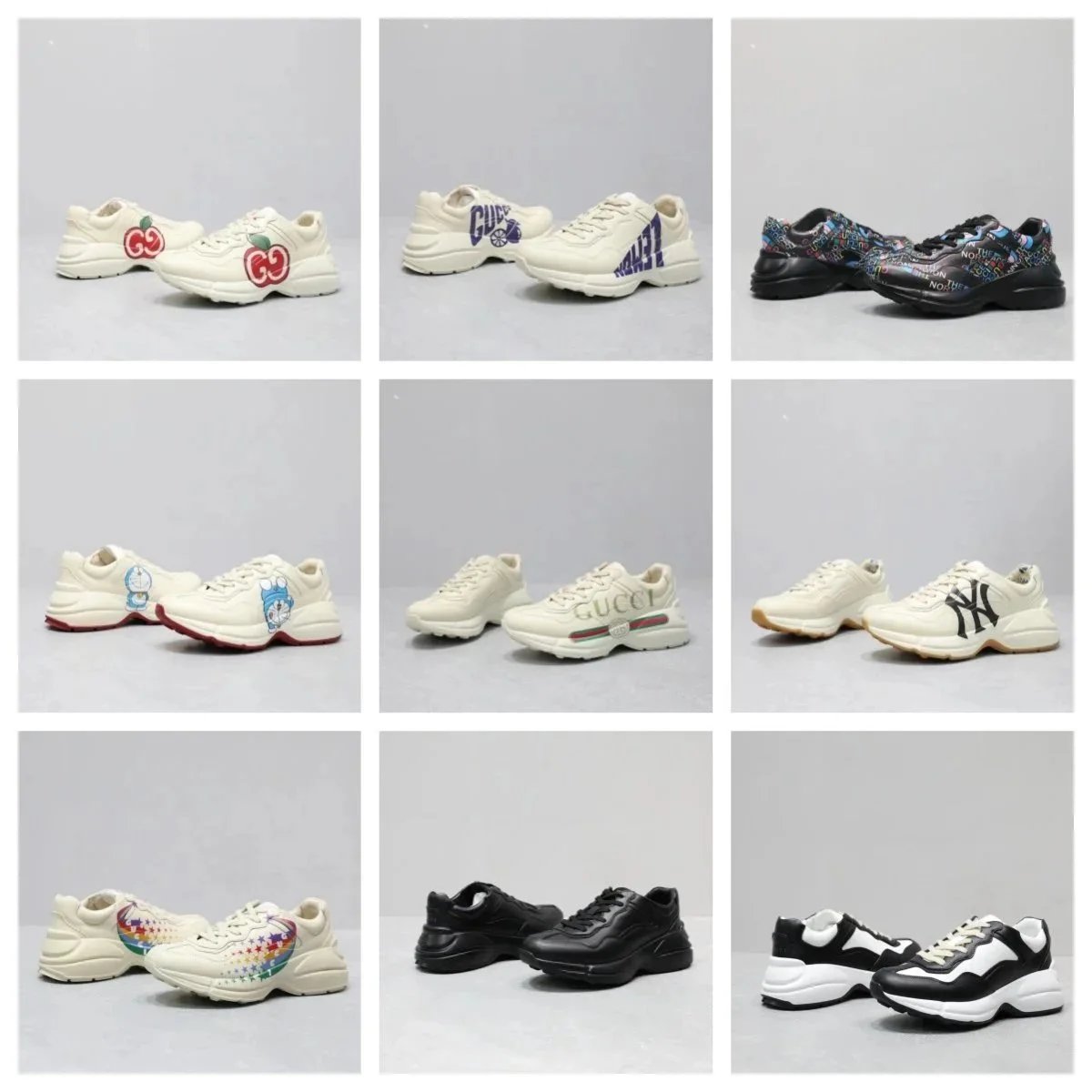
Sneakers BY03-CY Unisex Chunky Sneakers | Wheebuy spreadsheet | Lovegobuy spreadsheet - 141219