Cafans Journal
Stories & FindsFishBuy CAFANS Guide: How to Shop Smarter with FishBuy Spreadsheets and Product Links
FishBuy CAFANS Guide: A Complete Shopping Walkthrough
If you have been searching for a practical FishBuy guide, this CAFANS walkthrough is built for you. FishBuy is a shopping agent platform that helps international buyers purchase from Chinese marketplaces, and this guide explains how to plan purchases, track costs, use a FishBuy spreadsheet, and evaluate FishBuy product links before you commit. Whether you are a first-time buyer or a seasoned reseller, the tips below will help you avoid common mistakes.
What Is FishBuy and Why Use It?
FishBuy acts as a purchasing agent. You paste a product link from a supported marketplace, the platform quotes a price, purchases the item on your behalf, and ships it to your address through consolidation. The appeal is access: sneakers, streetwear, accessories, electronics, home goods, and hobby items that may be hard to source locally. A good FishBuy shopping guide should cover pricing transparency, warehouse consolidation, shipping line selection, and quality control. That is exactly what this CAFANS guide does.
Step 1: Set Up Your FishBuy Account Properly
Register with a valid email and complete your profile, including your shipping address and preferred payment method. Many buyers overlook the importance of accurate address formatting; incorrect postal codes cause failed deliveries and wasted shipping fees. Enable notifications so you receive updates about order status, warehouse arrival, and consolidation deadlines. Before your first order, read the platform's service fees, inspection policy, and return rules. Understanding these basics is the foundation of any reliable FishBuy guide.
Step 2: Use a FishBuy Spreadsheet to Organize Orders
A FishBuy spreadsheet is one of the most effective tools for serious shoppers. Create columns for item name, product link, size, color, quantity, unit price, domestic shipping, service fee, estimated international shipping, and total landed cost. Add a status column for purchased, warehouse received, quality checked, consolidated, and shipped. A well-built FishBuy spreadsheet prevents duplicate orders, reveals which items are eating your budget, and helps you compare sellers. If you buy in batches, add a weight column so you can estimate consolidation costs before items arrive at the warehouse. This single habit makes the entire FishBuy shopping guide workflow smoother.
Step 3: Evaluate FishBuy Product Links Before Buying
Not every FishBuy product link is worth your money. Check the seller's rating, order history, return rate, and buyer photos. Look for real customer images rather than only studio shots. Read the size chart carefully, especially for apparel and footwear, because sizing often runs small. Confirm the material, version, and included accessories. Ask the agent a question if the listing is ambiguous. Save strong candidates in your FishBuy spreadsheet with notes on seller responsiveness and price history. Being selective with FishBuy product links is the fastest way to reduce returns and shipping waste.
Step 4: Master the FishBuy Shopping Guide Workflow
A practical FishBuy shopping guide follows a repeatable sequence: search, verify, purchase, inspect, consolidate, and ship. Search by image or keyword, then verify the listing details. Purchase and wait for domestic delivery to the warehouse. When the item arrives, review inspection photos for defects, wrong sizes, or missing parts. Then consolidate multiple parcels into one shipment to reduce per-kilogram costs. Finally, choose a shipping line that balances speed, price, and customs reliability. Track every stage in your spreadsheet so nothing slips through the cracks.
Step 5: Control Costs and Avoid Hidden Fees
Budgeting is central to any honest FishBuy guide. Expect service fees, domestic shipping, international freight, optional insurance, and possible customs duties. Consolidation lowers shipping costs, but oversized or heavy items can trigger volumetric pricing. Declare values accurately; under-declaration risks seizure. Compare shipping lines rather than defaulting to the cheapest, because slow lines can extend warehouse storage time. Keep a running total in your FishBuy spreadsheet so you know your true landed cost before checkout.
Step 6: Quality Control and Returns
Inspect photos carefully and request additional photos for expensive items. Report defects immediately within the platform's claim window. Understand what the agent will and will not do regarding returns to the seller. For fragile goods, request reinforced packaging. Document everything in your spreadsheet, including claim dates and outcomes, so you build a record of reliable sellers and problem listings.
Step 7: Shipping and Customs Tips
Choose a line with tracking and reasonable transit time for your country. Remove unnecessary packaging to reduce weight. Group similar items to simplify customs review. Keep invoices and order records accessible in case customs requests documentation. Avoid shipping restricted goods, and check battery or liquid restrictions before purchasing electronics or cosmetics.
Final Thoughts
This CAFANS FishBuy guide emphasizes planning, verification, and record-keeping. Use a FishBuy spreadsheet to track every order, treat FishBuy product links as leads to verify rather than instant buys, and follow a disciplined FishBuy shopping guide workflow from search to delivery. With these habits, FishBuy becomes a predictable, cost-effective sourcing tool rather than a gamble.
Editor's selection
Popular Products

Outdoor Casual Sneakers | Hipobuy spreadsheet | OOTDBuy spreadsheet | JoyaGoo spreadsheet - 141223

Sneakers B22 B30 Unisex Classic Sneakers | UIDBuy spreadsheet | BBDBuy spreadsheet - 135717

Sneakers 04 Classic Sneakers | LoongBuy spreadsheet | JoyaGoo spreadsheet | USFans spreadsheet - 135678

Shoes Ph076 Breathable Running Shoes | CSSBuy spreadsheet | LoongBuy spreadsheet - 136150

Sneakers P-0100 Unisex Sneakers | Kakobuy spreadsheet | BBDBuy spreadsheet | MyCNBox spreadsheet - 136114

Sneakers 2025 Skate Sneakers | MyCNBox spreadsheet | iTaoBuy spreadsheet | USFans spreadsheet - 135965
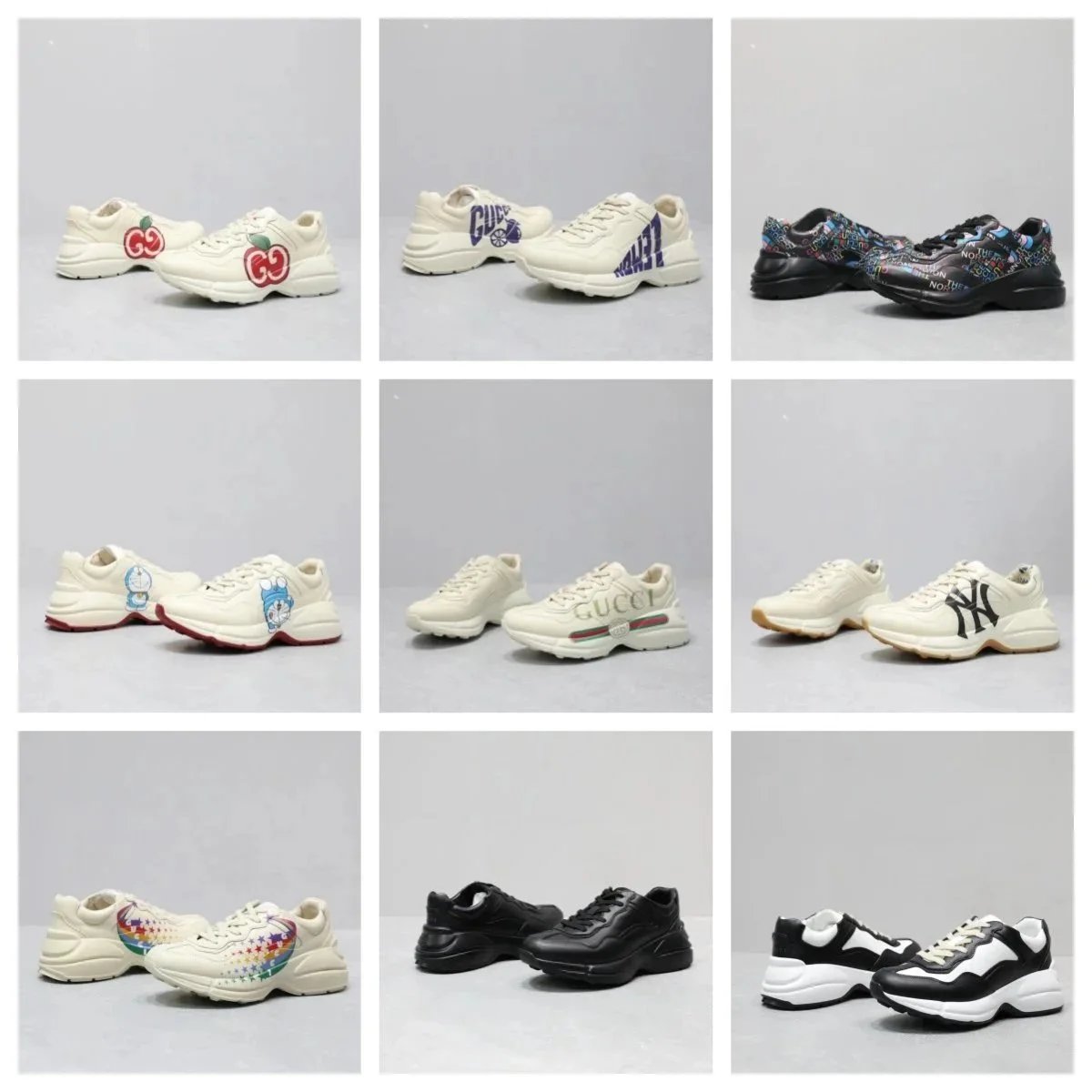
Sneakers BY03-CY Unisex Chunky Sneakers | Wheebuy spreadsheet | Lovegobuy spreadsheet - 141219