Cafans Journal
Stories & FindsCSSBuy Spreadsheet Guide: The English CAFANS Shopping Handbook
If you have spent any time browsing replica and streetwear communities, you have probably run into the CSSBuy spreadsheet. This English guide is built around the CAFANS approach — Collect, Assess, Filter, Approve, Navigate, Ship — a simple framework that helps both newcomers and experienced buyers get the most out of a CSSBuy spreadsheet. Whether you are reading your first CSSBuy guide or refining an existing workflow, the sections below explain how to find product links, avoid common mistakes, and move from sheet to checkout with confidence.
What Is a CSSBuy Spreadsheet?
A CSSBuy spreadsheet is a shared, community-maintained list of product links from Chinese marketplaces. Instead of searching blindly, buyers open a CSSBuy spreadsheet guide, browse categories, and click through to listings that have already been curated. A good CSSBuy spreadsheet guide organizes items by category, region, price, and seller reliability. The spreadsheet is not a store; it is an index. That distinction matters, because every CSSBuy product link ultimately leads to a third-party listing, and the agent platform handles purchase, quality-control photos, consolidation, and international shipping.
The CAFANS Framework in Practice
Collect
Start by collecting candidate links. Open several spreadsheets rather than one, because each CSSBuy spreadsheet has different strengths. Some focus on sneakers, others on hoodies, bags, or accessories. Bookmark the tabs you need and copy product links into a personal shortlist. Make a note of the spreadsheet name and the date you saved each link — listings change and go out of stock quickly.
Assess
Next, assess each CSSBuy product link before committing. Check the seller rating, the number of completed orders, and customer photos. Read the item description carefully for sizing and material notes. A reliable CSSBuy guide will flag common issues such as inaccurate measurements or sellers that ship slowly. If a link has no reviews and no QC photos, treat it as a risk rather than a bargain.
Filter
Filtering is where the spreadsheet earns its keep. Use the columns — category, price range, weight, batch version — to remove noise. A practical CSSBuy shopping guide suggests filtering by weight early, because shipping cost depends heavily on parcel weight. Two items that look identical may differ by hundreds of grams, which changes the final landed price. Filter for your size and preferred colorway before you fall in love with a listing.
Approve
Once you have a shortlist, approve items by verifying them through the agent platform. Paste the CSSBuy product link into the order form, confirm the size and variant, and place the order. The agent then buys the item and triggers quality control. This is the stage where a clear CSSBuy spreadsheet guide pays off: you already know what the product should look like, so you can compare warehouse photos against the original listing and request a return if something is off.
Navigate
Navigating means managing the order inside your account. Track each item's status, review the QC photos, and decide whether to keep, exchange, or refund. Experienced buyers keep a checklist of details to inspect: stitching, logos, measurements, color accuracy, and accessories. If you are following a CSSBuy shopping guide for the first time, ask for extra photos before approving shipment — most agents offer them for a small fee.
Ship
Finally, ship. Choose a shipping line based on destination, weight, and declared value. Consolidate multiple items into one parcel to save on handling fees, but stay within a sensible weight. Many spreadsheets include estimated weights, which makes planning easier. After delivery, update your own notes: which sellers performed well, which links went dead, and which products matched the photos. That feedback loop makes your next CSSBuy spreadsheet session faster.
Vetting a CSSBuy Spreadsheet Guide
Not every sheet is trustworthy. A solid CSSBuy spreadsheet guide should show a last-updated date, credit the original curators, and separate verified links from unverified ones. Look for community discussion around the sheet — comments, reviews, or a changelog. If a spreadsheet looks abandoned, treat its links as historical references rather than live product links. Cross-check a few CSSBuy product links against current listings to confirm they still work.
Common Mistakes to Avoid
The most frequent error is buying from a link without checking QC photos. The second is ignoring weight, which inflates shipping costs. The third is ordering the wrong size because a spreadsheet used a different sizing convention. A dependable CSSBuy guide reminds you to confirm measurements with the seller's size chart, not with the model's height. Finally, avoid hoarding hundreds of unverified links; a focused shortlist of ten to twenty items is far more useful than a chaotic list of two hundred.
A Repeatable Workflow
Turn the CAFANS steps into a routine: open your preferred sheets each week, collect five to ten new links, assess and filter them, place one consolidated order, review QC, and ship. Over time you will build your own mini-spreadsheet of trusted sellers and repeat purchases. That personal index becomes more valuable than any public sheet because it reflects your sizes, your taste, and your shipping history.
Final Thoughts
The CSSBuy spreadsheet is a tool, not a shortcut. Used with the CAFANS method — Collect, Assess, Filter, Approve, Navigate, Ship — it turns a messy marketplace into a manageable shopping list. Read a CSSBuy guide, verify your CSSBuy product links, follow a sensible CSSBuy shopping guide, and treat every CSSBuy spreadsheet guide as a starting point for your own research. Do that, and your next order will be calmer, cheaper, and far more predictable.
Editor's selection
Popular Products
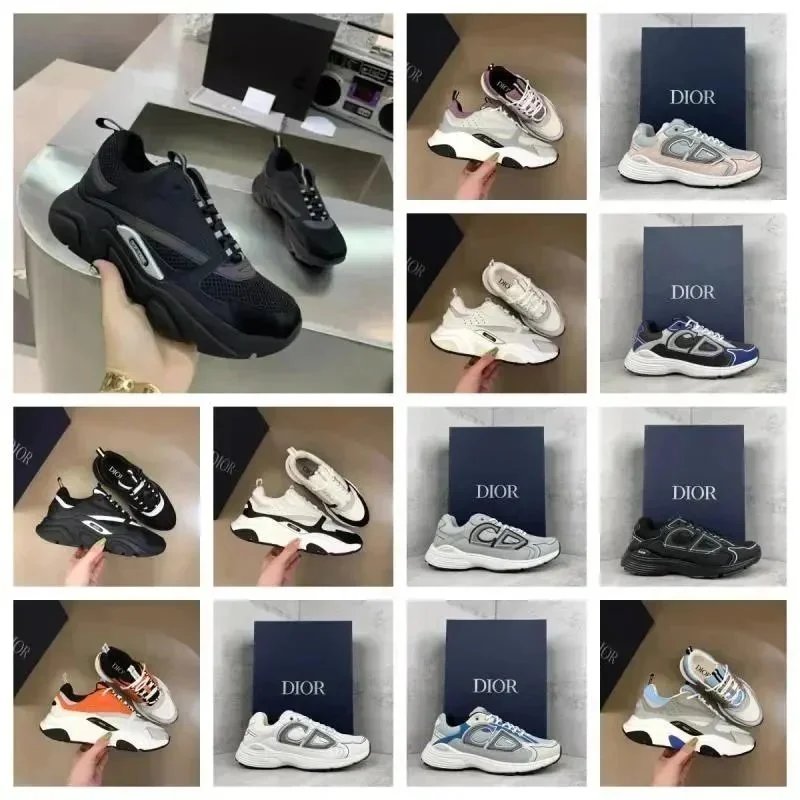
Sneakers B22 B30 Unisex Classic Sneakers | UIDBuy spreadsheet | BBDBuy spreadsheet - 135717
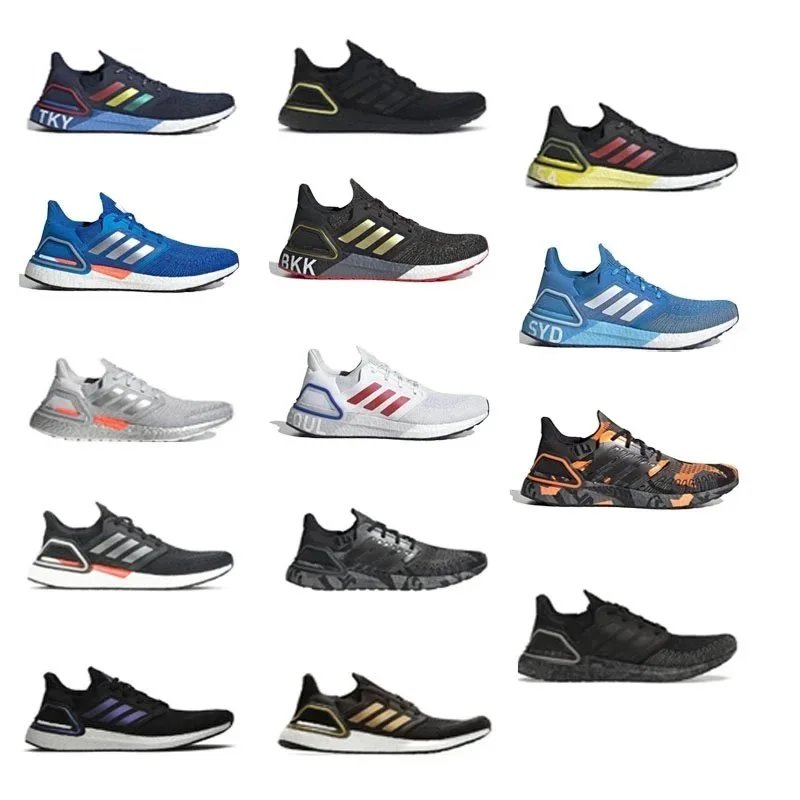
Outdoor Casual Sneakers | Hipobuy spreadsheet | OOTDBuy spreadsheet | JoyaGoo spreadsheet - 141223
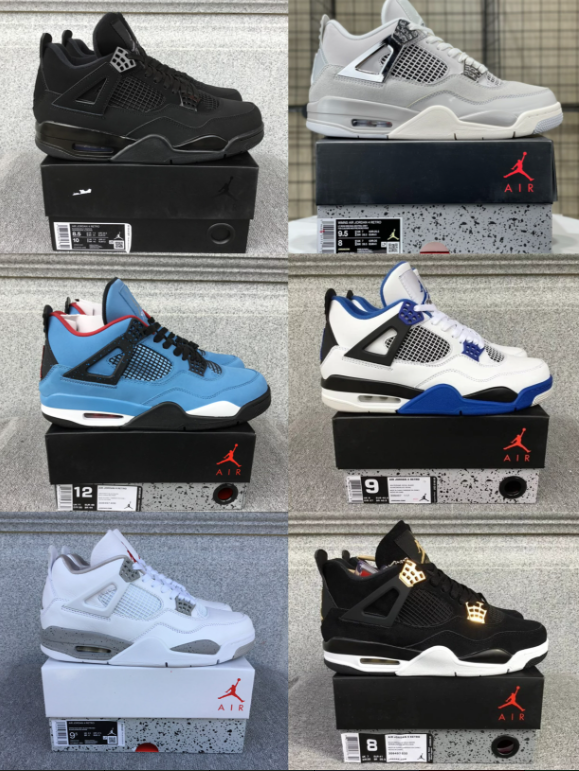
Sneakers 04 Classic Sneakers | LoongBuy spreadsheet | JoyaGoo spreadsheet | USFans spreadsheet - 135678
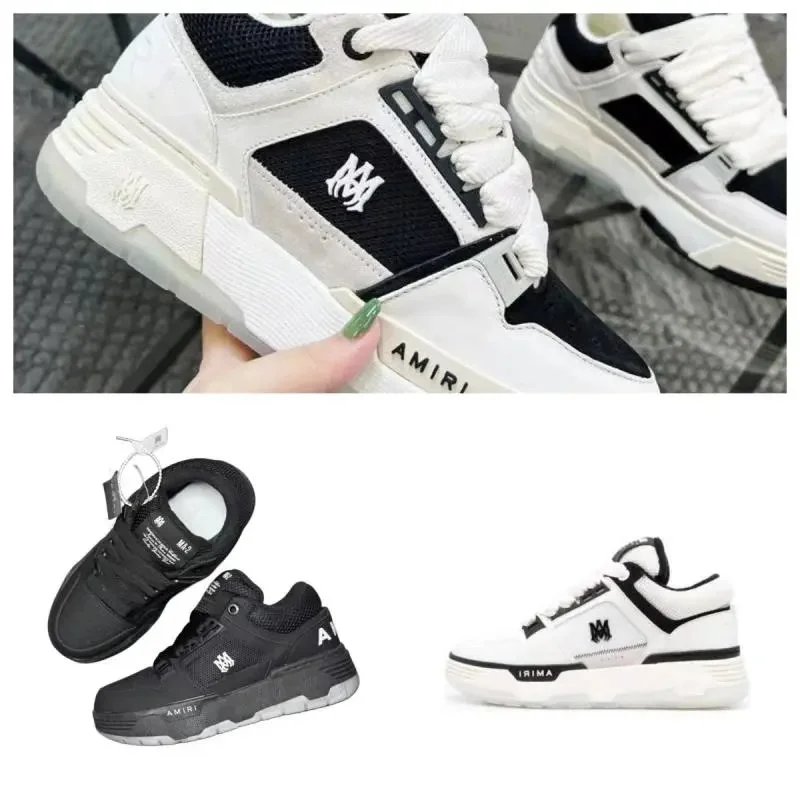
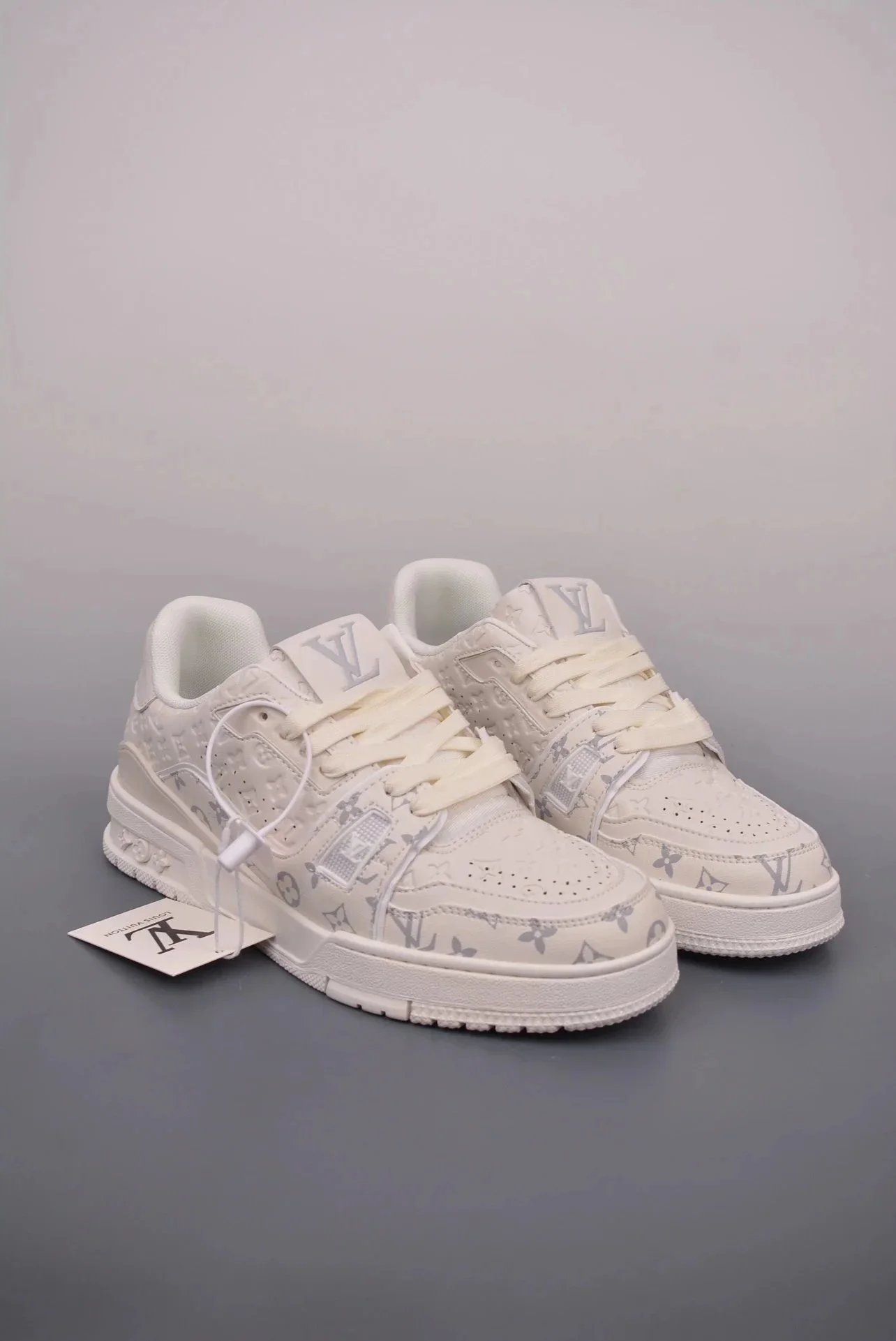
Sneakers P-0100 Unisex Sneakers | Kakobuy spreadsheet | BBDBuy spreadsheet | MyCNBox spreadsheet - 136114
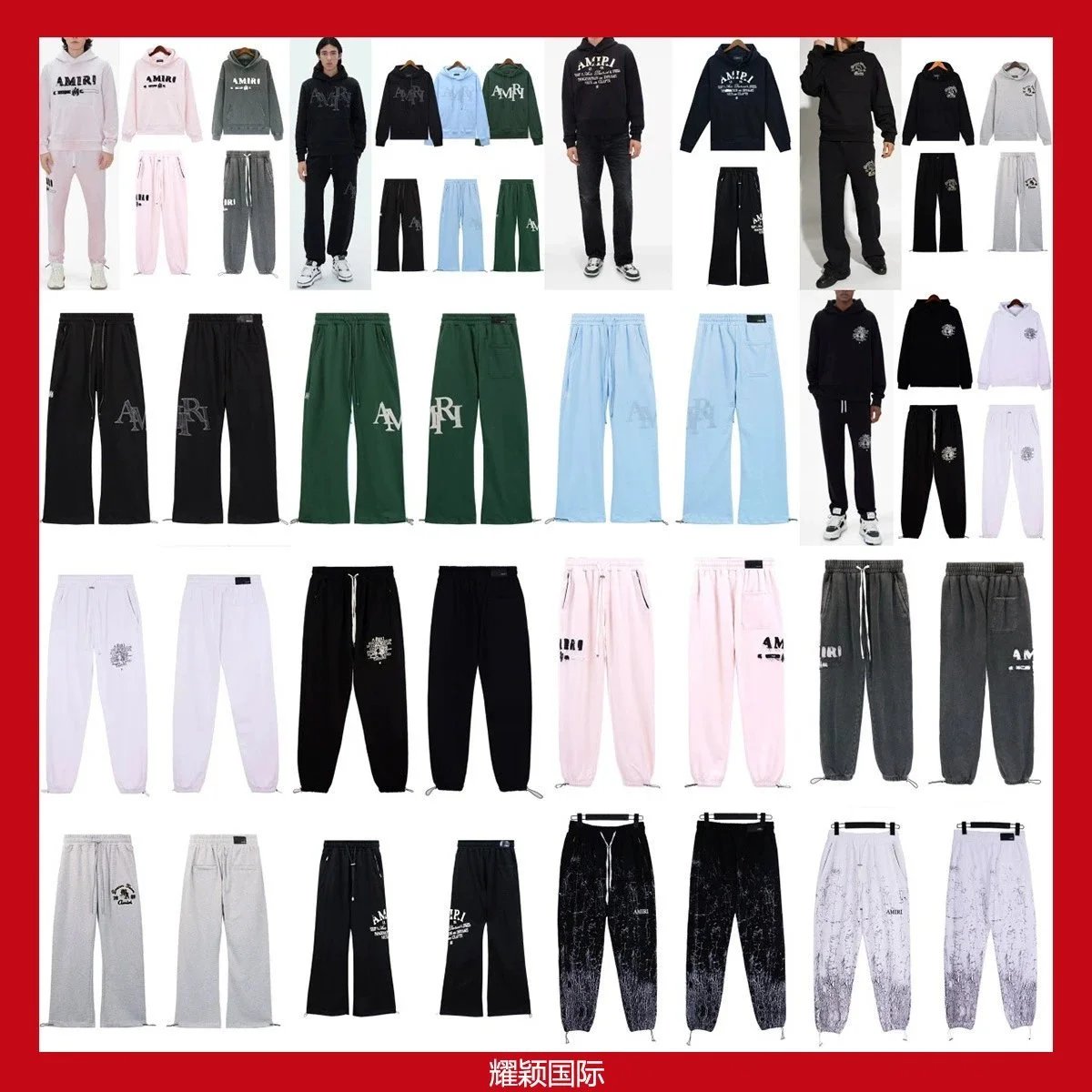
Graphic Hoodies and Sweatpants Collection LH25 Unisex | Oopbuy spreadsheet | Hipobuy spreadsheet - 140989

Sneakers 2025 Skate Sneakers | MyCNBox spreadsheet | iTaoBuy spreadsheet | USFans spreadsheet - 135965
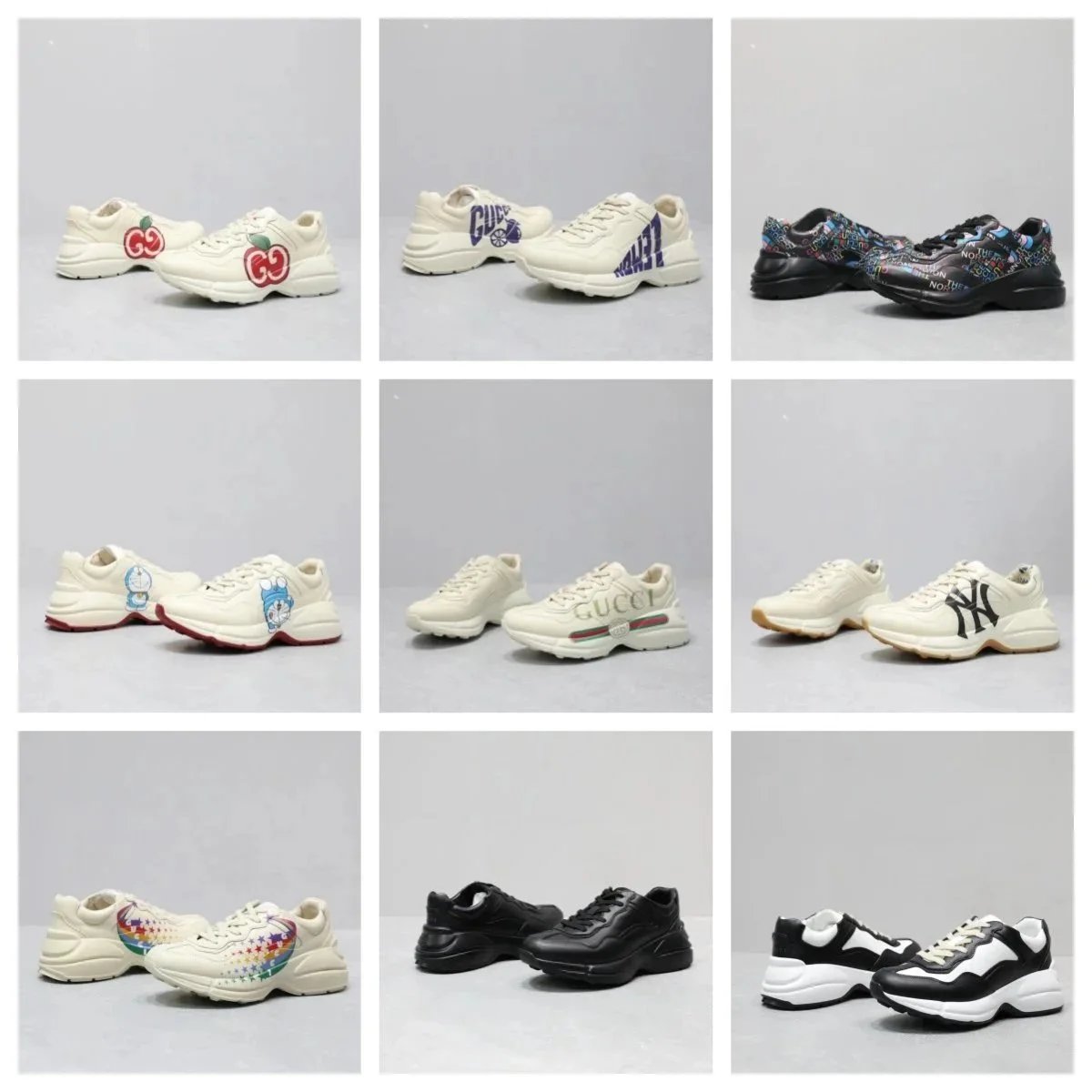
Sneakers BY03-CY Unisex Chunky Sneakers | Wheebuy spreadsheet | Lovegobuy spreadsheet - 141219