Cafans Journal
Stories & FindsCAFANS Guide: The Complete Sugargoo Shopping Walkthrough
The CAFANS guide is a handy reference for shoppers who want to understand how agent-based shopping works, and no walkthrough is complete without a close look at Sugargoo. This guide explains how Sugargoo operates, how to read a Sugargoo spreadsheet, where to find Sugargoo product links, and how to follow a sensible Sugargoo shopping guide from first search to final parcel. Whether you are buying a hoodie, a pair of sneakers, or a phone case, the workflow below will help you avoid the most common mistakes.
First, what is Sugargoo? It is a shopping agent, a service that buys items from Chinese marketplaces and sellers on your behalf, receives them at a warehouse, inspects them, and forwards them internationally. The agent model exists because many sellers do not ship overseas or do not accept foreign payment methods. A Sugargoo guide therefore starts with registration: create an account, verify your email, top up your balance, and confirm your shipping address. Keep your profile details accurate, because a mismatched address is one of the fastest ways to delay a parcel.
Understanding the Sugargoo Spreadsheet
The Sugargoo spreadsheet is the community's favourite discovery tool. It is a shared document listing items with photos, prices, sizes, and sometimes QC notes. Each row typically includes a product name, a price in yuan, a size range, and one or more links. A good spreadsheet is organised by category, such as outerwear, footwear, accessories, or electronics. Treat the spreadsheet as a starting point, not gospel: prices change, listings disappear, and stock runs out. Cross-check every entry against the live listing before you commit.
When reading a spreadsheet, note the difference between a product link and a store link. A product link takes you to one item; a store link opens the seller's whole catalogue. Spreadsheet curators often mark items as "hot" or "dead" to show demand and availability. If a row has no QC photos, search the community for independent feedback. The spreadsheet is a map, but you still need to read the terrain.
Finding Reliable Sugargoo Product Links
Valid Sugargoo product links are the backbone of any order. Copy the full URL from the marketplace listing and paste it into Sugargoo's search bar. The agent system parses the link, pulls the title, options, and price, and adds it to your cart. Before paying, check three things: the selected variant (colour and size), the current price, and whether the seller has stock. Duplicate links are common in spreadsheets; confirm you are ordering the right batch or version.
If a link fails, the listing may be removed or region-locked. Try opening it in a browser first, then search the seller's store by name. Avoid short links and redirects, which can lose the variant details. Save your working links in a personal note so you can reorder the same item later. A disciplined link routine saves hours of confusion.
The Sugargoo Shopping Guide: Step by Step
This Sugargoo shopping guide breaks the process into clear stages:
- Top up your balance. Use a supported payment method and allow for conversion fees.
- Submit your order. Paste the product link, choose the variant, and pay. The agent then purchases from the seller.
- Wait for warehouse arrival. Sellers ship domestically, usually within a few days, though delays happen.
- Review QC photos. Inspect the inspection photos carefully: stitching, labels, measurements, and colour. Request a return or exchange if something is wrong.
- Build your parcel. Combine items to save on shipping, choose a line that suits your budget and timeline, and declare a reasonable value.
- Track and receive. Monitor the tracking number, watch for customs updates, and confirm delivery.
Every stage has pitfalls. Low balance causes failed purchases. Ignoring QC photos leads to disappointment. Overloading a parcel can trigger customs scrutiny. Choose a shipping line that matches the destination country's rules, and always read the line's restrictions before submitting.
Practical Tips for Better Orders
Use the spreadsheet for ideas but verify everything with the live listing. Read reviews and QC posts before buying hype items. Keep a spreadsheet of your own with order numbers, links, and dates. Ask customer service specific questions with photos attached; vague queries get vague answers. Remember that agent fees, domestic shipping, and international freight are separate costs, so budget for all three. If an item is fragile, request extra packaging. If you are unsure about sizing, ask for measurements before shipping.
The CAFANS guide approach is simple: research, verify, inspect, and consolidate. Sugargoo gives you the tools, but the discipline is yours. Start with a small test order to learn the interface, then scale up once you understand the flow. With a reliable spreadsheet, clean product links, and a careful shopping guide, the agent model becomes a straightforward way to shop global marketplaces with confidence.
Editor's selection
Popular Products

Sneakers B22 B30 Unisex Classic Sneakers | UIDBuy spreadsheet | BBDBuy spreadsheet - 135717

Outdoor Casual Sneakers | Hipobuy spreadsheet | OOTDBuy spreadsheet | JoyaGoo spreadsheet - 141223

Sneakers 04 Classic Sneakers | LoongBuy spreadsheet | JoyaGoo spreadsheet | USFans spreadsheet - 135678

Shoes Ph076 Breathable Running Shoes | CSSBuy spreadsheet | LoongBuy spreadsheet - 136150
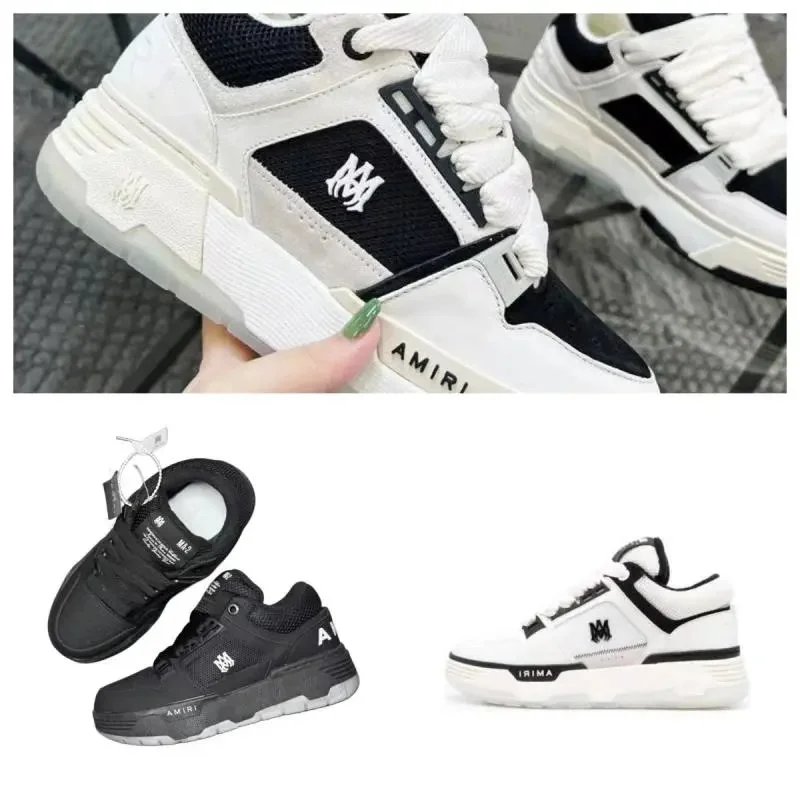
Sneakers P-0100 Unisex Sneakers | Kakobuy spreadsheet | BBDBuy spreadsheet | MyCNBox spreadsheet - 136114
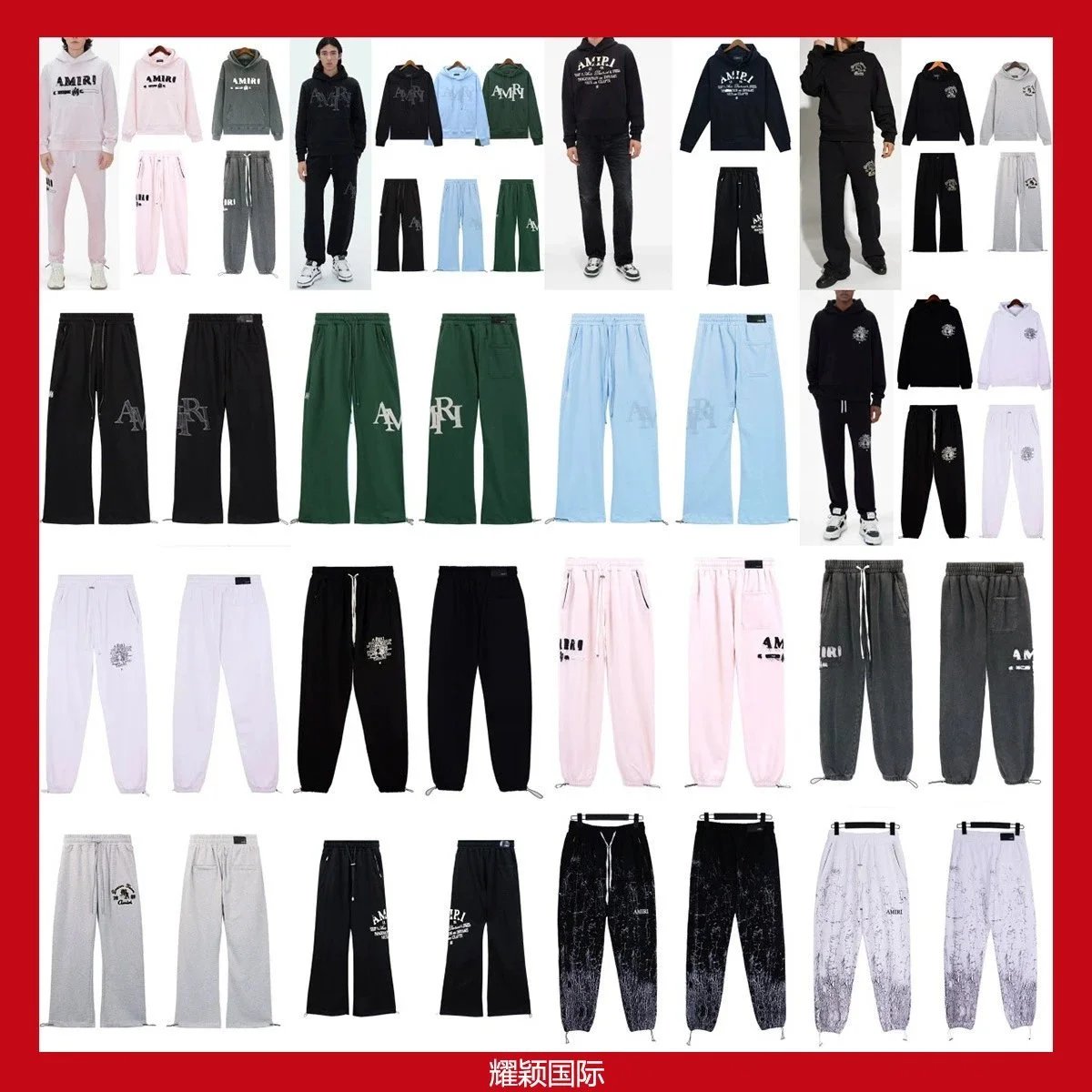
Graphic Hoodies and Sweatpants Collection LH25 Unisex | Oopbuy spreadsheet | Hipobuy spreadsheet - 140989

Sneakers 2025 Skate Sneakers | MyCNBox spreadsheet | iTaoBuy spreadsheet | USFans spreadsheet - 135965