Cafans Journal
Stories & FindsEnglish CAFANS Guide: Using the CSSBuy Spreadsheet for Smarter Shopping
If you have spent any time browsing agent-based shopping communities, you have probably come across the term CAFANS. In this English CAFANS guide, we focus on one practical skill that makes the whole experience smoother: reading and using the cssbuy spreadsheet. Whether you are a first-time buyer or an experienced hauler, the spreadsheet is the quickest route from an interesting item to a working cssbuy product link, and this cssbuy guide will walk you through it step by step.
What Is the CSSBuy Spreadsheet?
A cssbuy spreadsheet is a shared database, usually hosted as a spreadsheet or a linked web page, that lists products with their prices, sizes, colors, seller information, and QC (quality check) notes. Instead of scrolling through endless chat messages or social media posts, you open the sheet, filter by category, and copy the link into the CSSBuy platform. The spreadsheet is essentially a curated catalog built by the community, so it works as a shortcut for a cssbuy shopping guide without requiring you to hunt down every item manually.
Because the sheet is maintained by volunteers, it changes often. New rows are added, dead links are removed, and price notes are updated. That is why a dedicated cssbuy spreadsheet guide is worth reading before you start: it explains the structure, the column meanings, and how to confirm that a row is still valid.
Why Use a CSSBuy Spreadsheet?
The main advantage is efficiency. A spreadsheet compresses hours of research into minutes. You can sort by category, compare prices across sellers, and check whether an item has been reviewed. Second, it improves accuracy: instead of guessing a product ID, you copy the exact link listed in the sheet. Third, it supports planning. Many sheets include estimated weight and shipping notes, which help you build a realistic budget before you order.
For anyone following a cssbuy guide for the first time, the spreadsheet also acts as a safety net. Rows that have been flagged as unreliable are usually marked, and popular items often carry notes about sizing and material quality. This is community knowledge at work.
How to Read the Columns
Most cssbuy spreadsheet versions share a similar layout. Typical columns include:
- Item name – a short description such as hoodie, sneaker, or tote bag.
- Category – clothing, footwear, accessories, home goods, and so on.
- Product link – the direct URL you paste into CSSBuy.
- Price – usually in CNY, sometimes with an approximate USD conversion.
- Seller or store – the marketplace shop name.
- Weight estimate – useful for shipping calculations.
- QC status – notes on whether the item has been quality-checked.
- Date added – a freshness indicator.
- Notes – sizing tips, color options, or warnings.
When you open a cssbuy product link, confirm that the title, price, and options match the row. Sellers sometimes reuse links for different variants, so a quick visual check prevents ordering the wrong item.
Step-by-Step: From Spreadsheet to Order
Step 1 – Open the sheet. Use the official or community-maintained version linked from trusted CSSBuy guides. Avoid random copies, which may contain outdated or manipulated data.
Step 2 – Filter by category. Use the search function or filter views. If you are building a haul, sorting by weight helps you estimate shipping early.
Step 3 – Copy the product link. Paste it into the CSSBuy search or link submission box. The platform will pull up the item page for ordering.
Step 4 – Check options. Select size, color, and quantity. Compare the listed price with the live price; currency and promotions can shift.
Step 5 – Add notes. If the sheet mentions a sizing tip, include it in your order remarks so the agent can confirm with the seller.
Step 6 – Submit and track. After payment, monitor the order status. When the item reaches the warehouse, review the QC photos before approving shipment.
Tips for a Smooth Experience
First, always cross-check a row against the live listing. A cssbuy shopping guide is only useful if the data is current, and the sheet is a starting point, not a guarantee. Second, keep your own shortlist: copy the rows you like into a personal tab with the date. Third, watch for duplicate links and dead links; report them if the sheet has a feedback channel. Fourth, use the weight column to group heavy items together and avoid splitting a shipment unnecessarily. Fifth, read the QC notes carefully, because a low price sometimes reflects a lower grade.
It also helps to learn the vocabulary used in the sheet. Terms like “batch,” “agent,” “haul,” “warehouse,” “consolidation,” “declare,” “customs,” “rehearsal,” “domestic shipping,” “international shipping,” “service fee,” “recharge,” “refund,” “exchange,” “seller rating,” “review photo,” “size chart,” “colorway,” “restock,” “preorder,” “in stock,” “out of stock,” “variant,” “SKU,” “coupon,” “discount,” “insurance,” “tracking number,” “parcel,” and “QC” appear frequently. Recognizing them makes the cssbuy spreadsheet guide much easier to follow.
Common Mistakes to Avoid
Do not assume the spreadsheet price is final. Agent fees, domestic shipping, and international freight are separate. Do not order from a row marked as unverified without checking recent feedback. Do not ignore the size chart, especially for footwear. Do not consolidate fragile items with heavy ones without protective packaging. And do not skip the QC step: once a parcel leaves the warehouse, returns become difficult.
Final Thoughts
The cssbuy spreadsheet is one of the most useful tools in the agent shopping ecosystem, and pairing it with a clear cssbuy guide turns a confusing process into a repeatable routine. Use the sheet to find items, copy the cssbuy product link, verify the live listing, and follow the cssbuy shopping guide steps above. With a little practice, the cssbuy spreadsheet guide becomes second nature, and your hauls get faster, cheaper, and more predictable.
Editor's selection
Popular Products
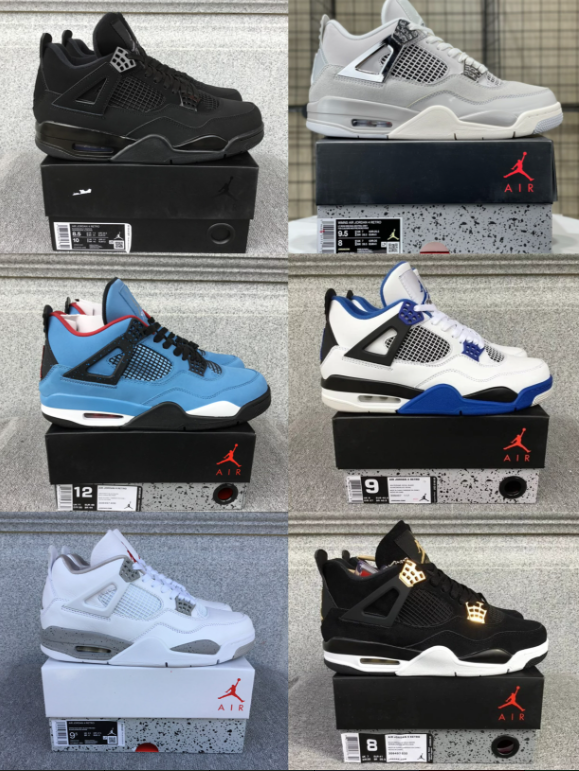
Outdoor Casual Sneakers | Hipobuy spreadsheet | OOTDBuy spreadsheet | JoyaGoo spreadsheet - 141223
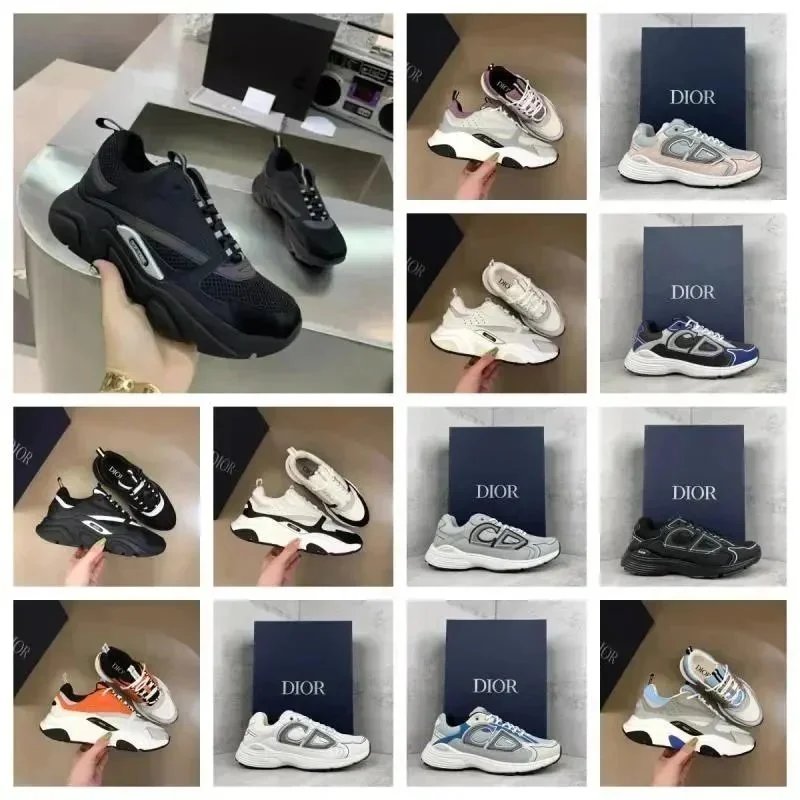
Sneakers B22 B30 Unisex Classic Sneakers | UIDBuy spreadsheet | BBDBuy spreadsheet - 135717

Sneakers 04 Classic Sneakers | LoongBuy spreadsheet | JoyaGoo spreadsheet | USFans spreadsheet - 135678

Shoes Ph076 Breathable Running Shoes | CSSBuy spreadsheet | LoongBuy spreadsheet - 136150
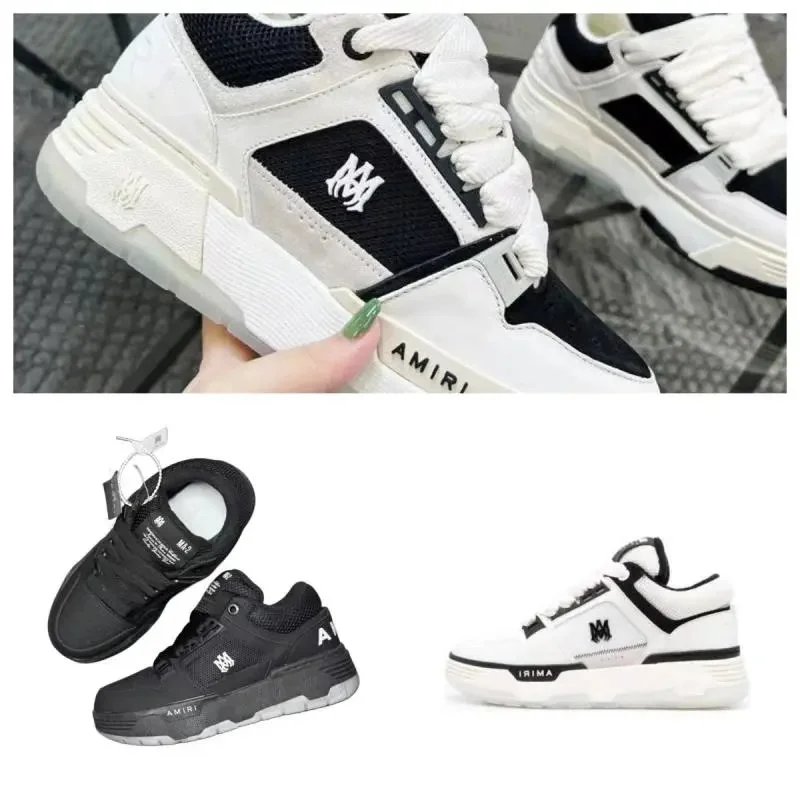
Sneakers P-0100 Unisex Sneakers | Kakobuy spreadsheet | BBDBuy spreadsheet | MyCNBox spreadsheet - 136114
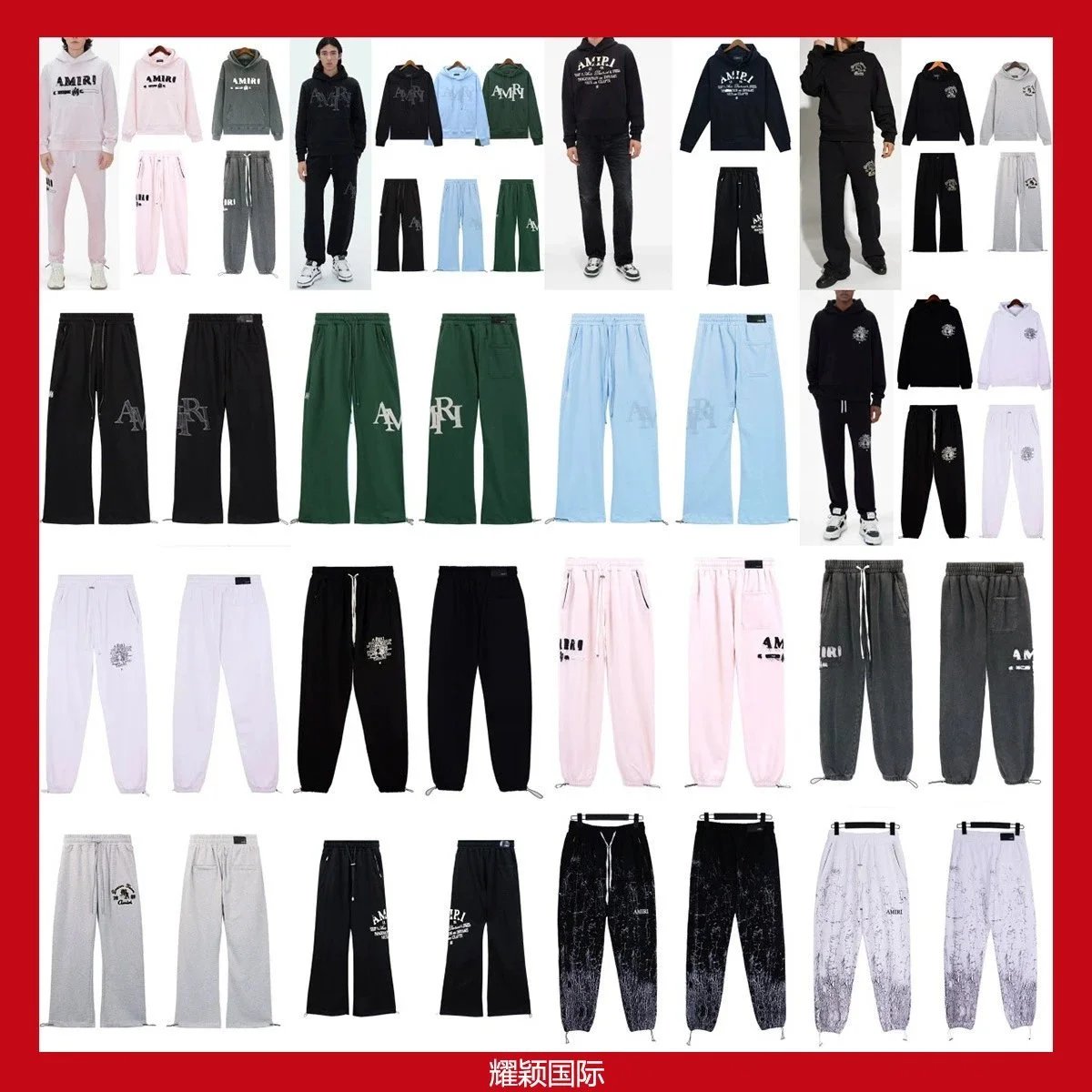
Graphic Hoodies and Sweatpants Collection LH25 Unisex | Oopbuy spreadsheet | Hipobuy spreadsheet - 140989

Sneakers 2025 Skate Sneakers | MyCNBox spreadsheet | iTaoBuy spreadsheet | USFans spreadsheet - 135965