Cafans Journal
Stories & FindsLoloBuy CAFANS Guide: A Complete 1000-Word Walkthrough for Smart Shoppers
LoloBuy CAFANS Guide: A Complete Walkthrough for Smart Shoppers
If you have spent any time browsing agent shopping platforms, you have probably run into the term CAFANS. In this LoloBuy guide, we break down what CAFANS means, how it fits into the wider LoloBuy ecosystem, and how to combine it with a LoloBuy spreadsheet, verified LoloBuy product links, and a disciplined LoloBuy shopping guide mindset. By the end, you should be able to plan a haul with confidence, avoid common pitfalls, and make every order count.
What Is LoloBuy?
LoloBuy is a shopping agent service that lets you buy from Chinese marketplaces and brand stores that do not ship internationally on their own. You paste a product link, the agent purchases the item on your behalf, receives it at a warehouse, and then forwards it to your address. The appeal is straightforward: access to a huge catalog, consolidated shipping, quality-control photos, and flexible parcel options.
That is the simple version. The real value comes from understanding the workflows around the platform: how to find items, how to verify sellers, how to read QC images, and how to estimate shipping before you commit. Those workflows are exactly where CAFANS comes in.
What Does CAFANS Mean?
CAFANS is a community shorthand that refers to the CAFANS spreadsheet and the associated shopping resources used by experienced LoloBuy users. Rather than scrolling endlessly through marketplace search results, shoppers use curated sheets that collect verified product links, category listings, seller notes, and price ranges. Think of it as a shared map of the catalog, maintained by people who have already done the hard work of testing links and checking quality.
In practice, CAFANS functions as a discovery layer. It does not replace LoloBuy itself; it sits in front of it. You browse the sheet, shortlist items, then move to LoloBuy to place the actual order. That separation keeps research organized and makes it much easier to compare options across categories.
Why Use a LoloBuy Spreadsheet?
A LoloBuy spreadsheet is the backbone of efficient haul planning. Instead of keeping twenty browser tabs open, you work from a single structured document. Good sheets typically include item names, category tags, seller ratings, price bands, size charts, and direct product links. Some also include QC notes or fit warnings from previous buyers.
The benefits are practical:
- Comparison: Sort by price, category, or seller to find the best option fast.
- Traceability: Keep a record of what you ordered, from which link, and at what price.
- Quality signals: Community annotations flag unreliable sellers and highlight consistent ones.
- Budget control: Seeing totals in one place prevents accidental overspending.
Always cross-check a sheet entry against the live listing. Prices change, links expire, and sellers rotate inventory. A spreadsheet is a starting point, not a guarantee.
How to Use LoloBuy Product Links Safely
LoloBuy product links are the bridge between discovery and purchase. When you copy a link from a sheet, verify a few things before paying:
- Open the link and confirm the item matches the sheet description. Photos, colors, and variants can drift over time.
- Check the seller store rating and recent reviews. A high item rating with a weak store rating deserves caution.
- Review the size chart and variant options carefully. Agent platforms generally cannot handle returns easily, so precision matters.
- Read the listing notes for shipping delays or pre-order status. Pre-sale items can hold up an entire parcel.
- Save the link in your own tracking sheet so you can reference it if a dispute arises.
If a link is dead or the listing has changed substantially, treat the sheet entry as outdated and look for an alternative. Community sheets are usually updated, but not instantly.
A Practical LoloBuy Shopping Guide
Here is a step-by-step workflow that combines everything above into a repeatable routine.
Step 1: Plan Your Categories
Start with a clear list of what you actually need: sneakers, hoodies, accessories, bags, home goods, or electronics accessories. Resist the urge to browse aimlessly. A focused list keeps shipping weight manageable and reduces impulse buys.
Step 2: Research with the Spreadsheet
Use the CAFANS sheet or another trusted LoloBuy spreadsheet to build a shortlist. Note two or three alternatives per item so you have backups if a link fails or a seller runs out of stock.
Step 3: Verify on LoloBuy
Paste each shortlisted LoloBuy product link into the platform, confirm the variant, size, and price, and add it to your cart. Take a screenshot of the order summary for your records.
Step 4: Request QC Photos
When items arrive at the warehouse, review the QC photos closely. Check stitching, prints, color accuracy, measurements, and any visible defects. If something looks wrong, ask questions before approving international shipping.
Step 5: Consolidate and Ship
Compare shipping lines for cost, speed, and customs reliability. Remove unnecessary packaging to reduce volumetric weight. Declare accurately and understand your local import rules.
Step 6: Review and Update
After delivery, note what worked and what did not. Feed that information back into your own sheet. Over time, your personal spreadsheet becomes more valuable than any generic list.
Common Mistakes to Avoid
New shoppers often make predictable errors. Buying from unverified links, ignoring size charts, ordering pre-sale items alongside in-stock goods, and underestimating shipping weight are the big four. Another frequent issue is treating a spreadsheet as gospel. Sheets are community tools, not official catalogs; verify everything yourself.
Also be realistic about timelines. Agent shopping involves two shipping legs, and warehouse processing takes time. Budget extra days around holidays and peak sales events.
Final Thoughts
CAFANS is best understood as a research layer that makes LoloBuy more efficient. Use the spreadsheet to discover, the product links to verify, and a disciplined shopping guide to execute. Keep records, check QC photos, and plan shipping before you buy. Do that consistently, and your hauls will be smoother, cheaper, and far less stressful.
Editor's selection
Popular Products

Sneakers B22 B30 Unisex Classic Sneakers | UIDBuy spreadsheet | BBDBuy spreadsheet - 135717

Outdoor Casual Sneakers | Hipobuy spreadsheet | OOTDBuy spreadsheet | JoyaGoo spreadsheet - 141223

Sneakers 04 Classic Sneakers | LoongBuy spreadsheet | JoyaGoo spreadsheet | USFans spreadsheet - 135678

Sneakers P-0100 Unisex Sneakers | Kakobuy spreadsheet | BBDBuy spreadsheet | MyCNBox spreadsheet - 136114
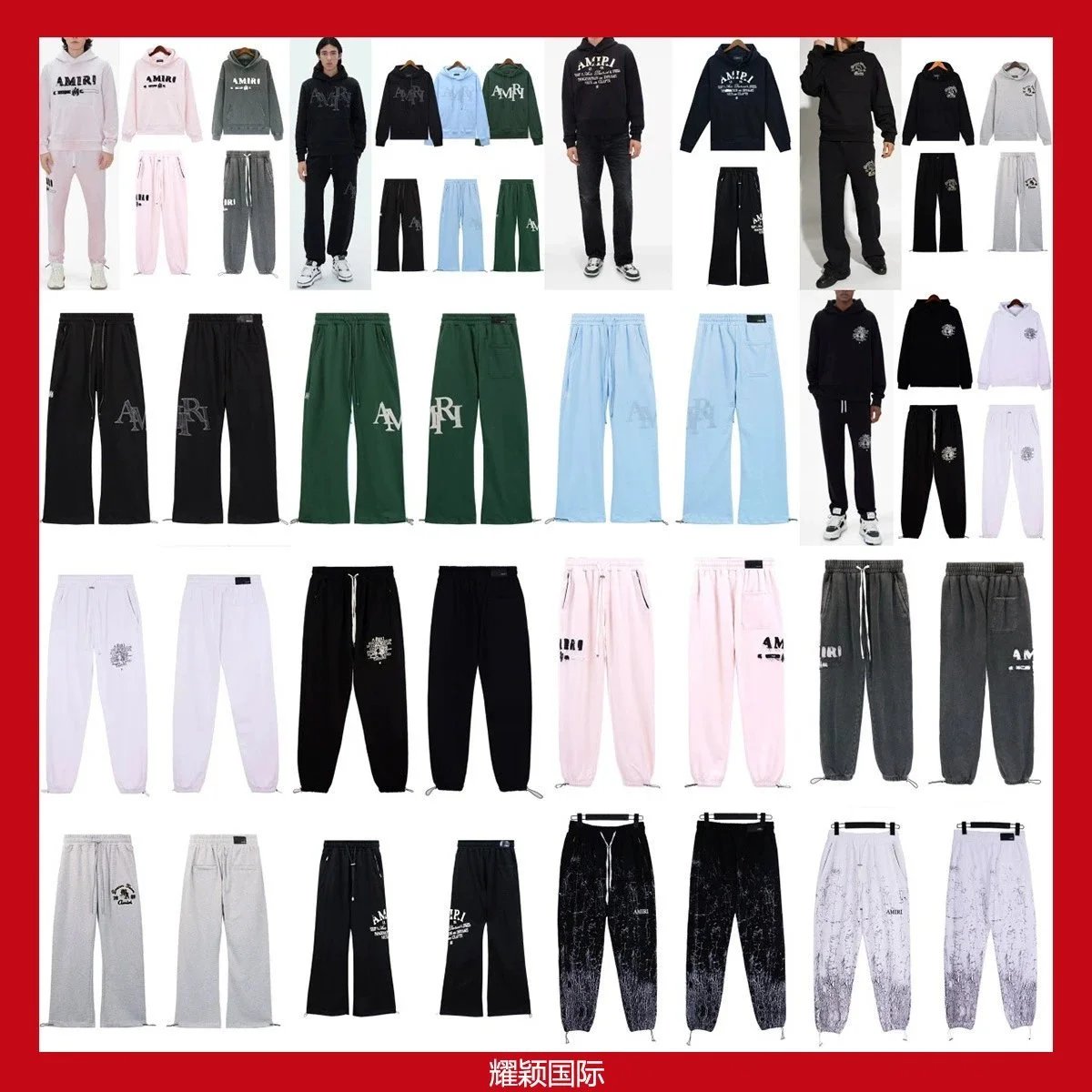
Graphic Hoodies and Sweatpants Collection LH25 Unisex | Oopbuy spreadsheet | Hipobuy spreadsheet - 140989

Sneakers 2025 Skate Sneakers | MyCNBox spreadsheet | iTaoBuy spreadsheet | USFans spreadsheet - 135965
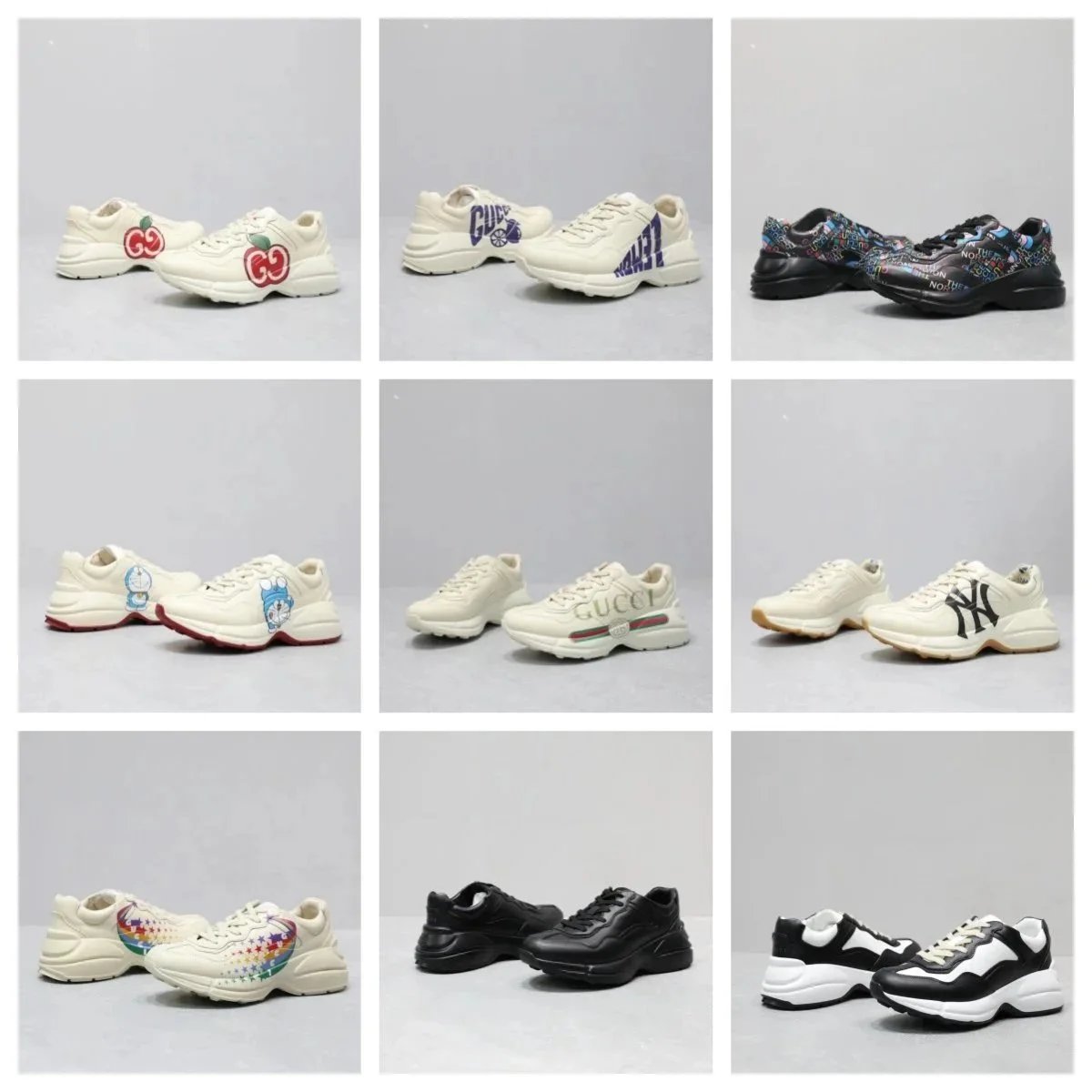
Sneakers BY03-CY Unisex Chunky Sneakers | Wheebuy spreadsheet | Lovegobuy spreadsheet - 141219