Cafans Journal
Stories & FindsSugargoo Guide: How to Shop, Find Links, and Use the Spreadsheet
What Is Sugargoo?
Sugargoo is a shopping agent that lets international buyers purchase items from Chinese marketplaces and have them consolidated, inspected, and shipped worldwide. It is popular with sneaker and streetwear communities because it opens up listings that are hard to reach outside China. This Sugargoo guide explains how the platform works, how to use the Sugargoo spreadsheet, where to find Sugargoo product links, and how to plan a smooth order.
How the Sugargoo Buying Process Works
The flow is straightforward. You paste a product link into the search bar, choose size and color, and submit an order. Sugargoo buys the item from the seller and sends it to its warehouse. Once it arrives, staff photograph and measure the item, and you decide whether to keep, exchange, or return it. After everything is in your warehouse, you select the items you want and submit a parcel for international shipping.
Key steps in any Sugargoo shopping guide:
- Register and top up your balance using a supported payment method.
- Paste a link or search for the item on a supported marketplace.
- Pay for the order and wait for domestic delivery to the warehouse.
- Review QC photos and approve, exchange, or refund.
- Consolidate items and choose a shipping line.
- Declare and ship, then track the parcel.
Finding Sugargoo Product Links
Sugargoo product links come from supported platforms such as Taobao, Weidian, 1688, and JD. You can paste a direct URL, use the search box, or upload an image for a reverse search. Links shared in community chats and forums are common starting points, but always confirm the seller rating, return policy, and recent buyer photos. When a link is dead, ask the seller or look for an updated listing before paying.
Using the Sugargoo Spreadsheet
The Sugargoo spreadsheet is one of the most useful community tools. It is a shared list of product links, usually organized by category such as hoodies, tees, jackets, pants, sneakers, bags, and accessories. Each row typically includes a photo, a short description, price, seller, and a working link.
How to get the most from it:
- Filter by category to avoid scrolling through unrelated items.
- Check the date on links, since older rows may be sold out.
- Compare prices across sellers before ordering.
- Save candidates to a wishlist or notes app.
- Verify with QC photos after the item reaches the warehouse.
The spreadsheet is a discovery aid, not a guarantee. Treat it as a starting point, then do your own checks on sizing charts and seller feedback.
Warehouse Inspection and QC Photos
Inspection is where an agent adds the most value. Sugargoo provides standard photos and optional detailed shots for a small fee. Check stitching, printing, labels, measurements, and color accuracy. If something looks wrong, request an exchange or return before shipping internationally, because returns are much harder once the parcel leaves the warehouse.
Consolidation and Shipping Tips
Consolidation combines multiple warehouse items into one parcel to reduce cost. Choose a shipping line based on your country, budget, and speed preference. Declare a reasonable value, review restricted items, and consider insurance for expensive hauls. Weigh the trade-off between cheap economy lines and faster courier options, and always check the latest line restrictions before submitting.
Common Mistakes to Avoid
- Ordering without checking the size chart.
- Skipping QC photos to save a small fee.
- Using expired spreadsheet links without confirming stock.
- Forgetting about warehouse storage time limits.
- Under-declaring parcels and risking customs issues.
Final Takeaways
Sugargoo is a practical gateway to Chinese marketplaces when you understand the process. Use this Sugargoo guide as a checklist, lean on the Sugargoo spreadsheet for discovery, verify Sugargoo product links before paying, and follow the Sugargoo shopping guide steps for inspection and shipping. With careful QC and sensible consolidation, first-time buyers can shop confidently and avoid the most common pitfalls.
Editor's selection
Popular Products
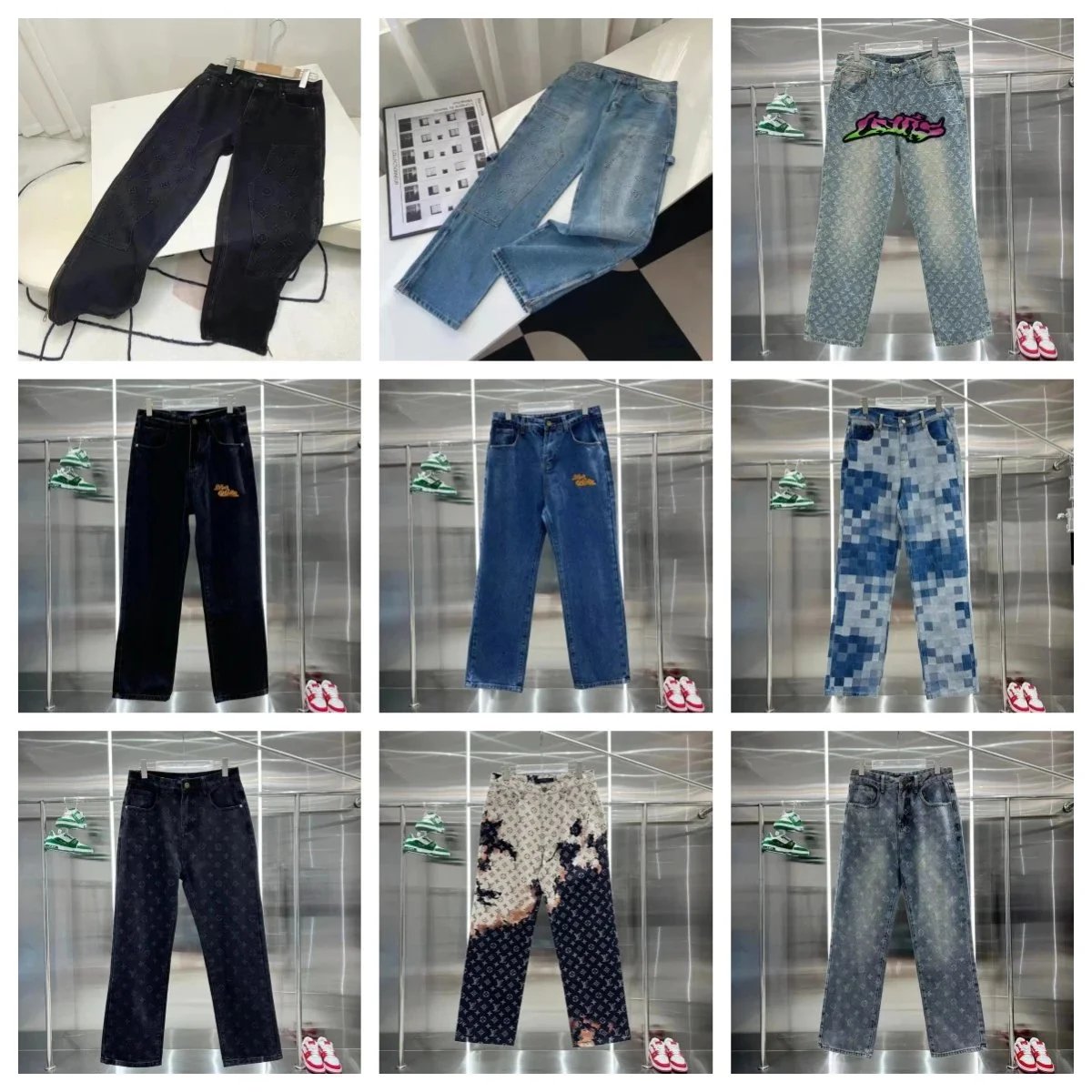
Pants Pants 001 | iTaoBuy spreadsheet | Wheebuy spreadsheet | Oopbuy spreadsheet - 141036

Outdoor Casual Sneakers | Hipobuy spreadsheet | OOTDBuy spreadsheet | JoyaGoo spreadsheet - 141223

Sneakers B22 B30 Unisex Classic Sneakers | UIDBuy spreadsheet | BBDBuy spreadsheet - 135717

Sneakers 04 Classic Sneakers | LoongBuy spreadsheet | JoyaGoo spreadsheet | USFans spreadsheet - 135678

Sneakers P-0100 Unisex Sneakers | Kakobuy spreadsheet | BBDBuy spreadsheet | MyCNBox spreadsheet - 136114
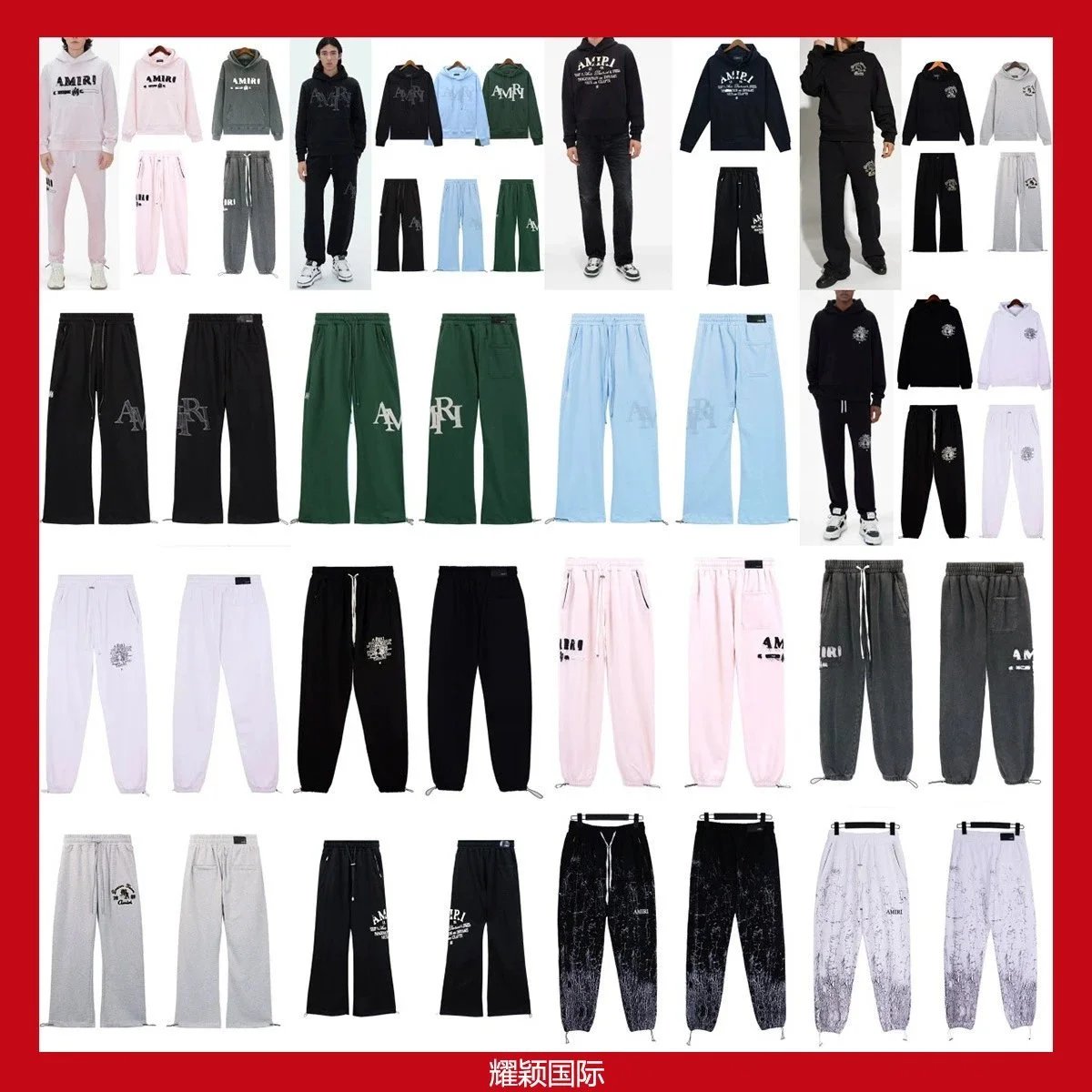
Graphic Hoodies and Sweatpants Collection LH25 Unisex | Oopbuy spreadsheet | Hipobuy spreadsheet - 140989

Sneakers 2025 Skate Sneakers | MyCNBox spreadsheet | iTaoBuy spreadsheet | USFans spreadsheet - 135965