Cafans Journal
Stories & FindsParcel Up: The Complete English CAFANS Guide to Smarter Parcel Consolidation
Parcel Up: The Complete English CAFANS Guide
If you ship, reship, or forward parcels across borders, Parcel Up is a term worth understanding. This English CAFANS guide explains what Parcel Up is, how a Parcel Up spreadsheet keeps your shipments organized, and how to use a Parcel Up guide and Parcel Up product links to build a reliable Parcel Up shopping guide workflow from start to finish.
What Is Parcel Up?
Parcel Up refers to the practice of consolidating multiple smaller parcels into a single shipment to reduce shipping costs, simplify customs paperwork, and cut down on handling. In a CAFANS (cost, address, freight, automation, notification, storage) framework, Parcel Up sits at the center: you combine orders, verify addresses, compare freight options, automate tracking, send notifications, and manage warehouse storage — all in one controlled process.
Whether you are a reseller, a group-buy organizer, or an individual shopper, Parcel Up helps you avoid paying for five separate shipments when one consolidated box will do.
Why Use a Parcel Up Spreadsheet?
A Parcel Up spreadsheet is the backbone of any organized consolidation workflow. Instead of scattered notes and chat messages, a single spreadsheet gives you one source of truth. A well-built Parcel Up spreadsheet typically includes:
- Order ID and tracking number for every inbound parcel
- Seller or store name, item description, and declared value
- Weight and dimensions so you can estimate consolidation savings
- Warehouse arrival date and free-storage deadline
- Consolidation batch number linking parcels to a single outbound shipment
- Status column (ordered, shipped, arrived, inspected, packed, dispatched)
- Cost columns for item price, domestic shipping, international freight, and insurance
With a Parcel Up spreadsheet, you can spot duplicate orders, catch missing tracking numbers, and calculate the real cost per item after consolidation. Add a summary tab with formulas for total weight, total declared value, and estimated freight, and you have a lightweight logistics dashboard.
Building Your Parcel Up Guide
Every good Parcel Up guide follows the same practical sequence. Start by setting a consolidation window — for example, seven to fourteen days — so parcels can arrive before you pack. Next, confirm each seller ships to your warehouse address with a trackable service; untracked parcels are the most common cause of lost items during consolidation.
Then inspect and record. Weigh each parcel, photograph the label, and log it in your Parcel Up spreadsheet the day it arrives. When the window closes, group parcels by destination, remove unnecessary packaging, and request repacking. Finally, compare carriers, choose the service that balances speed and cost, and keep the outbound tracking number linked to every inbound order ID.
A strong Parcel Up guide also covers restrictions: batteries, liquids, magnets, and branded goods may face carrier limits. Check prohibited-item lists before consolidation so a single non-compliant item does not delay the whole batch.
Using Parcel Up Product Links
Parcel Up product links are the URLs you collect for each item you plan to buy or consolidate. Keeping them in your spreadsheet makes reordering, price comparison, and dispute resolution far easier. Save the product page link, the variant you selected (size, color, capacity), and a screenshot of the listing. If a seller changes the page or delists an item, your saved Parcel Up product links become evidence for claims and refunds.
For high-volume buyers, a consistent link format — store name, item ID, and variant code — prevents confusion when the same product appears across multiple marketplaces.
A Practical Parcel Up Shopping Guide
This Parcel Up shopping guide section focuses on buying decisions that make consolidation worthwhile. Buy in compatible batches: items from the same region reduce domestic shipping legs, and lightweight accessories fill the empty space around bulkier goods. Avoid mixing fragile ceramics with heavy tools unless you plan extra padding. Track seasonal demand so your consolidation window does not collide with holiday carrier surcharges.
Common categories that benefit from Parcel Up include apparel and footwear, phone accessories and chargers, home organization items, kitchen gadgets, stationery, pet supplies, small electronics, cosmetics and skincare, toys and hobby kits, and fitness accessories. For each category, note whether the item is bulky, fragile, or restricted, and record that in your spreadsheet before checkout.
Common Mistakes to Avoid
The most frequent errors are simple: forgetting to log a tracking number, missing the free-storage deadline, declaring inaccurate values, and mixing restricted items into a consolidated box. Others include over-packing until volumetric weight exceeds actual weight, and failing to photograph parcels before repacking. A disciplined Parcel Up spreadsheet and a written Parcel Up guide eliminate most of these problems.
Final Checklist
- Set your consolidation window and storage deadline.
- Log every parcel in the Parcel Up spreadsheet on arrival.
- Save Parcel Up product links with variant details and screenshots.
- Verify carrier restrictions before packing.
- Photograph, weigh, and repack with protection.
- Compare freight quotes and insure high-value batches.
- Share outbound tracking with all recipients.
Follow this English CAFANS guide, and Parcel Up becomes a repeatable, cost-effective routine rather than a logistical headache.
Editor's selection
Popular Products

Shoes Ph076 Breathable Running Shoes | CSSBuy spreadsheet | LoongBuy spreadsheet - 136150

LL55 Earphones, Watches and Chargers | LoongBuy spreadsheet | iTaoBuy spreadsheet - 136789

Men's Casual Shoes | CSSBuy spreadsheet | Kakobuy spreadsheet | Rizzitgo spreadsheet - 135435

Casual Shoes | Kakobuy spreadsheet | Hubbuycn spreadsheet | CNShopper spreadsheet - 136046
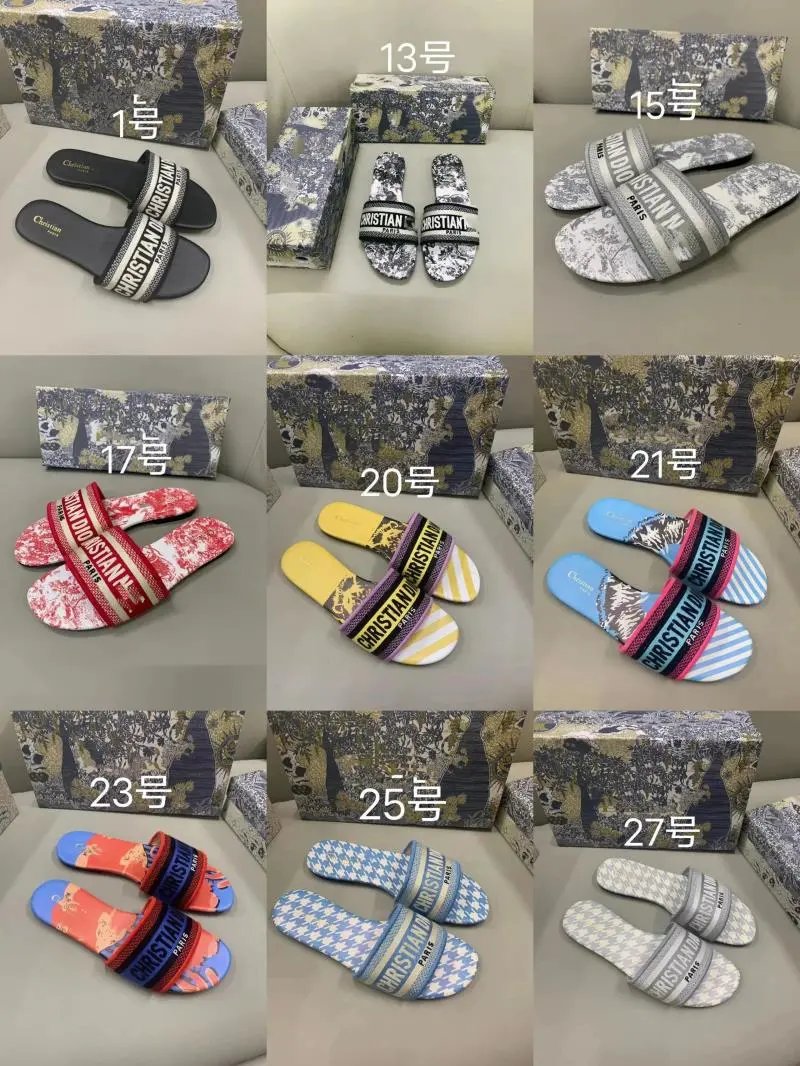
DS Slippers | Wheebuy spreadsheet | LoongBuy spreadsheet | Lovegobuy spreadsheet - 135724

Socks SP2.0 and 3XL Footwear Selection | Kakobuy spreadsheet | iTaoBuy spreadsheet - 152125
Socks SP2.0 and 3XL Footwear Selection | Hubbuycn spreadsheet | Rizzitgo spreadsheet - 152124