Cafans Journal
Stories & FindsThe English CAFANS Guide: Smarter Shopping with OOTDBuy
If you have spent any time in online shopping communities, you have probably seen the term CAFANS floating around. This English CAFANS guide explains what the term means in practice, how to use it alongside OOTDBuy, and how to build a reliable workflow for finding, checking, and buying products without wasting time or money.
What Does CAFANS Mean?
CAFANS is best understood as a checklist mindset for online buyers. Each letter stands for a step in a disciplined purchasing routine: Confirm the item and its details, Assess quality and seller reputation, Find the best price and shipping option, Analyze reviews and real photos, Notify yourself about timing and tracking, and Save the purchase for future reference. It is not a brand or a store; it is a habit that turns random browsing into a repeatable process.
This guide uses OOTDBuy as the working platform for each step, because it supports product discovery, curation, and price comparison in one place. The goal is simple: fewer impulse buys, fewer disappointments, and more consistent value.
Why Use OOTDBuy for CAFANS Shopping?
The main advantage of OOTDBuy is organization. Instead of juggling dozens of browser tabs, you can keep candidates, notes, and alternatives together. That fits the CAFANS philosophy perfectly. A short OOTDBuy guide like this one helps you set up a routine you can repeat for sneakers, jackets, bags, gadgets, and home items.
Another benefit is visibility. When you compare listings side by side, you notice details that are easy to miss: material composition, sizing charts, shipping estimates, and return policies. Those details are exactly what the CAFANS checklist is designed to catch.
Step 1: Confirm the Item
Before anything else, write down what you actually need. A vague goal like "a new jacket" leads to scattered results. A specific goal like "a waterproof shell jacket, size M, under a set budget" gives you a filter. Use the OOTDBuy shopping guide categories to narrow the field, then confirm the essential specifications: measurements, materials, color options, and included accessories.
At this stage, collect OOTDBuy product links for every candidate. Keep them in one place so you can return later without searching again.
Step 2: Assess Quality and Sellers
Quality assessment is where most buyers rush. Slow down. Check the seller's history, the number of completed orders, and the response style in the Q&A section. Look for consistency: does the listing description match the photos? Are the measurements realistic? A reputable listing usually provides clear sizing tables and multiple angles.
Save your findings in an OOTDBuy spreadsheet. A simple row per product with columns for price, seller rating, material, shipping time, and notes will quickly reveal which options are worth keeping.
Step 3: Find the Best Price and Shipping
Price is not just the number on the listing. Add shipping, taxes, and potential return costs. Compare the total landed cost rather than the sticker price. Shipping time matters too: a slightly cheaper item that arrives three weeks later may not be worth the wait if you need it soon.
Use the OOTDBuy comparison view to line up total costs. Note seasonal promotions and coupon codes, but do not let a discount push you toward an item that fails the earlier steps.
Step 4: Analyze Reviews and Real Photos
Reviews are the closest thing to seeing the product in person. Prioritize reviews with photos, detailed sizing feedback, and comments about durability after weeks of use. Ignore generic five-star comments with no detail. Look for patterns: if several buyers mention the same flaw, treat it as real.
Record review insights in your spreadsheet. A short note like "runs small, order one size up" saves you from a return later.
Step 5: Notify Yourself About Timing
Set reminders for sales events, restock dates, and shipping cutoffs. If you are buying a gift, work backward from the date you need it. Add tracking information to your notes once you order, and keep the order confirmation in the same folder as your OOTDBuy product links.
Step 6: Save and Review
The final step is the most overlooked. Save completed purchases and their outcomes. Did the item match the description? Was the sizing accurate? Would you buy from that seller again? Over time, this record becomes a personal OOTDBuy guide that is far more useful than any generic list.
A Simple Spreadsheet Template
Your OOTDBuy spreadsheet does not need to be complicated. Use these columns: product name, link, category, price, shipping cost, total cost, seller rating, material, size, review notes, order date, delivery date, and verdict. Sort by total cost, then by seller rating. This single sheet supports every CAFANS step and keeps your OOTDBuy shopping guide process transparent.
Common Mistakes to Avoid
First, buying before confirming measurements. Second, trusting a single review. Third, ignoring return policy details. Fourth, letting a countdown timer rush your decision. Fifth, skipping the save-and-review step, which means you repeat the same mistakes next season. The CAFANS routine exists to prevent all five.
Final Thoughts
The English CAFANS guide is less about rules and more about rhythm. Confirm, assess, find, analyze, notify, save. Used with OOTDBuy, this rhythm turns scattered browsing into a calm, informed purchase. Start with one category, build your spreadsheet, and let the process do the work. The best shopping guide is the one you actually follow, and CAFANS is designed to be followed.
Editor's selection
Popular Products
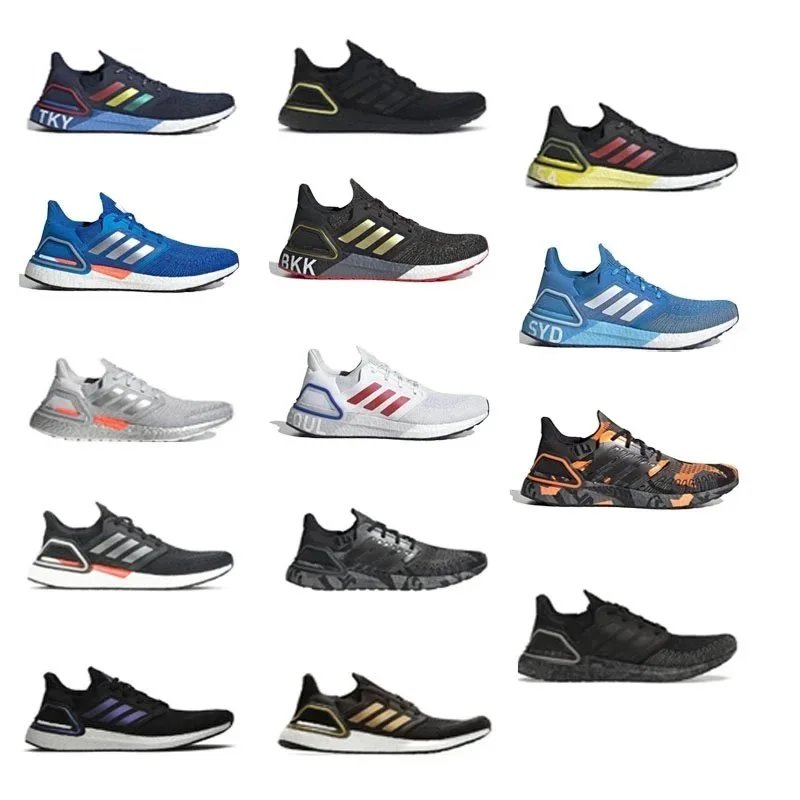
Outdoor Casual Sneakers | Hipobuy spreadsheet | OOTDBuy spreadsheet | JoyaGoo spreadsheet - 141223
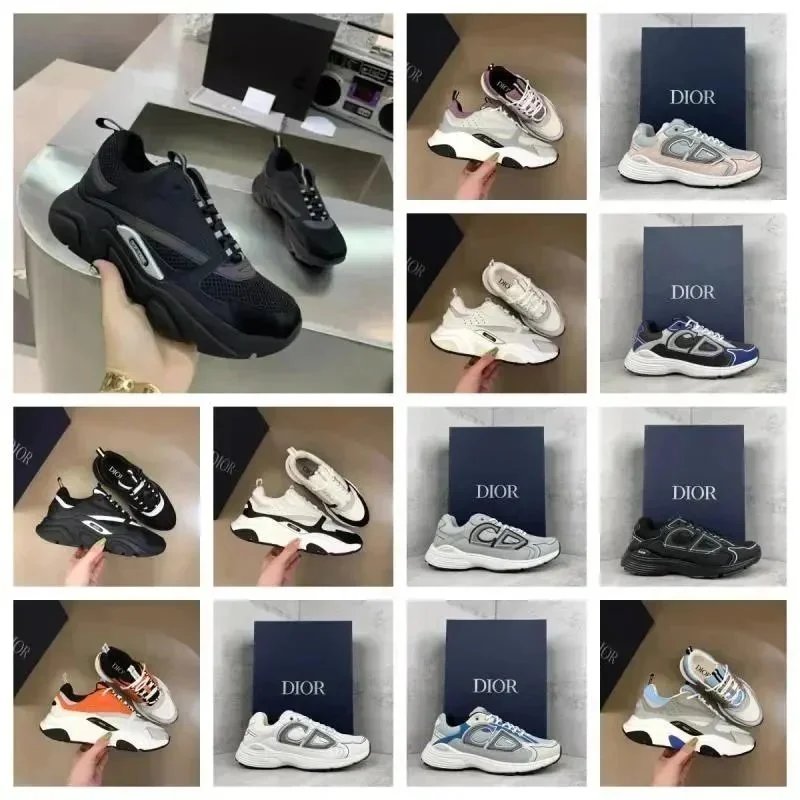
Sneakers B22 B30 Unisex Classic Sneakers | UIDBuy spreadsheet | BBDBuy spreadsheet - 135717
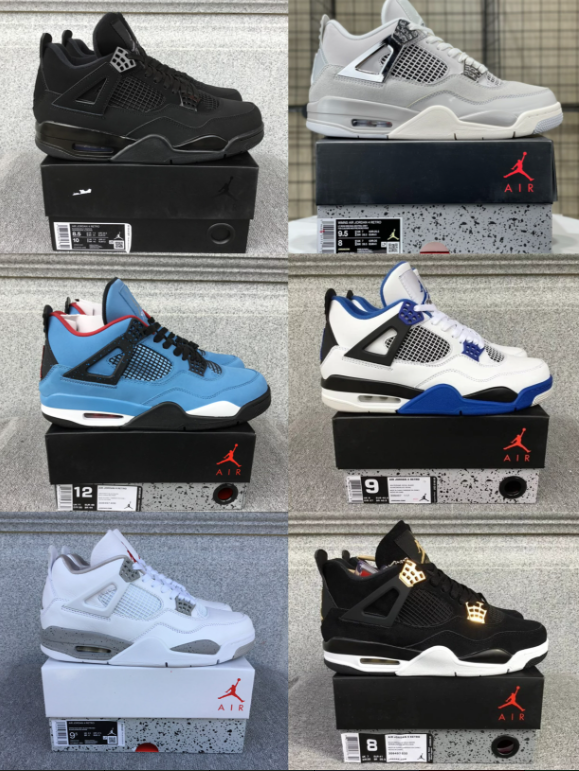
Sneakers 04 Classic Sneakers | LoongBuy spreadsheet | JoyaGoo spreadsheet | USFans spreadsheet - 135678
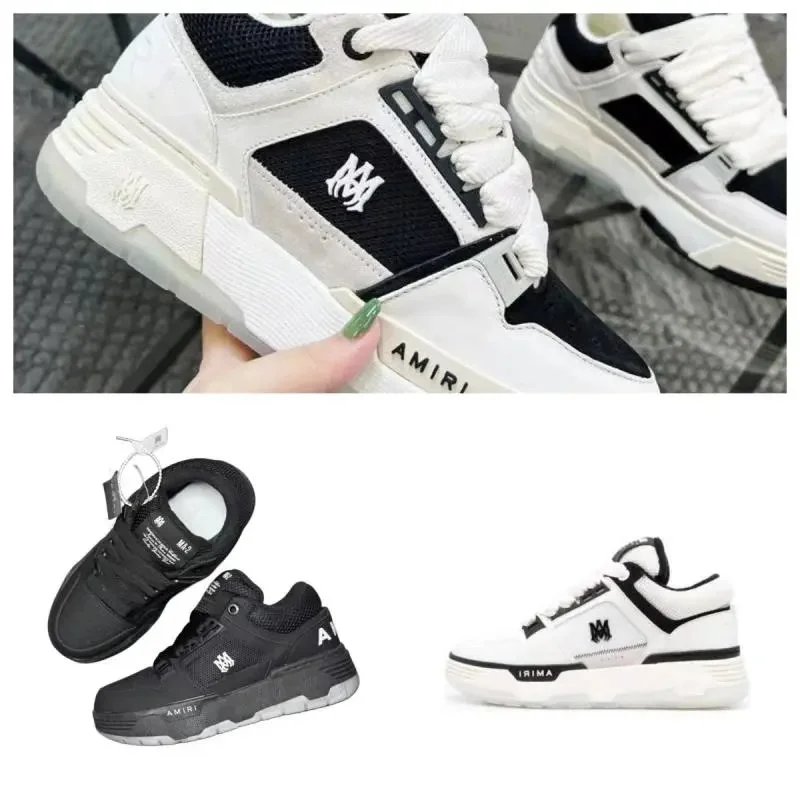
Sneakers P-0100 Unisex Sneakers | Kakobuy spreadsheet | BBDBuy spreadsheet | MyCNBox spreadsheet - 136114

Sneakers 2025 Skate Sneakers | MyCNBox spreadsheet | iTaoBuy spreadsheet | USFans spreadsheet - 135965
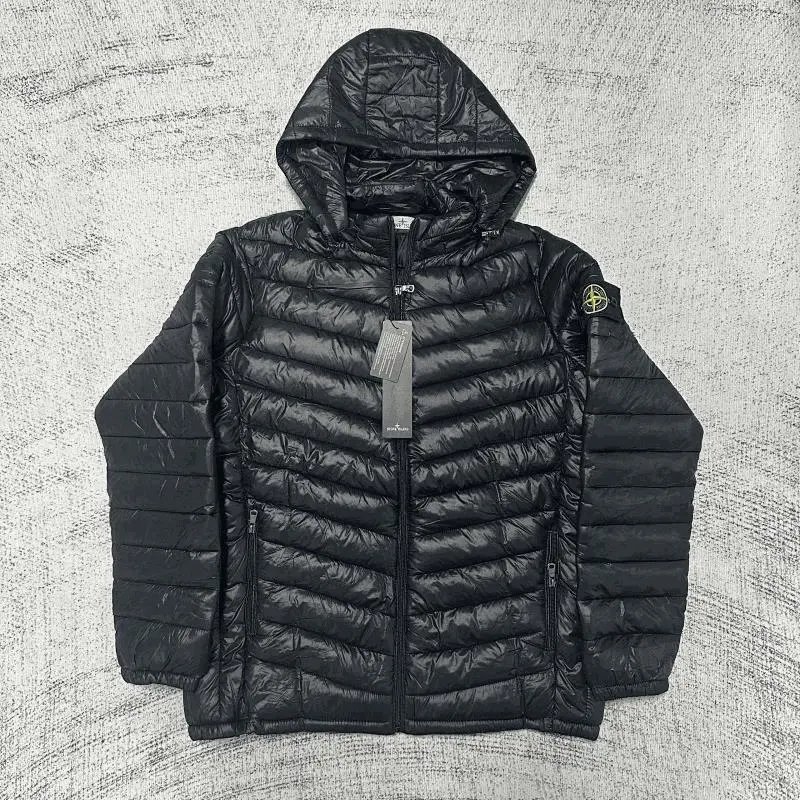
Winter Loose Down Jackets, Sweatshirts and Sweaters 003 | Sugargoo spreadsheet | CSSBuy spreadsheet - 141091
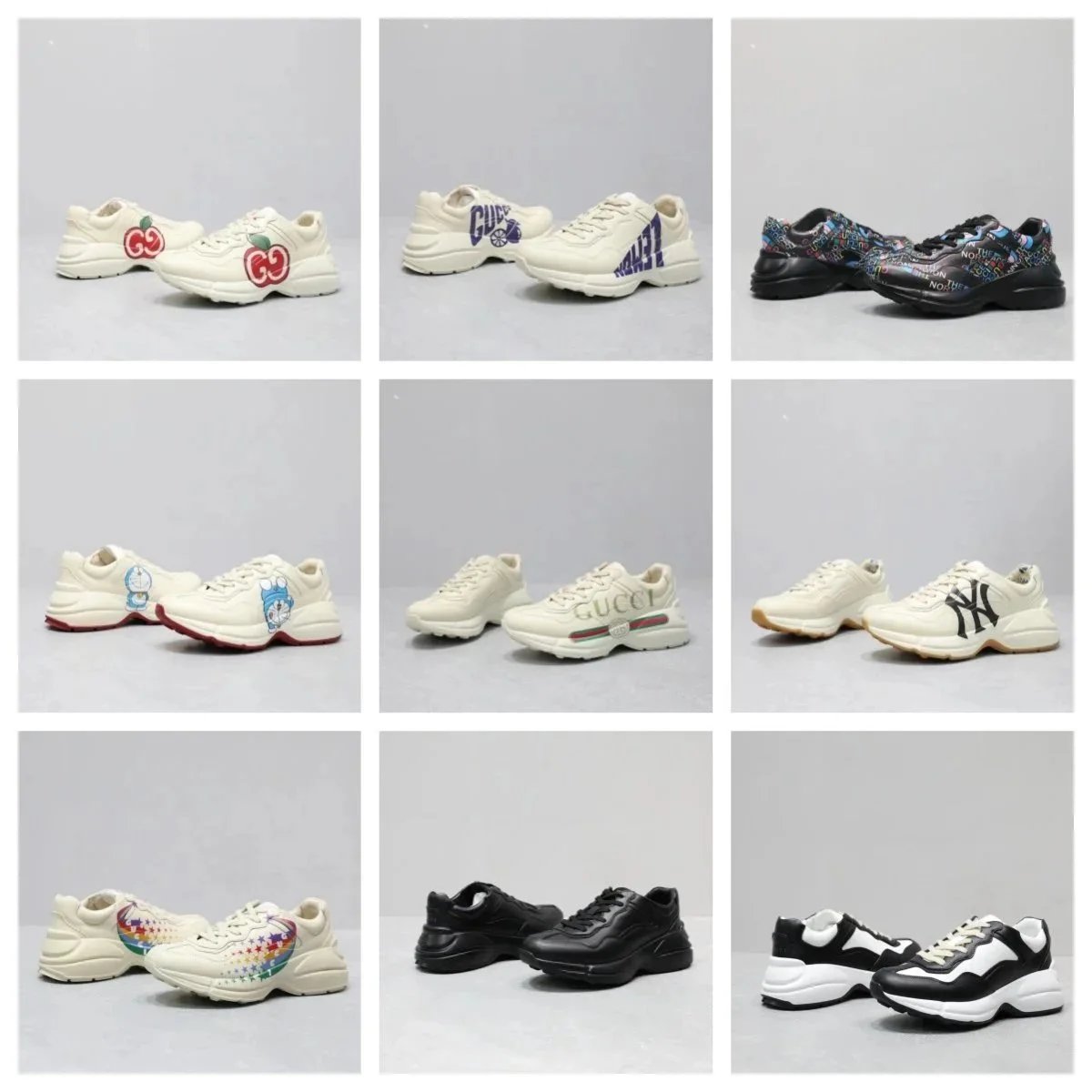
Sneakers BY03-CY Unisex Chunky Sneakers | Wheebuy spreadsheet | Lovegobuy spreadsheet - 141219