Cafans Journal
Stories & FindsHipobuy Spreadsheet Guide: The Complete CAFANS Shopping Handbook
Hipobuy Spreadsheet Guide: The Complete CAFANS Shopping Handbook
If you have spent any time browsing replica fashion communities, you have probably come across the term hipobuy spreadsheet. For newcomers, the CAFANS ecosystem — the collective of agents, spreadsheets, and shopping communities centered on Chinese marketplaces — can feel overwhelming. This guide breaks down exactly how the hipobuy spreadsheet works, how to use it alongside a reliable hipobuy guide, and how to turn product links into a smooth, stress-free order.
What Is the Hipobuy Spreadsheet?
The hipobuy spreadsheet is a curated, regularly updated database that lists products from Chinese e-commerce platforms such as Taobao, Weidian, and 1688. Instead of scrolling through thousands of listings in a language you may not read, you open the spreadsheet and browse organized rows containing item names, categories, prices, sizes, seller ratings, and — most importantly — direct hipobuy product links. Each entry is essentially a shortcut: click the link, and the item opens in the hipobuy agent platform where you can inspect QC photos, choose a size, and add it to your cart.
Think of the spreadsheet as a community-maintained catalog. Veteran buyers add finds, moderators clean out dead links, and everyone benefits from shared quality-control images. This is why the hipobuy spreadsheet has become the default starting point for both budget shoppers and seasoned collectors.
Why Use a Hipobuy Guide at All?
A good hipobuy guide explains the full purchasing pipeline: finding an item, submitting an order, paying for domestic shipping, waiting for warehouse QC, approving or rejecting the item, and finally choosing an international shipping line. Without this context, a spreadsheet is just a list of links. The guide is what turns that list into an actual shopping strategy.
Key stages covered in any solid hipobuy shopping guide include:
- Browsing and discovery — using the spreadsheet, search filters, and category tabs.
- Order placement — pasting links, selecting variants, and confirming agent fees.
- Warehouse QC — reviewing detailed photos, checking measurements, and requesting returns when needed.
- Consolidation — combining multiple items into one parcel to reduce shipping costs.
- Shipping and tracking — comparing lines, declaring value, and monitoring delivery.
How to Read the Spreadsheet Like a Pro
Most spreadsheets follow a similar column layout. Familiarize yourself with these fields and you will navigate any version quickly:
- Item name and photo — often translated, sometimes with seller nicknames.
- Category — hoodies, sneakers, bags, accessories, and so on.
- Price — usually in CNY; convert to your currency before budgeting.
- Seller rating and sales — higher numbers generally mean more reliable fulfillment.
- Size chart — critical for apparel; always compare with your own measurements.
- QC status — some sheets flag items with known quality issues or batch problems.
- Product link — the hipobuy product link that opens the item in the agent store.
Bookmark tabs you use often, and check the "last updated" date before trusting any row. A stale spreadsheet can send you to removed listings.
Building a Smart Shopping Workflow
The most efficient buyers follow a repeatable loop. Start with the hipobuy spreadsheet to shortlist items, then read the relevant hipobuy spreadsheet guide notes for batch warnings. Next, open each hipobuy product link and verify the current price and available sizes. Add items to your cart, but do not pay immediately — review the total, including agent service fees, before checkout.
Once items arrive at the warehouse, request QC photos from multiple angles. Compare stitching, logos, tags, and measurements against the listing. If something looks off, file a return while the window is open. When everything passes inspection, consolidate your haul and compare at least three shipping lines for cost, speed, and insurance options.
Common Mistakes to Avoid
Even with a great hipobuy shopping guide, beginners trip over the same issues. Avoid these pitfalls:
- Ignoring size charts — Asian sizing often runs small; measure twice.
- Skipping QC — always inspect photos before shipping internationally.
- Under-declaring parcels — follow line guidelines to avoid customs delays.
- Chasing dead links — verify listings are active before ordering.
- Forgetting fees — agent fees, domestic shipping, and consolidation costs add up.
Staying Updated
Spreadsheets evolve weekly. Follow the community channels linked from the sheet, watch for batch announcements, and re-check your saved rows before each haul. A disciplined approach — spreadsheet first, guide second, QC always — keeps your orders predictable and your budget intact.
Final Thoughts
The hipobuy spreadsheet is more than a link dump; it is a living index of what the community trusts right now. Pair it with a clear hipobuy guide, verify every hipobuy product link, and treat QC as non-negotiable. Whether you are building a first haul or refining a seasoned workflow, the hipobuy spreadsheet guide approach outlined here will save you time, money, and frustration.
Editor's selection
Popular Products

Sneakers B22 B30 Unisex Classic Sneakers | UIDBuy spreadsheet | BBDBuy spreadsheet - 135717

Outdoor Casual Sneakers | Hipobuy spreadsheet | OOTDBuy spreadsheet | JoyaGoo spreadsheet - 141223

Sneakers 04 Classic Sneakers | LoongBuy spreadsheet | JoyaGoo spreadsheet | USFans spreadsheet - 135678

Sneakers P-0100 Unisex Sneakers | Kakobuy spreadsheet | BBDBuy spreadsheet | MyCNBox spreadsheet - 136114

Graphic Hoodies and Sweatpants Collection LH25 Unisex | Oopbuy spreadsheet | Hipobuy spreadsheet - 140989

Sneakers 2025 Skate Sneakers | MyCNBox spreadsheet | iTaoBuy spreadsheet | USFans spreadsheet - 135965
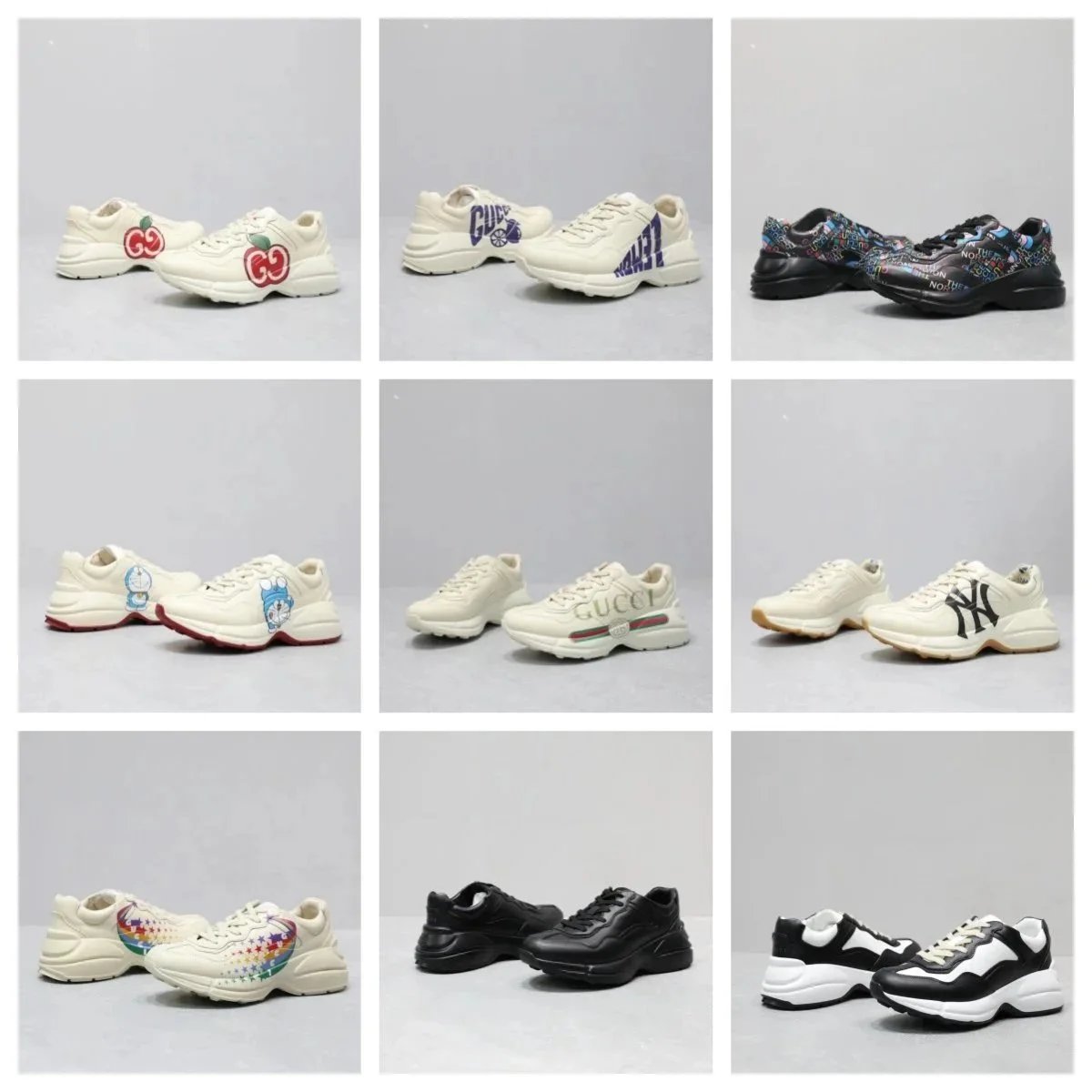
Sneakers BY03-CY Unisex Chunky Sneakers | Wheebuy spreadsheet | Lovegobuy spreadsheet - 141219