Cafans Journal
Stories & FindsSpanBuy CAFANS Guide: The Complete 1,000-Word Walkthrough
SpanBuy CAFANS Guide: What This Framework Actually Delivers
If you have spent any time in cross-border shopping communities, you have probably seen the phrase SpanBuy attached to spreadsheets, buying agents, and haul-building threads. This English CAFANS guide explains how the SpanBuy ecosystem fits together: the platform itself, the famous SpanBuy spreadsheet, the companion SpanBuy guide threads, SpanBuy product links, and the broader SpanBuy shopping guide logic that experienced importers use to keep costs predictable.
CAFANS here is simply a practical framework — Collect, Assess, Filter, Assemble, Navigate, Ship — and every stage maps to a SpanBuy tool you can actually use. Let us walk through it.
Stage 1: Collect — Finding Reliable SpanBuy Product Links
Everything starts with sourcing. A SpanBuy product link is typically a marketplace URL (Taobao, Weidian, 1688, or similar) that a buying agent can open, price, and order on your behalf. The quality of your haul depends heavily on the quality of these links.
Practical rules for collecting links:
- Save the original listing URL, not a screenshot — agents need the live page.
- Note the size chart, colorway, and SKU name in your notes, because listings change.
- Record the quoted price at the time you found it; price drift is normal.
- Keep a separate column for seller ratings and return policy.
Most veterans build a shortlist of 20–40 candidate links before cutting anything. Do not order from the first link you like; compare at least three sellers for the same item.
Stage 2: Assess — Reading the SpanBuy Spreadsheet
The SpanBuy spreadsheet is the heart of the system. Community-maintained sheets aggregate verified sellers, QC photo archives, weight estimates, and historical pricing. A well-structured sheet usually contains:
- Item name and category — shoes, hoodies, bags, accessories, home goods.
- Seller link and contact — the original store plus a backup.
- Weight and dimensions — critical for shipping estimates.
- QC status — pass/fail notes from previous buyers.
- Price band — low, mid, high, with currency notes.
Treat the sheet as a research archive, not gospel. Cross-check every entry against a fresh SpanBuy guide discussion, because sellers rotate stock and old QC photos can mislead.
Stage 3: Filter — Applying the SpanBuy Shopping Guide
This is where the SpanBuy shopping guide earns its keep. Filtering is about removing risk before you pay:
- Budget filter: set a hard ceiling per item and per haul. Shipping often adds 30–50% to the product subtotal.
- Weight filter: estimate volumetric weight, not just actual weight. Bulky items (pillows, puffer jackets, shoe boxes) punish you.
- Risk filter: avoid sellers with no recent QC, no size chart, or unclear return terms.
- Consolidation filter: group items by warehouse arrival window so you ship once, not five times.
A useful trick: keep a "maybe" tab in your sheet. Items that survive two review passes usually deserve a spot in the final cart.
Stage 4: Assemble — Building the Cart with SpanBuy
When you place an order through SpanBuy, you are using an agent service: you paste the link, confirm the variant, pay the item price plus a service fee, and the agent purchases domestically. The item lands at a warehouse, where QC photos are taken.
Assembly checklist:
- Confirm variant names match exactly (Asian sizing runs small).
- Request extra QC photos for anything above your average spend.
- Ask for measurement photos on footwear and outerwear.
- Keep all order IDs in one document — disputes need them.
This is also the moment to double-check your SpanBuy product links: if a listing has been taken down, substitute a backup immediately rather than waiting for a refund cycle.
Stage 5: Navigate — Using the SpanBuy Guide Community
No single SpanBuy guide is complete without community navigation. Forums, Discord servers, and subreddit threads are where you learn which warehouses are fast, which lines are customs-friendly, and which sellers ship in 48 hours versus two weeks.
How to navigate well:
- Search before posting — most questions are already answered in pinned threads.
- Look for posts with dated QC photos; recency matters more than upvotes.
- Compare at least two shipping-line reviews before committing.
- Ignore hype posts with no order numbers or photos.
Bookmark three trusted threads: one for spreadsheet updates, one for shipping-line reviews, one for general Q&A. That trio covers 90% of decisions.
Stage 6: Ship — Final Logistics
Shipping is the last and most expensive stage. Use your spreadsheet weights to compare lines, declare honestly within legal limits, and consolidate whenever possible. Photograph your parcel on arrival, and keep the unboxing video until you have checked every item.
Common categories that move through SpanBuy hauls include sneakers, hoodies and tees, jackets, bags and backpacks, watches and jewelry, phone accessories, home textiles, and small kitchen gadgets. Weight and customs rules vary sharply by category, so plan accordingly.
Final Thoughts
The CAFANS method works because it forces discipline: collect links deliberately, assess the SpanBuy spreadsheet critically, filter with the shopping guide, assemble carefully, navigate the community honestly, and ship with eyes open. Master those six stages and SpanBuy stops being a gamble and starts being a repeatable process.
Editor's selection
Popular Products

Sneakers B22 B30 Unisex Classic Sneakers | UIDBuy spreadsheet | BBDBuy spreadsheet - 135717

Outdoor Casual Sneakers | Hipobuy spreadsheet | OOTDBuy spreadsheet | JoyaGoo spreadsheet - 141223

Sneakers 04 Classic Sneakers | LoongBuy spreadsheet | JoyaGoo spreadsheet | USFans spreadsheet - 135678

Sneakers P-0100 Unisex Sneakers | Kakobuy spreadsheet | BBDBuy spreadsheet | MyCNBox spreadsheet - 136114
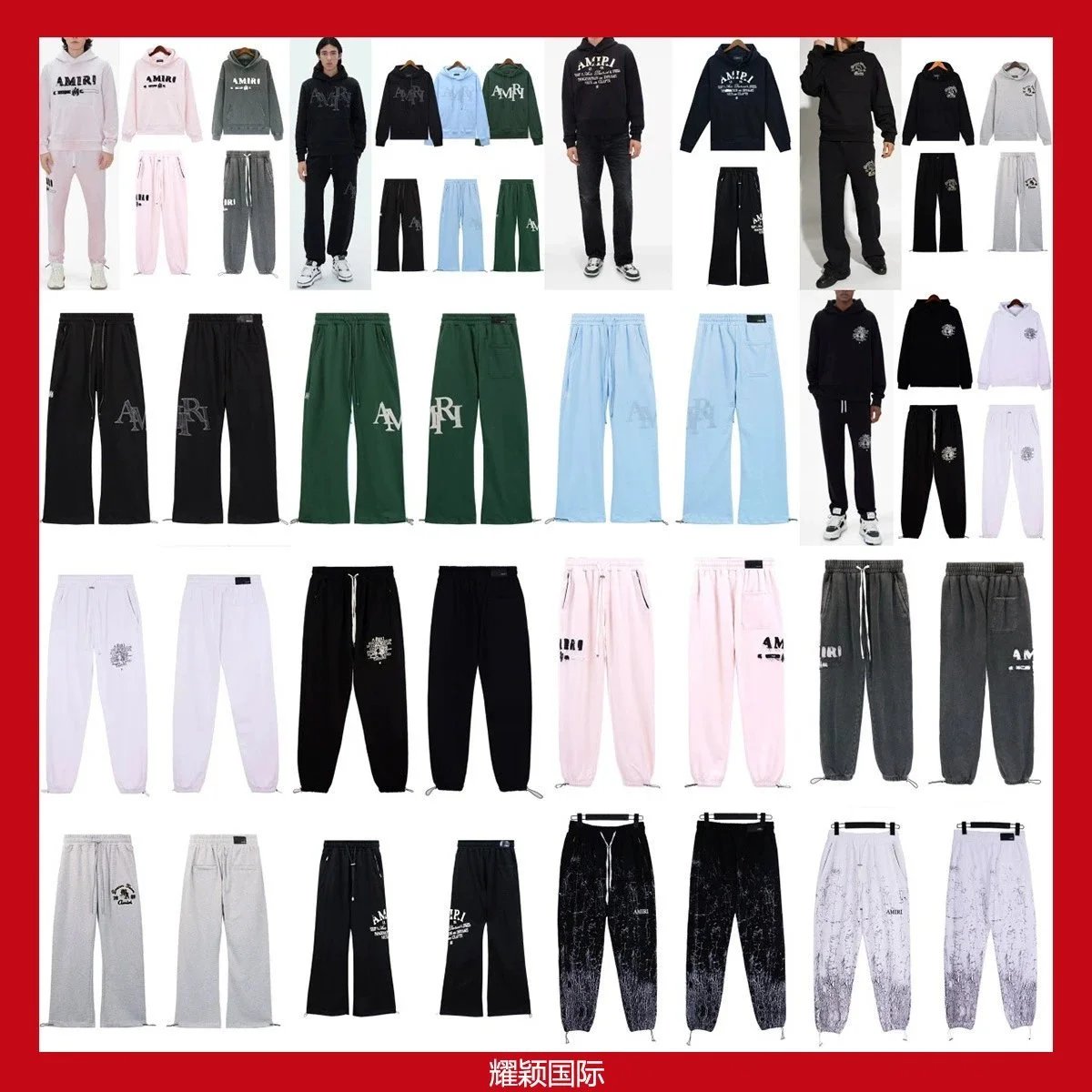
Graphic Hoodies and Sweatpants Collection LH25 Unisex | Oopbuy spreadsheet | Hipobuy spreadsheet - 140989

Sneakers 2025 Skate Sneakers | MyCNBox spreadsheet | iTaoBuy spreadsheet | USFans spreadsheet - 135965
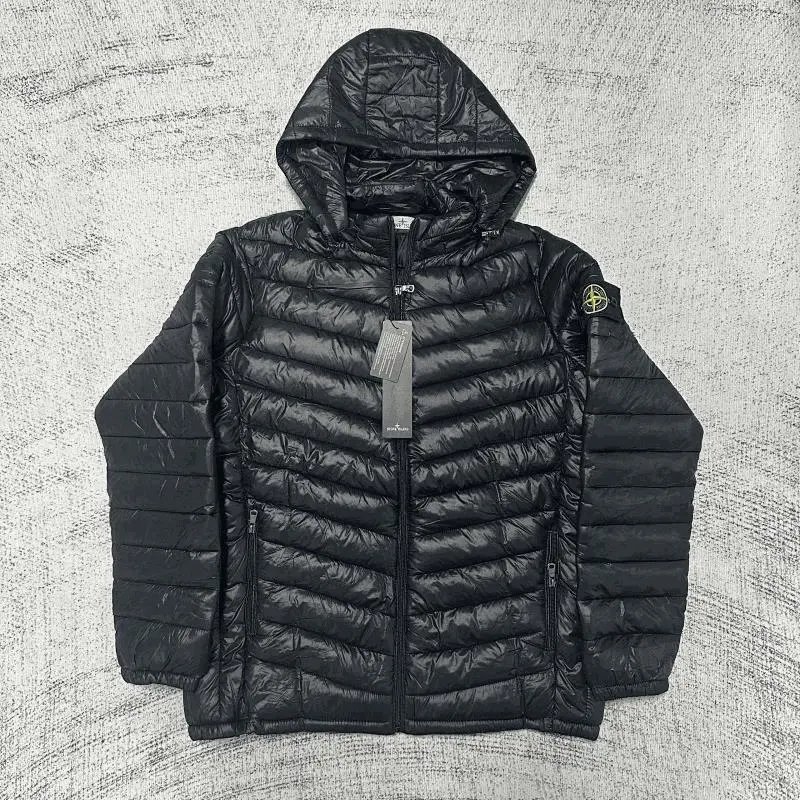
Winter Loose Down Jackets, Sweatshirts and Sweaters 003 | Sugargoo spreadsheet | CSSBuy spreadsheet - 141091