Cafans Journal
Stories & FindsRizzitgo: The Complete CAFANS Guide to Smart Shopping in 2026
Rizzitgo: The Complete CAFANS Guide to Smart Shopping in 2026
If you have spent any time browsing social media shopping hauls, deal forums, or creator recommendation lists lately, you have probably run into Rizzitgo. What started as a niche bookmarking habit among bargain hunters has grown into a full-blown shopping companion for people who want to compare products, track prices, and share finds without drowning in tabs. This CAFANS guide walks you through everything you need to know: what Rizzitgo is, how the Rizzitgo spreadsheet works, how to use Rizzitgo product links responsibly, and how to build a Rizzitgo shopping guide that actually saves you money.
What Is Rizzitgo?
Rizzitgo is best understood as a curated discovery and organization platform for online shopping. Instead of scrolling endlessly through marketplaces, users collect products they like, organize them into lists, and share those lists with friends or communities. The name has become shorthand for a certain workflow: find something interesting, save it, compare it against similar items, and only then decide whether to buy.
That workflow is the heart of the CAFANS approach — Collect, Assess, Filter, Arrange, Narrow, Select. Rizzitgo supports each step, which is why the two ideas are often discussed together.
Why the Rizzitgo Spreadsheet Matters
The single most useful feature for serious shoppers is the Rizzitgo spreadsheet. A spreadsheet sounds boring until you realize what it solves: memory. Most people forget why they saved a product, what it cost last week, or which alternative they preferred.
A typical Rizzitgo spreadsheet includes columns for product name, category, seller, listed price, historical low price, shipping cost, return window, rating, and personal notes. Some users add columns for warranty length, material composition, or compatibility with items they already own. The goal is not to create busywork — it is to make comparison objective.
- Price history: record the price each time you check, so you can spot fake discounts.
- Total cost: include shipping, tax, and accessories, not just the headline price.
- Decision notes: write one sentence explaining why an item stays on the list.
- Status tags: mark items as researching, shortlisted, purchased, or rejected.
When your Rizzitgo spreadsheet is well maintained, the Rizzitgo guide essentially writes itself: you can see at a glance which options survived the filter.
How to Use Rizzitgo Product Links
Rizzitgo product links are the connective tissue of the whole system. A link should take you directly to the exact variant — size, color, capacity, model number — so there is no ambiguity later. Good habits around links make the difference between a useful list and a confusing one.
- Save the exact variant. Avoid linking to a general product page with dozens of options.
- Add a short label. Instead of a raw URL, name it something like "compact air fryer — 4L — black."
- Check link freshness. Sellers rotate inventory; a dead link is a dead lead.
- Keep a backup source. If possible, link a second retailer so you can compare.
Treat every Rizzitgo product link as a bookmark with a job: it should answer "what exactly was I looking at, and why?"
Building Your Own Rizzitgo Shopping Guide
A Rizzitgo shopping guide is a personal buying playbook. It can be a category guide (kitchen gadgets, desk accessories, travel gear), an occasion guide (moving into a new apartment, back-to-school), or a budget guide (gifts under a set amount). The structure matters more than the topic.
Step 1: Define the category and budget
Write down the category, the number of items you actually need, and a hard budget ceiling. This prevents scope creep — the reason most shopping lists fail.
Step 2: Collect candidates
Gather options from multiple sources: marketplace search, creator recommendations, community threads, and your own past purchases. Save each candidate as a Rizzitgo product link with a label.
Step 3: Assess with criteria
Choose three to five criteria and score each candidate. Common criteria include price-to-value ratio, durability, ease of return, brand reputation, and whether accessories are included. Keep scoring simple; a 1–5 scale is enough.
Step 4: Filter and arrange
Move everything into the Rizzitgo spreadsheet. Sort by score, then by total cost. Anything below your threshold gets tagged rejected — do not delete it, because you may need the reference later.
Step 5: Narrow and select
Shortlist two or three finalists. Wait a few days before buying to avoid impulse decisions, then check price history one last time. Select the winner and record the purchase date and price in your spreadsheet for future reference.
Common Mistakes to Avoid
- Linking to the wrong variant. This is the most frequent Rizzitgo error and it wastes hours.
- Ignoring shipping and returns. A cheap item with costly returns is not cheap.
- Overbuilding the spreadsheet. Too many columns leads to abandonment. Start with eight to ten.
- Trusting a single review. Cross-check reviews across platforms and look for patterns.
- Skipping the waiting period. A short pause filters out most regret purchases.
Who Should Use Rizzitgo?
Rizzitgo suits anyone who buys online more than occasionally: students furnishing a room, remote workers upgrading a desk setup, parents comparing children's products, travelers assembling gear, and gift shoppers working to a deadline. The heavier your research load, the more value you get from the spreadsheet and the link discipline.
Final Thoughts
Rizzitgo is not magic — it is a method. The platform gives you a place to collect and compare; the Rizzitgo spreadsheet gives you memory; Rizzitgo product links give you precision; and a well-written Rizzitgo shopping guide gives you direction. Apply the CAFANS steps consistently, and shopping stops being a series of impulsive clicks and becomes a calm, repeatable process. Start small with one category, build the habit, and expand from there.
Editor's selection
Popular Products

Camouflage Casual Everyday Shorts - 166067
JS Unisex Logo Graphic T-Shirt - S25 - 159459

Balenciaga Men's Printed Shorts Selection | JoyaGoo spreadsheet | Superbuy spreadsheet - 147754
Crewneck French Terry Classic Sweatshirt - 24 - 164180
Alo Yoga Straight-Leg Pants | iTaoBuy spreadsheet | Hipobuy spreadsheet - 150936
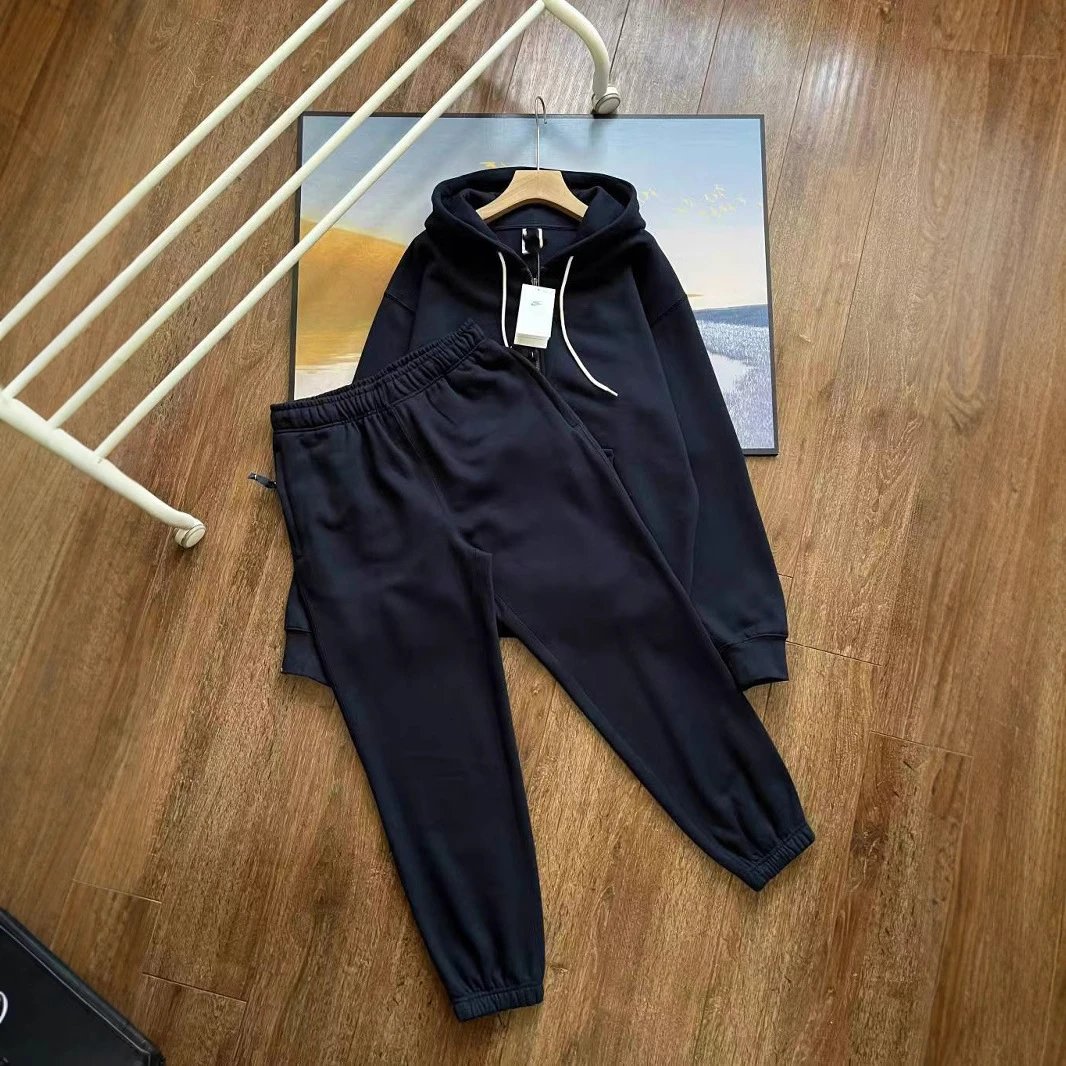
NKE Hoodie Set - Clothing - 168544
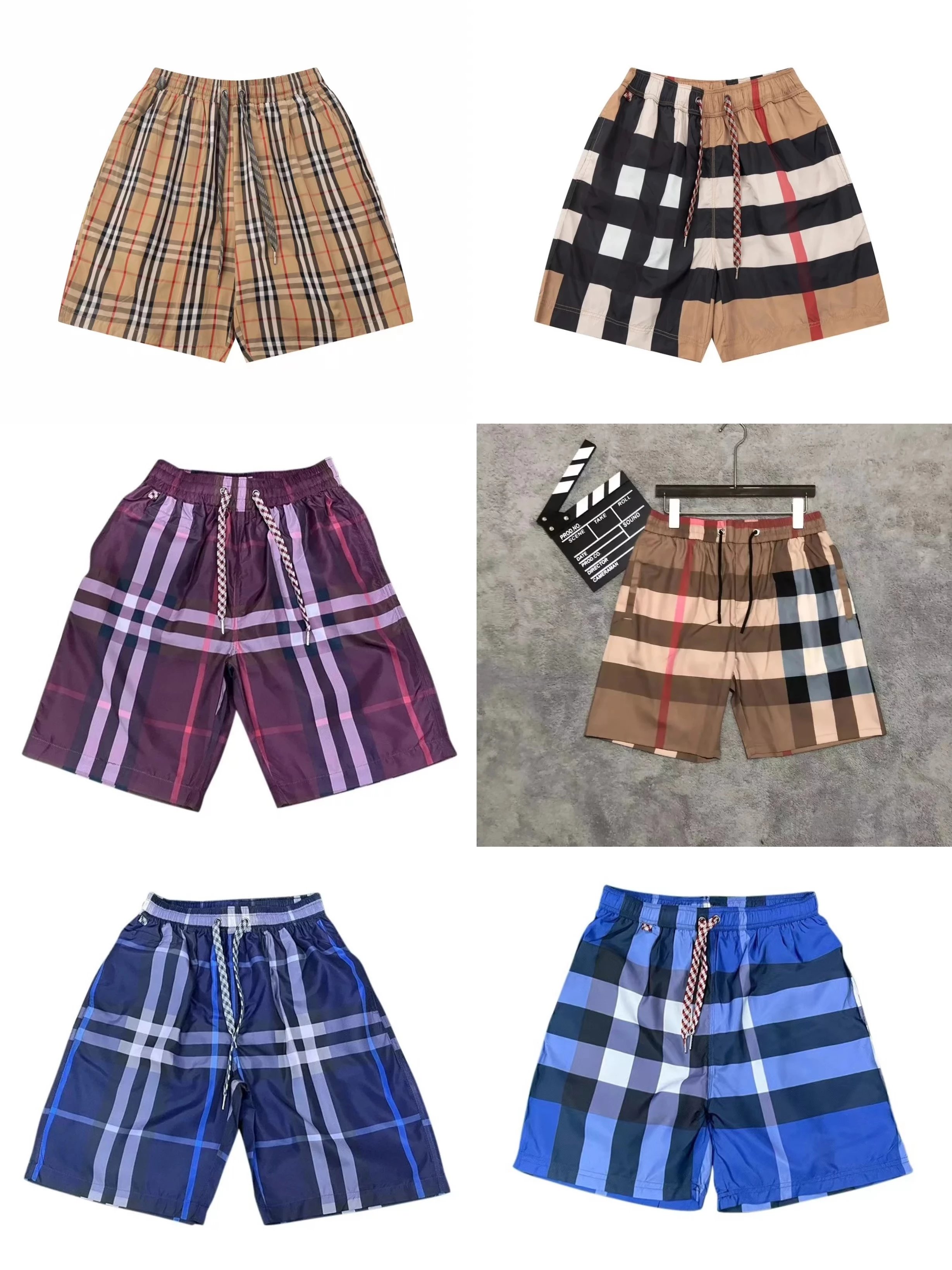
Dird Shorts - Clothing - 166290