Cafans Journal
Stories & FindsCAFANS Guide: A Complete PanGlobalBuy Shopping Walkthrough
If you have been searching for a reliable CAFANS guide to make sense of cross-border shopping, you have landed in the right place. This walkthrough explains how to use PanGlobalBuy as your purchasing agent, how to organize your finds with a PanGlobalBuy spreadsheet, and how to turn scattered product links into a smooth, predictable order. Whether you are a first-time buyer or a seasoned reseller, the steps below will help you shop smarter.
What Is PanGlobalBuy?
PanGlobalBuy is a shopping agent platform that lets you buy from Chinese marketplaces and brand stores even when you do not have a local payment method or a Chinese address. You paste a product link, the platform quotes a price in your currency, you pay, and the agent purchases the item on your behalf. The goods arrive at a warehouse, where staff inspect them, consolidate multiple parcels, and ship them internationally. The whole model relies on transparency, so a good PanGlobalBuy guide should explain fees clearly. Expect a service fee, domestic shipping within China, international freight, and optional value-added services such as quality inspection photos, reinforced packaging, or moisture protection.
Step 1: Build Your PanGlobalBuy Spreadsheet
The single most useful habit for any serious buyer is keeping a PanGlobalBuy spreadsheet. Before you order anything, create columns for the product name, the original listing URL, the size or variant, the quoted price, the seller name, the warehouse status, and a notes field. This turns a chaotic wish list into a manageable pipeline. A PanGlobalBuy product links column is especially important because links expire, sellers change listings, and variants sell out. Copy the full link, not a shortened one, and add the date you saved it. When you have thirty or forty items, the spreadsheet becomes your single source of truth. Color-code rows by status: researching, ordered, in warehouse, shipped, delivered. You will instantly see which items are waiting for consolidation and which have been sitting too long.
Step 2: Follow a Structured PanGlobalBuy Guide
A proper PanGlobalBuy guide follows the order lifecycle. First, verify the seller rating and the number of recent transactions. Second, check the size chart carefully, because Asian sizing often runs small. Third, confirm whether the item ships domestically within the promised window. Fourth, use the agent's inspection service for anything fragile or expensive. Fifth, review warehouse photos before approving international shipping. Finally, choose a shipping line that matches your budget and urgency; economy lines are cheap but slow, while express lines cost more but include tracking and faster customs clearance. Following these steps reduces surprises and keeps your total landed cost predictable.
Step 3: Manage PanGlobalBuy Product Links
Collecting PanGlobalBuy product links is easy, but organizing them is where most shoppers fail. Keep a separate tab in your spreadsheet for links that are still under consideration. Add a short description next to each link so future-you knows what the item was. If a link dies, note the seller's shop name and search for the same title; many sellers relist identical goods. For clothing, save the measurement table as an image next to the link. For electronics, save the model number and voltage specification. This discipline pays off when you consolidate a large haul and need to match warehouse items to your original order list.
Step 4: Use the PanGlobalBuy Shopping Guide for Fees
A practical PanGlobalBuy shopping guide must cover money. Service fees are usually a small percentage of the item price with a minimum charge. Domestic shipping is paid to the seller and is often free for small items. International shipping is calculated by actual weight or volumetric weight, whichever is greater, so bulky lightweight items are expensive. Consolidation saves money because multiple parcels share one box, but repacking fees may apply. Insurance is optional; consider it for high-value goods. Currency conversion happens at the platform rate, so compare it with your card issuer's rate before assuming you got a bargain. Keep every receipt in the spreadsheet so you can calculate the true cost per item, not just the sticker price.
Step 5: Categories That Work Well
Buyers commonly use agents for clothing and footwear, bags and accessories, consumer electronics and accessories, home and kitchen goods, beauty and personal care items, stationery, pet supplies, fitness equipment, phone cases, and seasonal decorations. Each category has its own risks. Clothing needs size checks; electronics need voltage and plug checks; liquids and powders may be restricted by air carriers. Always read the shipping line's prohibited items list before you buy. When in doubt, ask customer service in advance and save the reply in your notes.
Common Mistakes to Avoid
Do not order from unrated sellers to save a few coins. Do not ignore warehouse storage deadlines, because free storage is limited and late fees add up. Do not approve international shipping before reviewing inspection photos. Do not forget to declare an accurate value for customs. And do not rely on memory: the PanGlobalBuy spreadsheet exists precisely because human memory fails after the twentieth order. If you follow this CAFANS guide and treat PanGlobalBuy as a structured process rather than a spontaneous shopping spree, your parcels will arrive on time, your costs will stay visible, and your PanGlobalBuy shopping guide will become a repeatable system you can share with friends.
Editor's selection
Popular Products

Shoes Ph076 Breathable Running Shoes | CSSBuy spreadsheet | LoongBuy spreadsheet - 136150
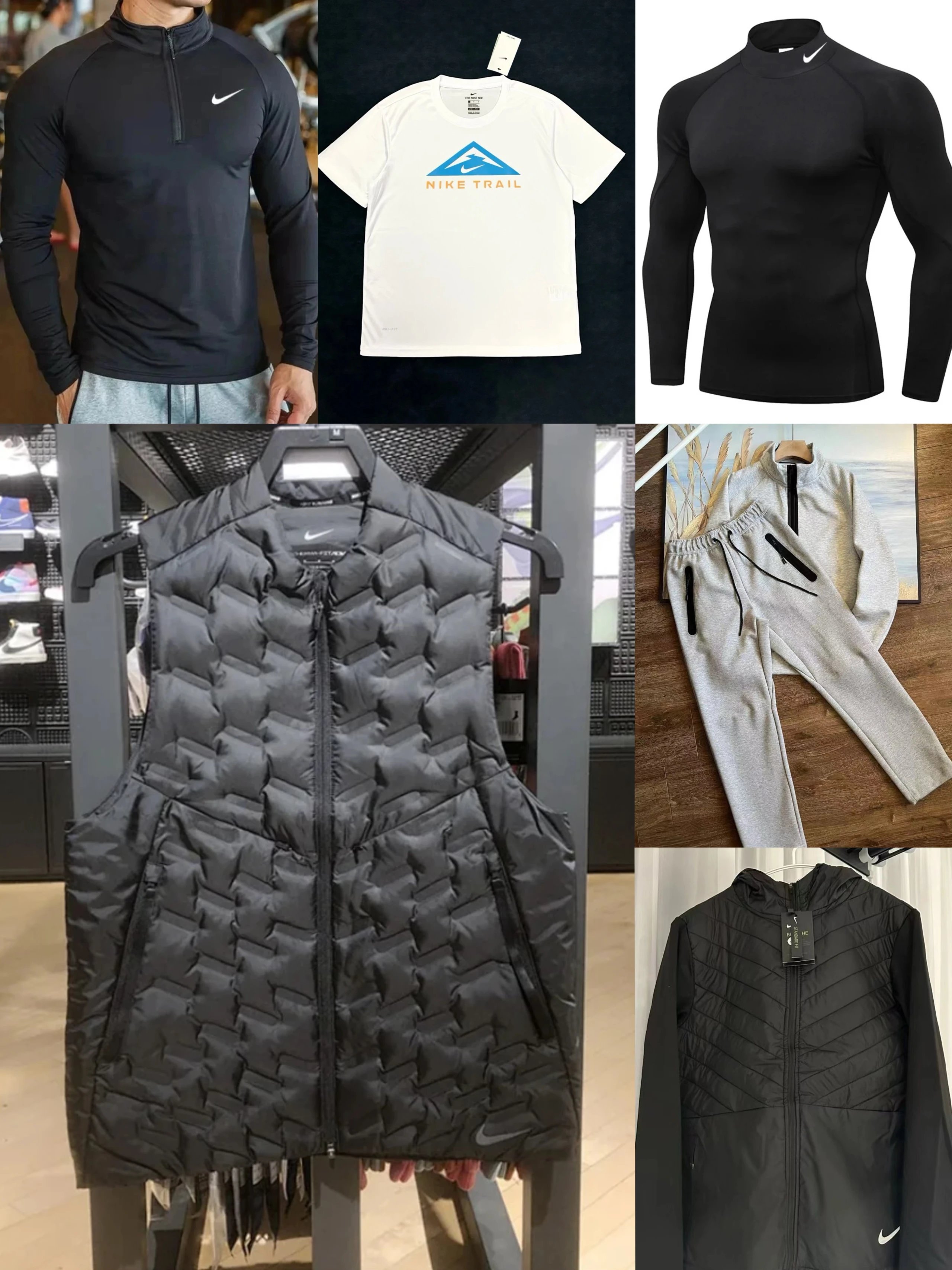
Ni Vests, T-Shirt and Clothing Sets 1000 | JoyaGoo spreadsheet | Sugargoo spreadsheet - 141084
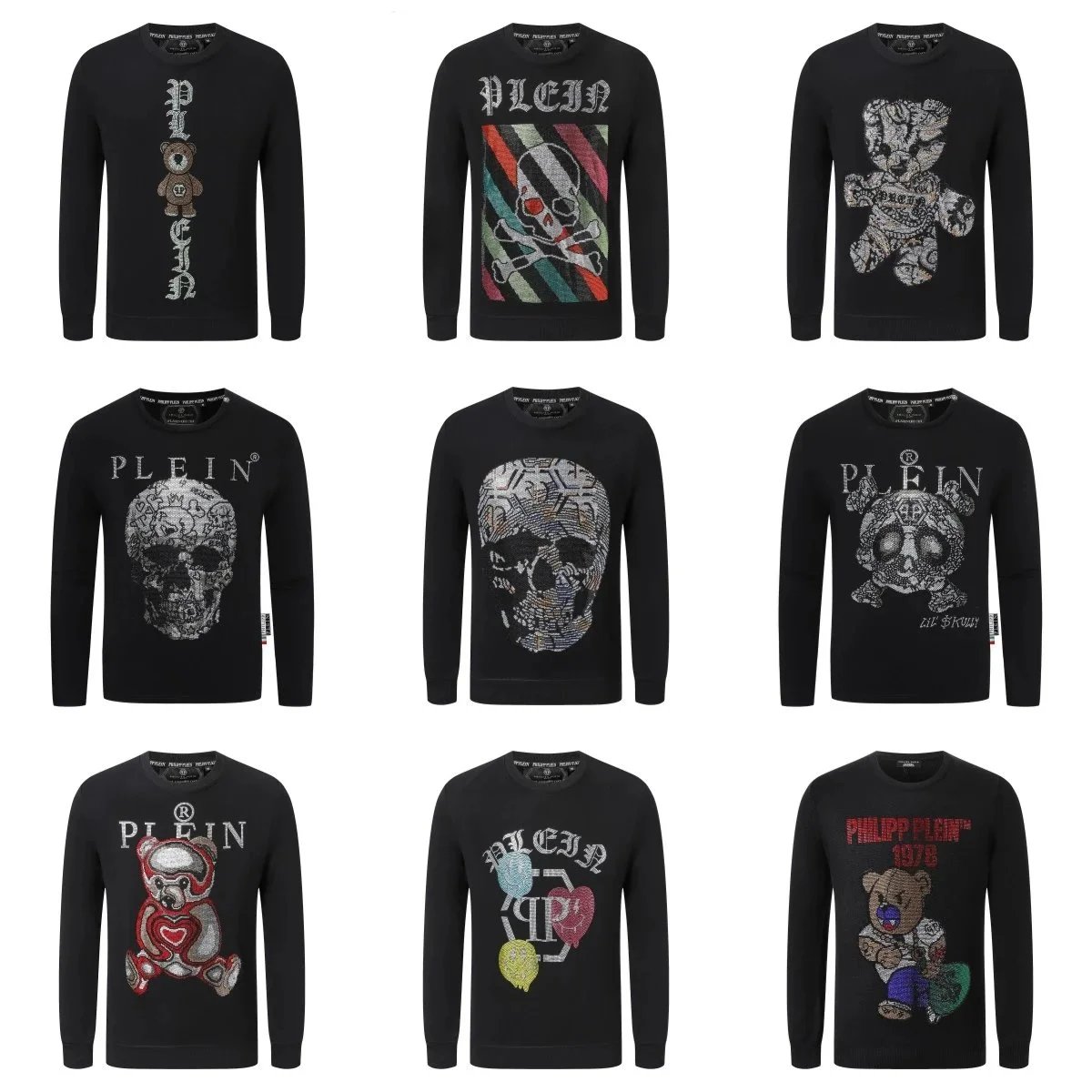
Outfit Set FL01-005ph Spring and Autumn Casual Clothing | Sugargoo spreadsheet | GTBuy spreadsheet - 136271
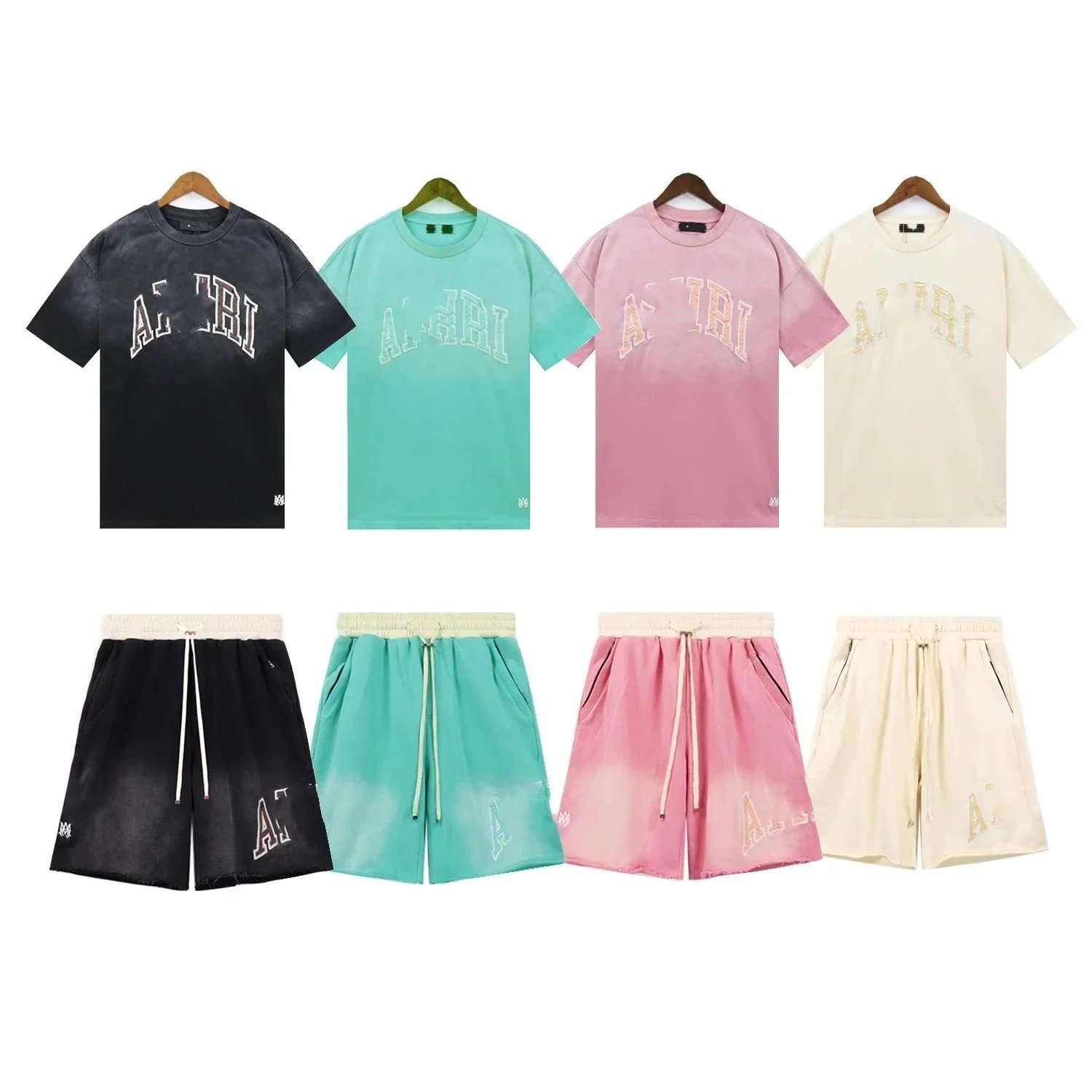
Clothing Set 1 | Oopbuy spreadsheet | BBDBuy spreadsheet | CSSBuy spreadsheet - 136873
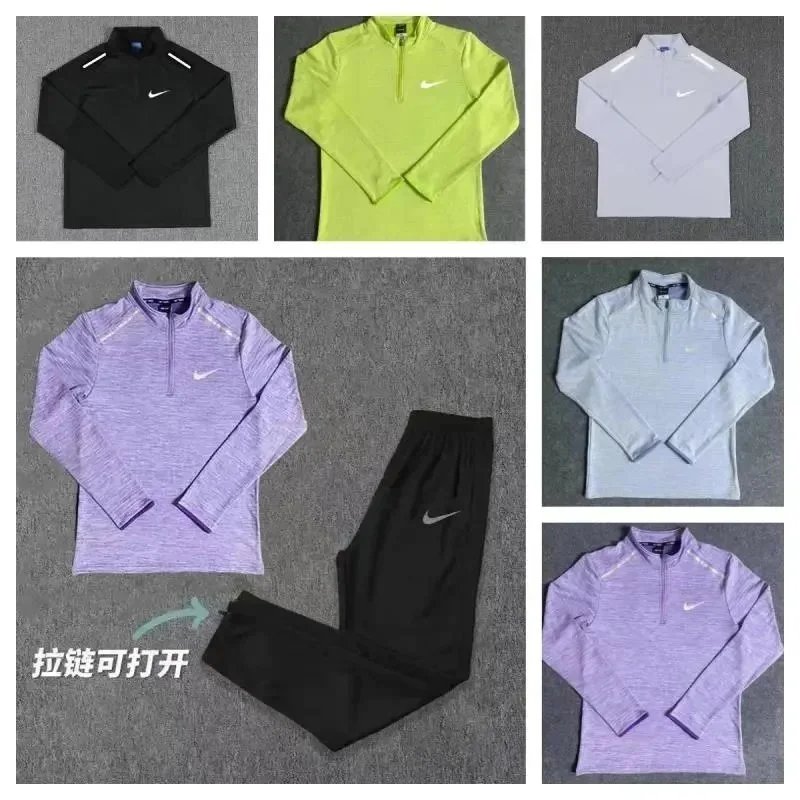
Outfit Set MX16 Clothing Set | Hipobuy spreadsheet | Fishgoo spreadsheet - 137693
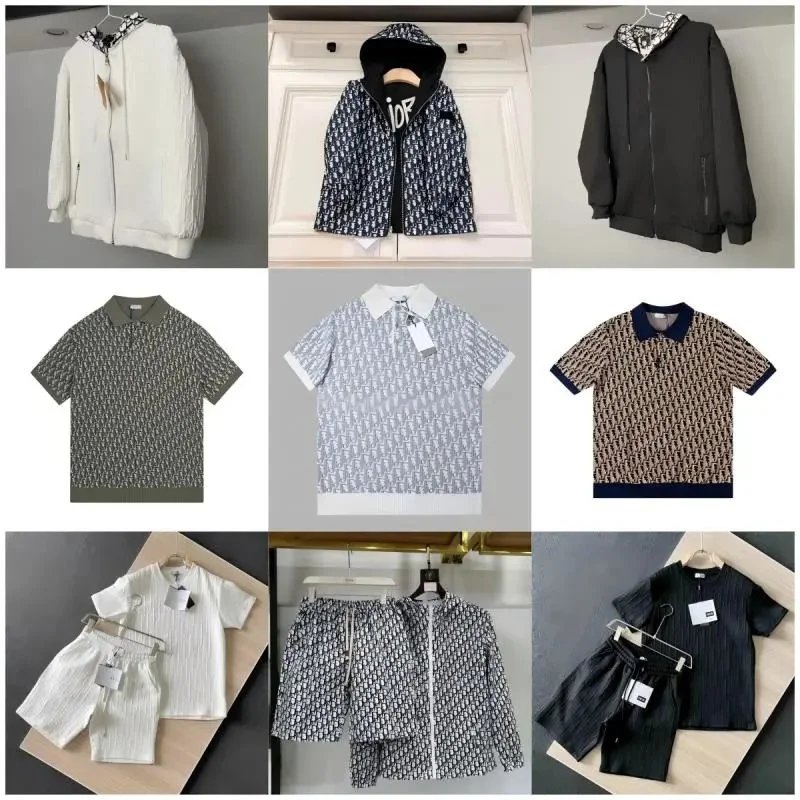
D All-Over Print Clothing Set | UIDBuy spreadsheet | Kakobuy spreadsheet | Hipobuy spreadsheet - 136221
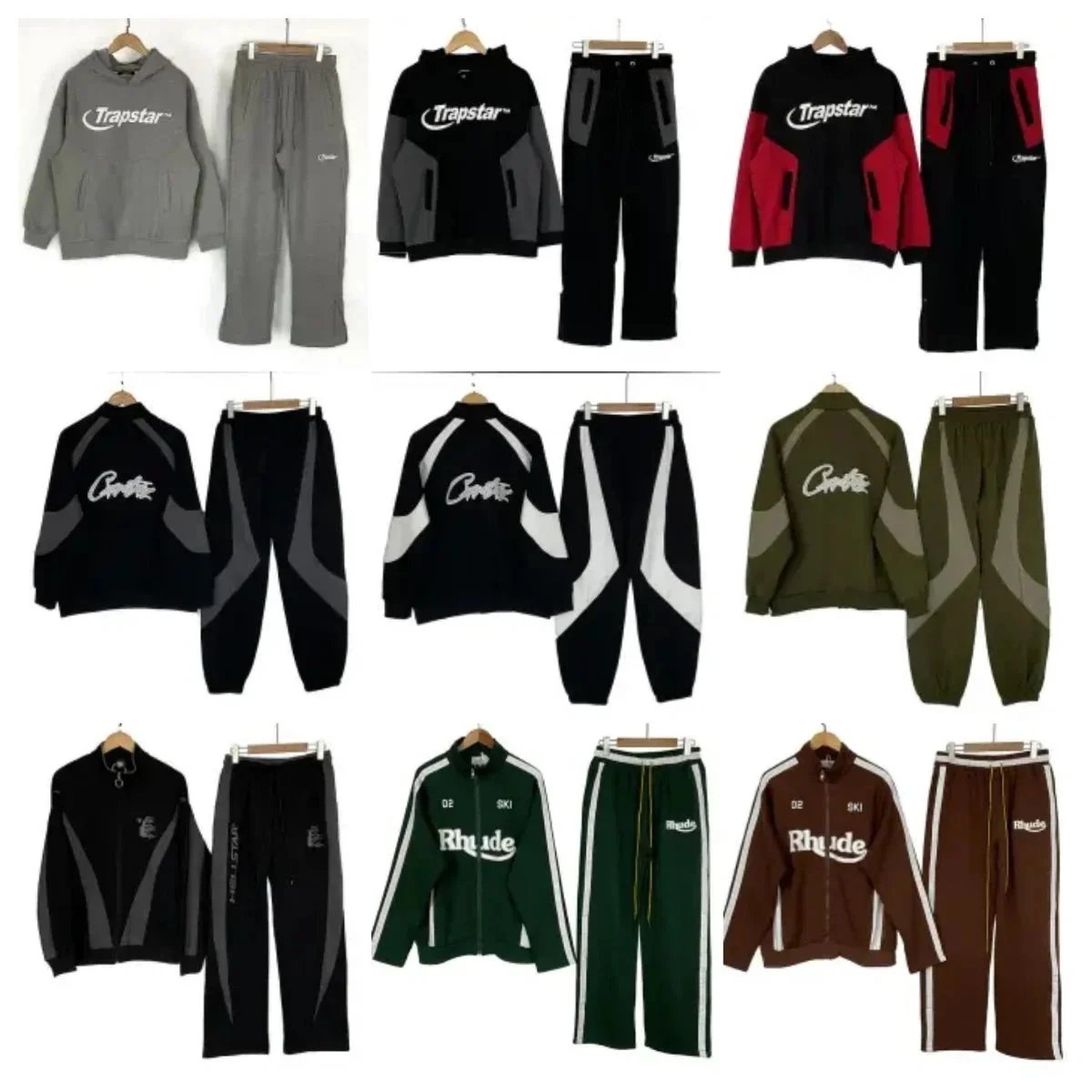
Outfit Set L-001 Casual Hip-Hop Clothing Set | GTBuy spreadsheet | Hubbuycn spreadsheet - 136248