Cafans Journal
Stories & FindsThe CAFANS Shopping Guide to the Litbuy Spreadsheet: Finding Reliable Products and Links
Why the Litbuy Spreadsheet Deserves a Place in Your Shopping Routine
If you have spent any time browsing online marketplaces for fashion, accessories, or everyday essentials, you have probably noticed how quickly the experience can become overwhelming. Thousands of listings, scattered product links, and inconsistent sizing information make it hard to decide what is actually worth buying. That is where the litbuy spreadsheet comes in. This CAFANS shopping guide walks you through what the spreadsheet is, how to use it effectively, and how to combine it with a solid litbuy guide to make smarter purchasing decisions.
The litbuy spreadsheet is essentially a curated, community-maintained catalog of product listings. Instead of scrolling endlessly through search results, you get a structured document where items are organized by category, with details such as product names, reference images, size charts, pricing tiers, and seller information. For shoppers who value efficiency, it acts as a shortcut between discovery and checkout.
What Makes the Litbuy Spreadsheet Different
Many shopping aggregators exist, but the litbuy spreadsheet stands out for three reasons: transparency, organization, and community verification.
- Transparency: Each row typically includes the original listing, a QC (quality control) reference where available, and notes on fit or material. This reduces guesswork.
- Organization: Categories range from hoodies and tees to sneakers, bags, watches, and accessories. Filters help you narrow down by size, price range, or seller rating.
- Community verification: Because the document is updated by experienced buyers, outdated links get flagged and new finds get added regularly.
Used alongside a detailed litbuy guide, the spreadsheet becomes a powerful research tool rather than a simple link dump.
How to Read the Litbuy Spreadsheet: A Step-by-Step Litbuy Guide
First-time users often ask how to interpret the columns. Here is a practical litbuy spreadsheet guide to get you started.
- Start with the category tabs. Most versions separate menswear, womenswear, footwear, bags, and accessories. Choose the tab that matches your interest.
- Check the product name and reference image. The image gives you a visual anchor so you can compare across sellers.
- Read the seller notes. Look for comments about batch quality, fabric weight, stitching, or known flaws.
- Verify sizing. Cross-reference the size chart in the sheet with your own measurements. Do not assume standard sizing.
- Use the provided links carefully. Always confirm the listing is still active before ordering, and compare prices across a couple of options.
- Track your order. Save the row or note the product ID so you can follow up if anything goes wrong.
This workflow is the backbone of any reliable litbuy shopping guide: research first, verify second, purchase third.
Making Sense of Litbuy Product Links
The litbuy product links embedded in the spreadsheet are the bridge between research and purchase. However, not all links behave the same way. Some point directly to marketplace listings, while others redirect through agent platforms. A few considerations:
- Link freshness: Marketplace listings expire. If a link is dead, check the spreadsheet's update log or community forum for a replacement.
- Agent vs. direct: Some links require an agent for international shipping. Read the notes column to know which route applies.
- Price consistency: Prices can fluctuate with promotions. Use the spreadsheet's reference price as a baseline, not a guarantee.
- Security: Only use links from the official spreadsheet version. Avoid copies shared through unknown sources.
Treat litbuy product links as leads rather than final destinations, and always double-check the seller's rating before committing.
Practical Tips from the CAFANS Shopping Guide
Beyond the spreadsheet itself, a few shopping habits will improve your results:
- Build a shortlist. Save five to ten items you genuinely need rather than impulse-buying every interesting row.
- Compare batches. For popular items like hoodies or sneakers, different batches vary in quality. The spreadsheet often notes batch names.
- Read QC photos carefully. Look at stitching, logos, tags, and material texture. Community QC threads are invaluable.
- Budget for shipping. International shipping and agent fees can significantly change the final cost.
- Keep records. Screenshot your order details and the spreadsheet row for future reference.
These habits turn a basic litbuy guide into a repeatable, low-stress shopping system.
Common Mistakes to Avoid
Even experienced shoppers slip up. Watch out for these pitfalls:
- Trusting outdated rows. Always confirm the listing is live.
- Ignoring size charts. Asian sizing differs from US and EU sizing; measure twice.
- Overlooking seller reputation. A cheap price from an unrated seller is a risk.
- Skipping the QC stage. Request quality-check photos whenever possible.
- Using unofficial copies. Fake spreadsheets can contain malicious links.
A disciplined approach is what separates a good litbuy shopping guide from a frustrating one.
Who Should Use the Litbuy Spreadsheet?
The spreadsheet suits a wide range of shoppers: students building a casual wardrobe, sneaker enthusiasts comparing batches, and budget-conscious buyers who want transparent pricing. It is less suitable for shoppers who need immediate delivery or official warranties, since most listings involve international shipping and third-party agents.
If you enjoy research and want more control over what you buy, the litbuy spreadsheet is one of the most efficient tools available.
Final Thoughts
The litbuy spreadsheet is more than a list of links; it is a community-driven research hub. Combined with a thoughtful litbuy guide, verified litbuy product links, and the habits outlined in this litbuy shopping guide, it can save you time, money, and disappointment. Start small, verify everything, and let the spreadsheet do the heavy lifting while you focus on choosing pieces you will actually wear and use.
Editor's selection
Popular Products
Sneakers B22 B30 Unisex Classic Sneakers | UIDBuy spreadsheet | BBDBuy spreadsheet - 135717
Outdoor Casual Sneakers | Hipobuy spreadsheet | OOTDBuy spreadsheet | JoyaGoo spreadsheet - 141223
Sneakers 04 Classic Sneakers | LoongBuy spreadsheet | JoyaGoo spreadsheet | USFans spreadsheet - 135678
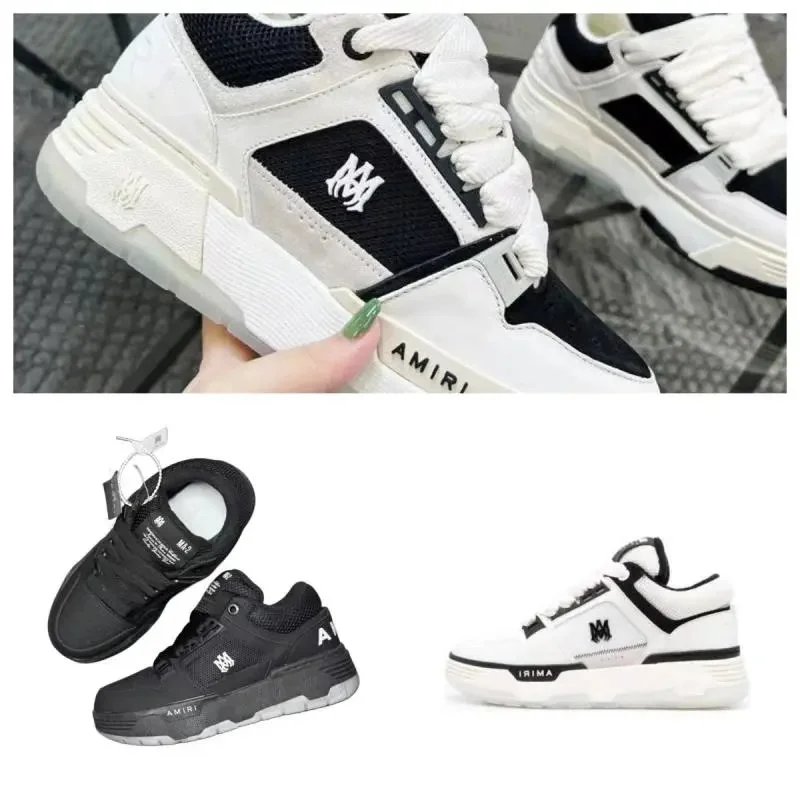
Sneakers P-0100 Unisex Sneakers | Kakobuy spreadsheet | BBDBuy spreadsheet | MyCNBox spreadsheet - 136114
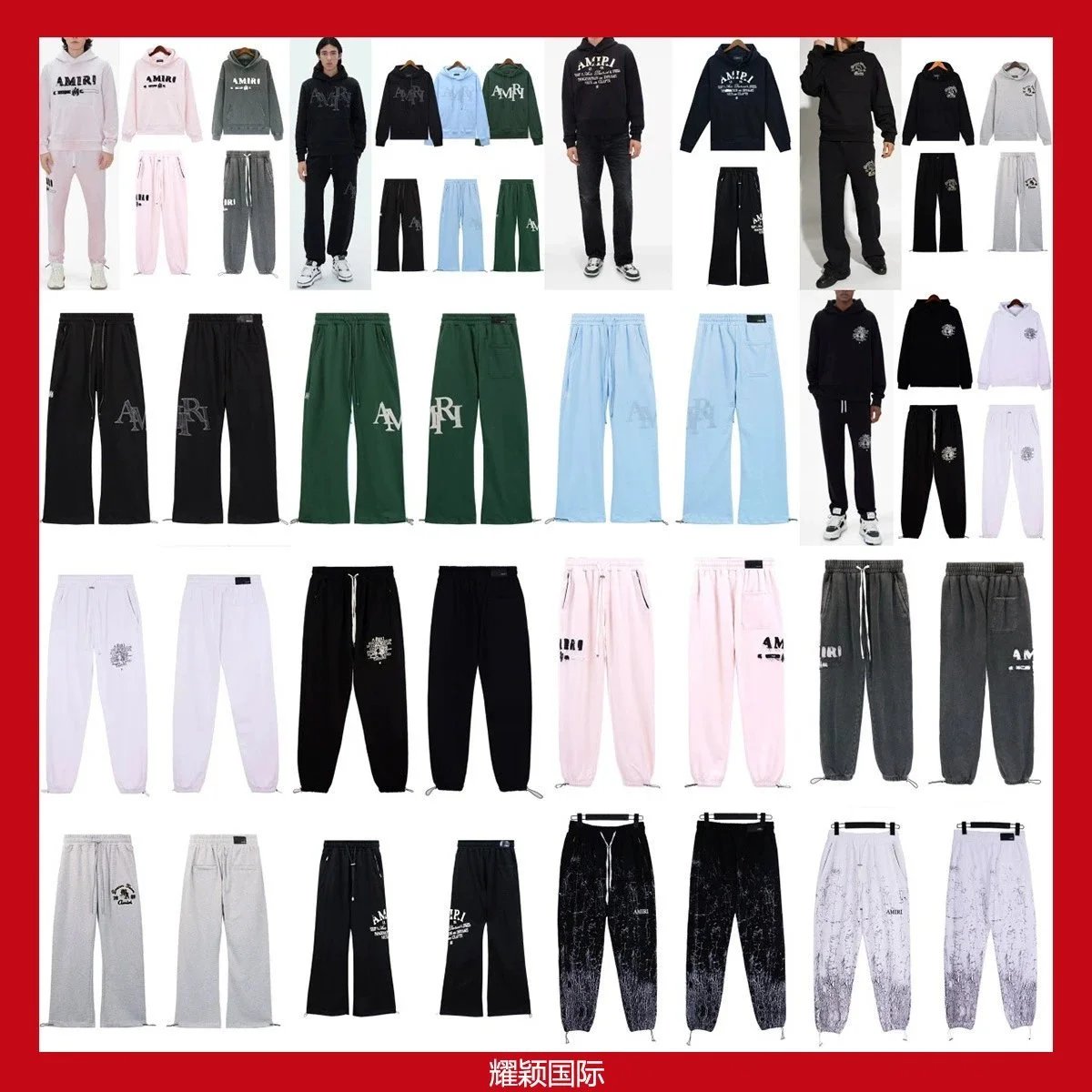
Graphic Hoodies and Sweatpants Collection LH25 Unisex | Oopbuy spreadsheet | Hipobuy spreadsheet - 140989

Sneakers 2025 Skate Sneakers | MyCNBox spreadsheet | iTaoBuy spreadsheet | USFans spreadsheet - 135965
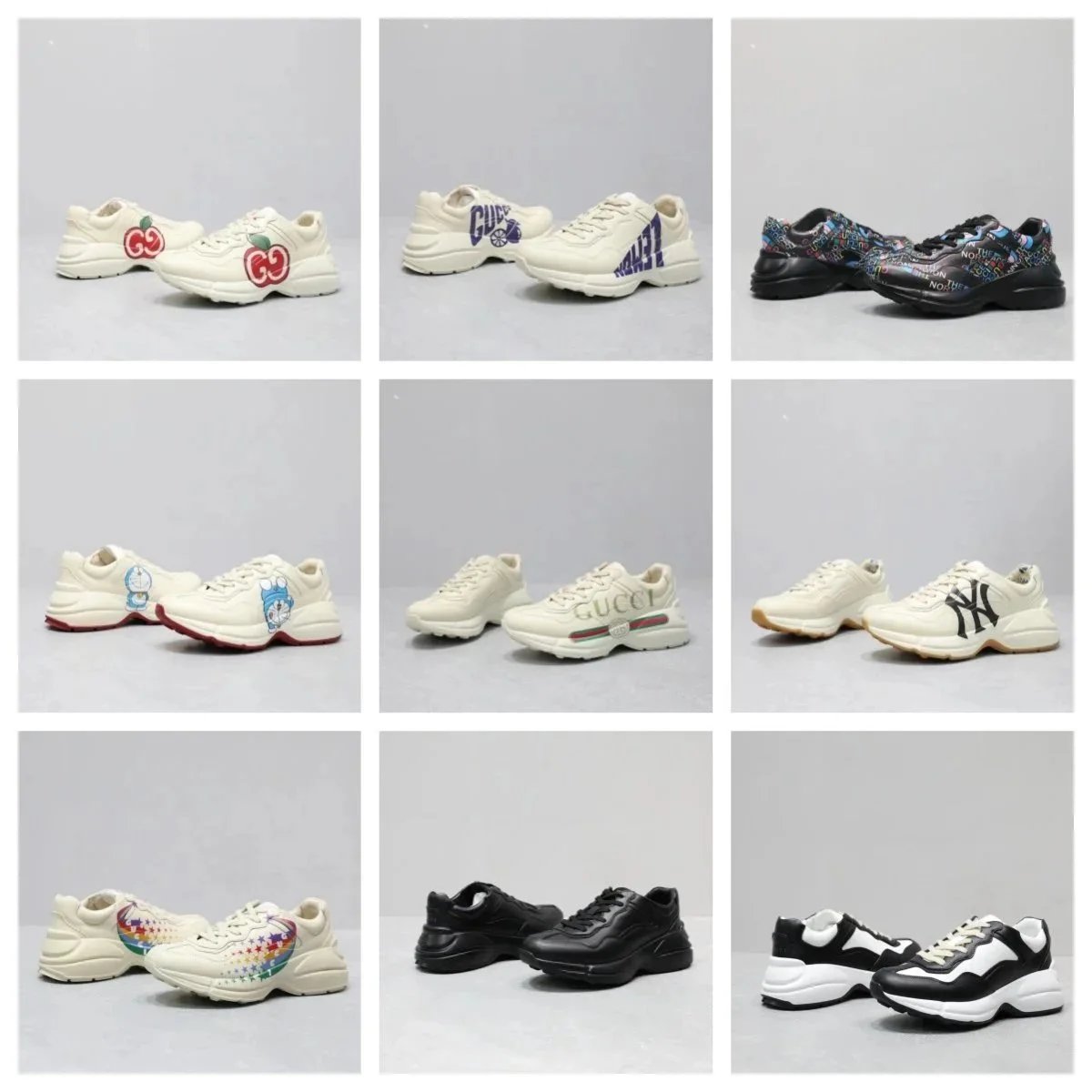
Sneakers BY03-CY Unisex Chunky Sneakers | Wheebuy spreadsheet | Lovegobuy spreadsheet - 141219