Cafans Journal
Stories & FindsPinguBuy Guide: The Complete CAFANS Shopping Handbook
If you have spent any time in the Chinese replica shopping community, you have probably come across the name PinguBuy. As a shopping agent platform, PinguBuy connects international buyers with sellers on Chinese marketplaces such as Taobao, Weidian and 1688. This PinguBuy guide walks you through everything a beginner needs to know, from the first search to the final parcel arriving at your door.
What Is PinguBuy?
PinguBuy is an agent service. Sellers on Chinese platforms generally do not ship overseas, and many only accept domestic payment methods. An agent solves this by purchasing on your behalf, receiving the goods at a warehouse in China, and offering quality-control photos, storage and international shipping. The PinguBuy shopping guide approach is simple: find a product, paste the link into the platform, pay, inspect the QC pictures, then consolidate your haul for shipping.
Why Use a PinguBuy Spreadsheet?
The single biggest time-saver in this hobby is a PinguBuy spreadsheet. Community-maintained spreadsheets collect verified PinguBuy product links organised by category — hoodies, sneakers, jackets, bags, accessories and more. Instead of scrolling endless marketplace listings, you open the sheet, filter by category or seller, and copy a link straight into the agent. Spreadsheets usually include notes on sizing, seller reliability and previously submitted QC photos, which makes them invaluable for planning a haul.
How to Read a Spreadsheet
Most sheets follow the same structure: category tabs, a product name, a picture, the marketplace link, the price in yuan and sometimes a seller rating. Treat the sheet as a starting point, not gospel. Prices change, listings sell out and sellers switch batches. Always double-check the current listing before ordering, and cross-reference with recent finds from community forums or Discord servers.
Step-by-Step: Your First Order
- Create an account. Register on the PinguBuy website and familiarise yourself with the dashboard, wallet and warehouse sections.
- Find products. Use a spreadsheet, a search bar with keywords, or reverse image search on marketplace links shared in communities.
- Submit the link. Paste the product URL, choose colour, size and quantity, and confirm the domestic shipping cost shown.
- Pay and wait. The agent purchases the item and it ships to the warehouse, usually within a few days.
- Review QC photos. Inspect the warehouse photos carefully for flaws, wrong sizes or missing items. Request a return or exchange if something is off.
- Consolidate and ship. Select the items you want to send, choose a shipping line, declare a value and pay the international freight.
- Track and receive. Follow the tracking number until the parcel reaches your address.
Understanding Shipping Lines
Shipping is where most beginners overspend. Lines differ in speed, price, weight limits and customs risk. Economy lines are cheap but slow; express lines are faster but pricier; some lines specialise in certain destinations or product types. Weight matters enormously — volumetric weight can apply to bulky items such as shoeboxes. Removing shoe boxes and unnecessary packaging during consolidation is one of the easiest ways to cut costs.
Quality Control Tips
QC photos are your safety net. Check stitching, logos, measurements and colour accuracy. Ask for extra photos if the angle is unclear. Keep in mind that warehouse lighting can distort colours, and that a single photo does not guarantee perfection. If an item looks wrong, act fast — return windows are short. Experienced buyers keep a note of trusted sellers and repeat-purchase from them.
Budgeting and Avoiding Mistakes
Set a budget before you browse, because spreadsheets make it dangerously easy to add “just one more item”. Remember that the product price is only part of the total: add domestic shipping, agent service fees, consolidation costs and international freight. Declare values honestly within the limits of your chosen line. Avoid ordering restricted goods such as batteries, liquids or branded electronics without checking line rules first. And always read the platform's terms on returns and insurance.
Using PinguBuy Product Links Effectively
A good PinguBuy product link saves you from dead listings and wrong variants. When sharing links, include the size and colour in your notes. When saving links for later, group them by haul or category. Many users keep a personal document mirroring the structure of a spreadsheet so they can plan a seasonal haul months in advance — for example, building an autumn wardrobe from hoodies, cargo pants and jackets found in the sheet.
Final Thoughts
PinguBuy is a tool, and like any tool it rewards preparation. Use the spreadsheet to discover products, follow the steps above to order safely, inspect your QC photos, and consolidate smartly to keep shipping costs down. Whether you are buying your first hoodie or assembling a full seasonal wardrobe, this PinguBuy guide should give you a solid foundation. Shop patiently, compare sellers, and enjoy the process — the community around PinguBuy spreadsheets and product links is one of the most helpful parts of the hobby.
Editor's selection
Popular Products

Sneakers B22 B30 Unisex Classic Sneakers | UIDBuy spreadsheet | BBDBuy spreadsheet - 135717

Outdoor Casual Sneakers | Hipobuy spreadsheet | OOTDBuy spreadsheet | JoyaGoo spreadsheet - 141223

Sneakers 04 Classic Sneakers | LoongBuy spreadsheet | JoyaGoo spreadsheet | USFans spreadsheet - 135678

Sneakers P-0100 Unisex Sneakers | Kakobuy spreadsheet | BBDBuy spreadsheet | MyCNBox spreadsheet - 136114
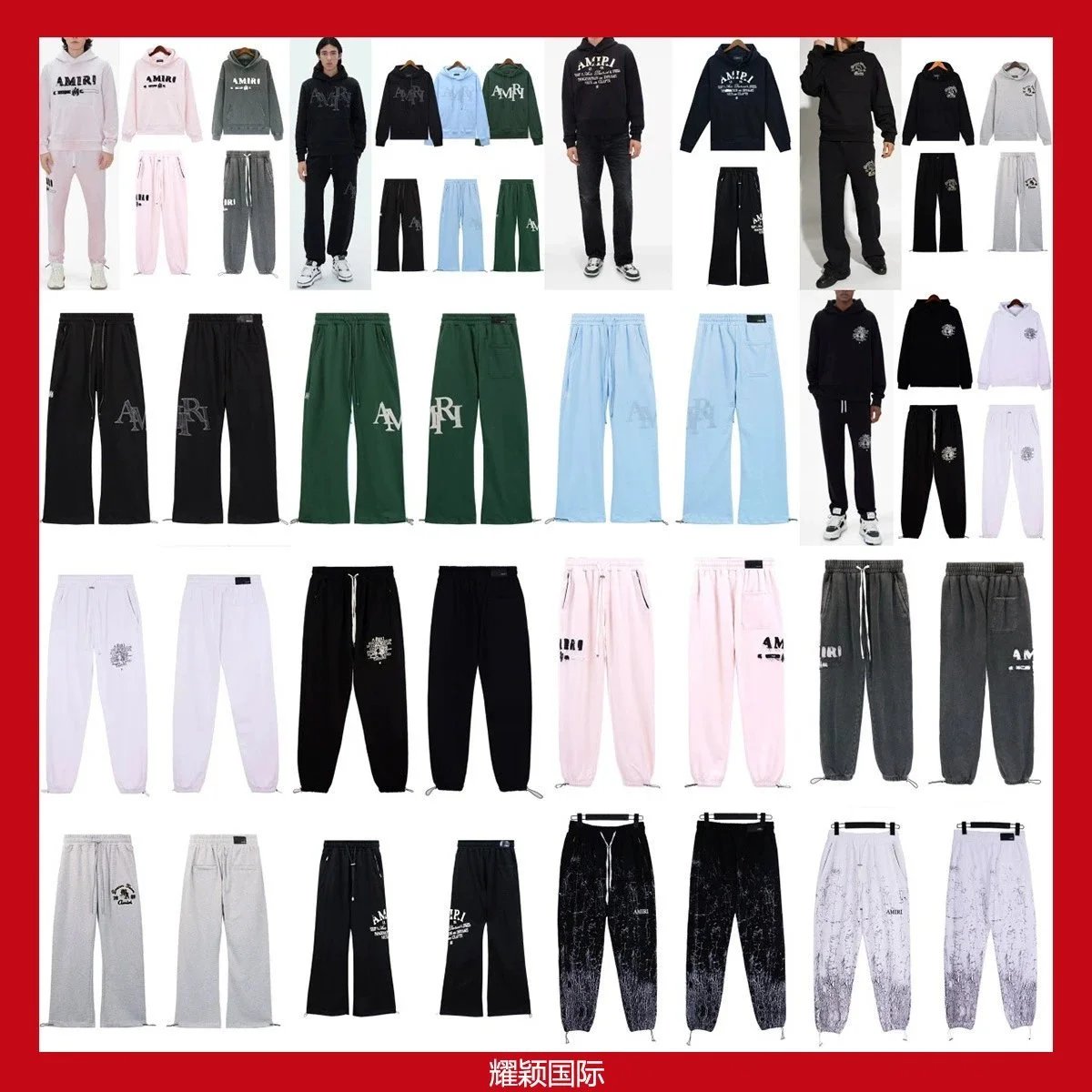
Graphic Hoodies and Sweatpants Collection LH25 Unisex | Oopbuy spreadsheet | Hipobuy spreadsheet - 140989

Sneakers 2025 Skate Sneakers | MyCNBox spreadsheet | iTaoBuy spreadsheet | USFans spreadsheet - 135965
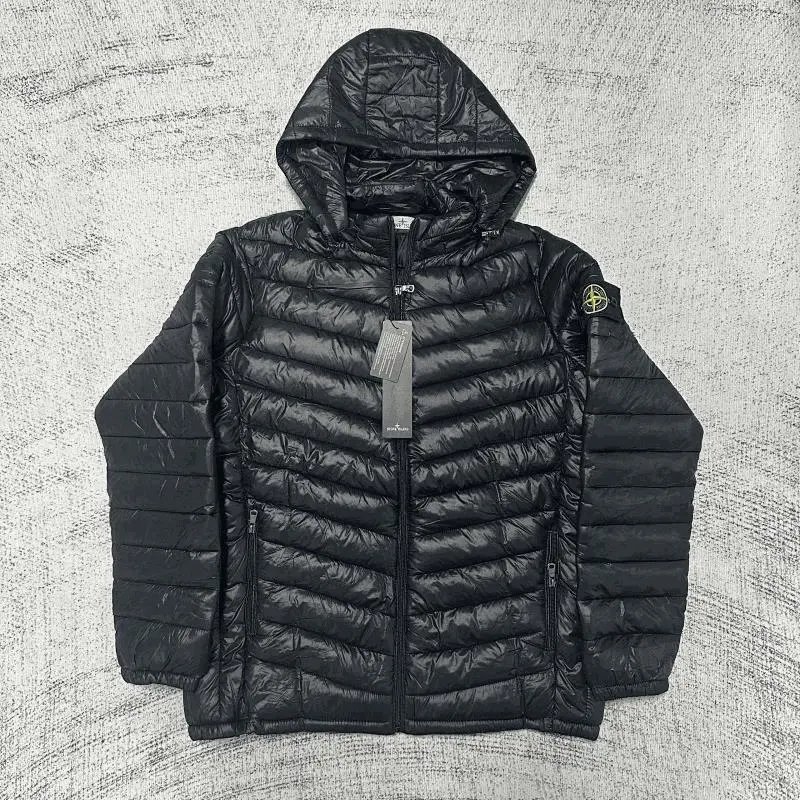
Winter Loose Down Jackets, Sweatshirts and Sweaters 003 | Sugargoo spreadsheet | CSSBuy spreadsheet - 141091