Cafans Journal
Stories & FindsMuleBuy Guide: English CAFANS Shopping Walkthrough
MuleBuy Guide: English CAFANS Shopping Walkthrough
This English CAFANS guide explains how MuleBuy works as a shopping agent for international buyers. MuleBuy helps shoppers purchase from Chinese marketplaces and consolidate orders into one international shipment. Whether you are new to agent platforms or comparing services, this MuleBuy guide covers the practical steps, from finding product links to tracking a parcel.
What Is MuleBuy?
MuleBuy is a shopping agent. Instead of buying directly from a Chinese seller, you submit a product link, and MuleBuy purchases the item on your behalf, receives it at its warehouse, performs a quality check, and stores it until you request shipping. This model suits buyers who want access to local sellers, combined shipping, and optional inspection photos.
New users often search for a MuleBuy guide or MuleBuy shopping guide to understand fees and workflows. The platform typically charges a service fee, domestic shipping, international freight, and optional extras such as reinforced packaging, waterproofing, or detailed QC (quality control) photos.
Step 1: Set Up Your Account
Register with an email address, verify your account, and complete your profile. Add a delivery address in your country and confirm your preferred currency. Keep your contact details accurate because customs declarations and courier notifications depend on them.
Before ordering, review the fee schedule. Ask support about exchange rates, payment methods, and refund rules. A reliable MuleBuy shopping guide should state clearly what happens if an item is out of stock, damaged, or delayed.
Step 2: Find Products and Submit Links
The core of the process is submitting MuleBuy product links. Copy the URL from the marketplace listing, paste it into the MuleBuy search or order form, and select the size, color, and quantity. Add a note if the listing has variants or bundle options.
Many buyers use a MuleBuy spreadsheet to organize orders. A spreadsheet can track seller names, item links, prices, sizes, QC status, and warehouse arrival dates. Community-shared spreadsheets and hauls also help you discover popular items. Treat shared lists as inspiration, not guarantees—verify every listing yourself before paying.
Step 3: Payment and Purchase
After submitting an order, pay the item price plus the domestic shipping to the MuleBuy warehouse. The agent then places the order with the seller. Processing times vary; some sellers ship within days, while others take longer. Check the order status regularly and respond quickly if the agent requests clarification about a size or variant.
Keep records of every transaction. Screenshots of the listing, the selected variant, and the payment confirmation protect you if a dispute arises.
Step 4: Warehouse Receipt and Quality Check
When the item reaches the warehouse, MuleBuy logs it and may provide free or paid inspection photos. Review the photos for visible defects, wrong colors, incorrect sizes, or missing accessories. If something looks wrong, contact support before approving international shipping. This step is where a good MuleBuy guide saves money: catching a problem early avoids expensive return shipping.
Items are usually stored free for a limited period. Plan your consolidation before storage fees begin. Many shoppers wait for several orders to arrive so they can ship one parcel.
Step 5: Consolidation and International Shipping
Select the items you want to ship and choose a courier line. Compare estimated delivery times, tracking quality, weight limits, and restricted-item rules. Declare the parcel honestly; undervaluing goods can cause customs delays or seizures.
Choose packaging add-ons based on the item. Shoes may benefit from a shoebox or corner protection; fragile goods may need bubble wrap. Confirm the final weight and volume because international freight is often charged by volumetric weight.
Step 6: Tracking and After-Sales
Once the parcel ships, use the tracking number on the courier website. Delivery times vary by destination and line. If tracking stalls, contact MuleBuy support with your order number. For damaged or missing items, follow the platform's claim process and provide photos and packaging evidence.
Practical Tips for a Smooth Experience
- Use a MuleBuy spreadsheet to compare prices and track QC results.
- Read recent reviews before choosing a courier line.
- Ask for extra photos on higher-value items.
- Consolidate orders to reduce per-parcel costs.
- Check restricted-item lists before buying batteries, liquids, or powders.
- Keep a buffer in your budget for fees, exchange-rate changes, and customs duties.
Common Terms You Will Encounter
While browsing, you may see terms such as agent, warehouse, consolidation, QC photos, rehearsal packaging, volumetric weight, customs declaration, haul, batch, seller rating, order status, refund, coupon, service fee, domestic shipping, international freight, tracking number, parcel, storage period, variant, stock status, pre-order, return policy, insurance, restricted items, repacking, weight estimate, delivery line, and after-sales support. Understanding these helps you navigate any MuleBuy shopping guide and avoid surprises.
Final Thoughts
MuleBuy can be a practical route to Chinese marketplace products when you understand the workflow. Start with a small order, test the QC process, and learn how consolidation affects shipping costs. Use this MuleBuy guide as a checklist, verify product links carefully, and keep organized records. With patience and realistic expectations, the process becomes routine.
Editor's selection
Popular Products
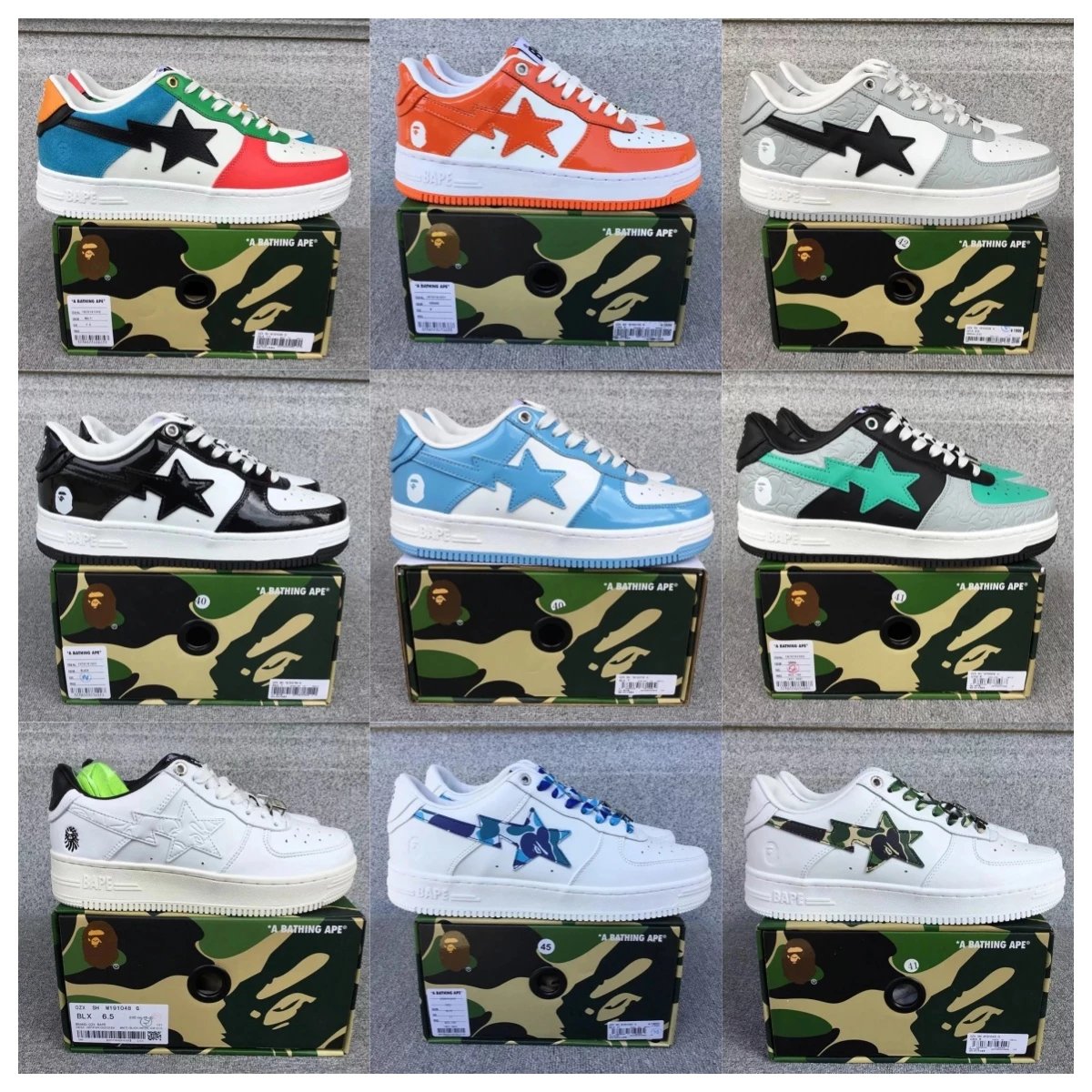
Skate Shoes SQ-002 | LoongBuy spreadsheet | Superbuy spreadsheet | Sugargoo spreadsheet - 141122
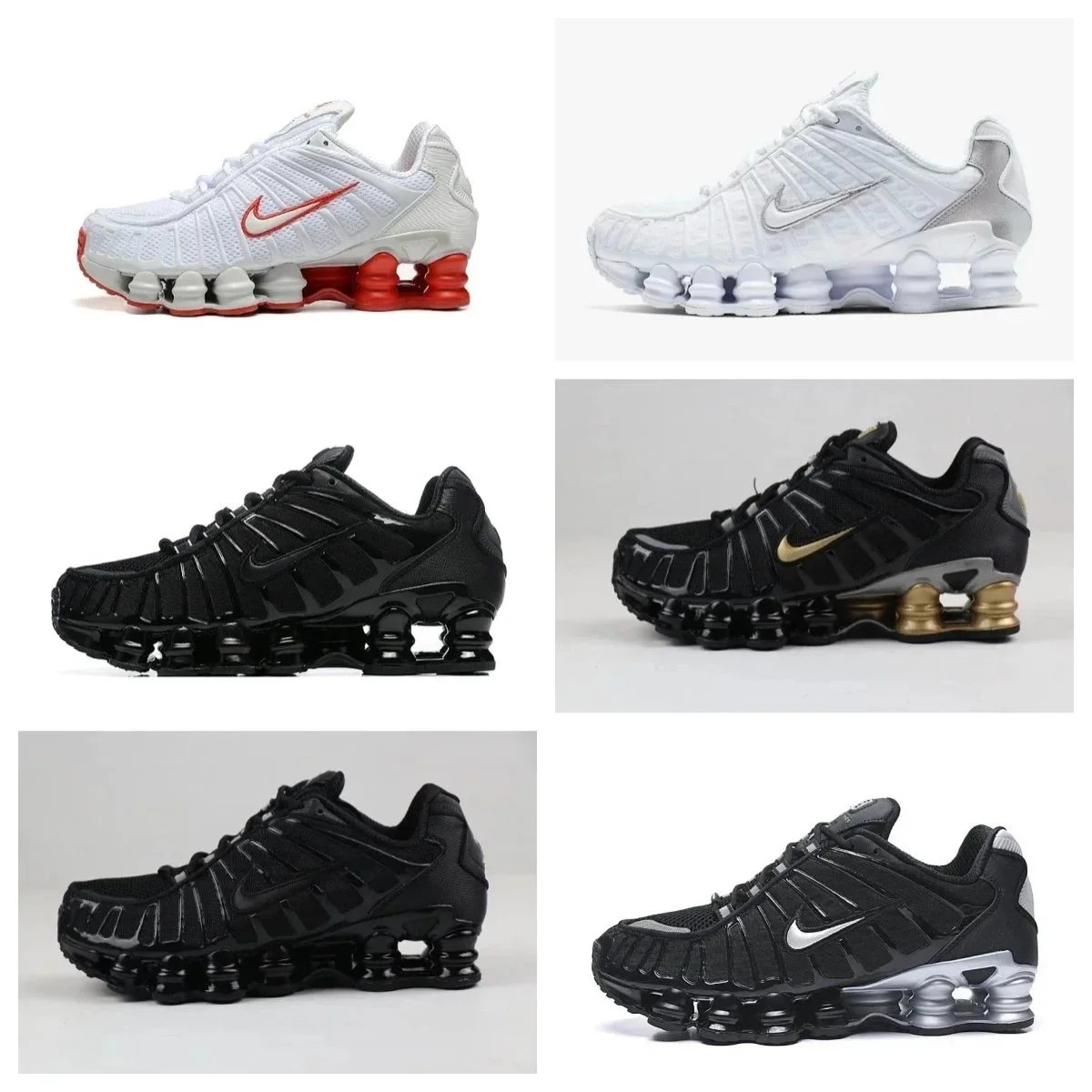
Casual Shoes | Oopbuy spreadsheet | MyCNBox spreadsheet | Sugargoo spreadsheet - 135681

Platform Casual Shoes | Hubbuycn spreadsheet | Fansbuy spreadsheet - 135441
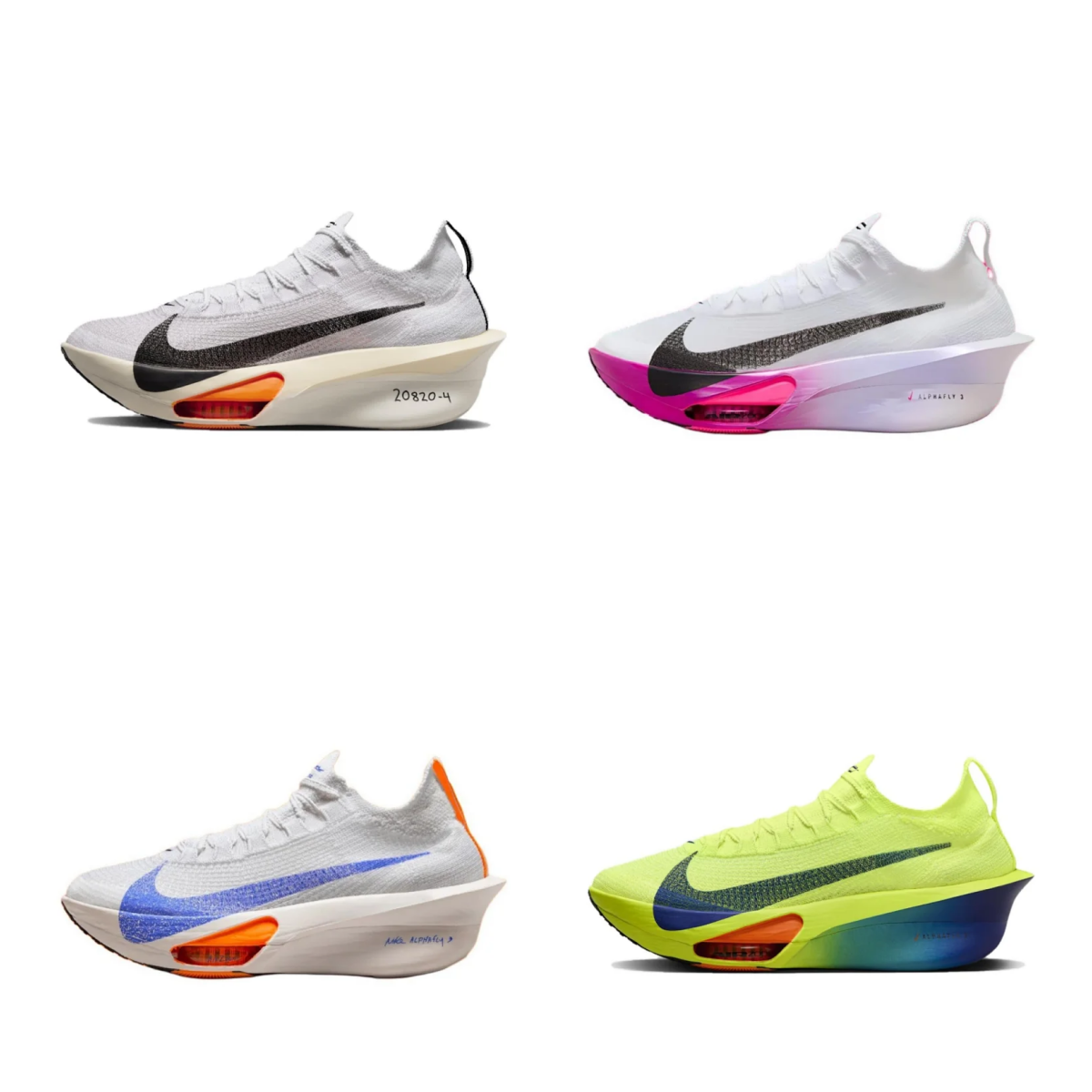
Shoes Ph076 Breathable Running Shoes | CSSBuy spreadsheet | LoongBuy spreadsheet - 136150

Shoes XW21 Casual Shoes | Litbuy spreadsheet | CNShopper spreadsheet | JoyaGoo spreadsheet - 136147
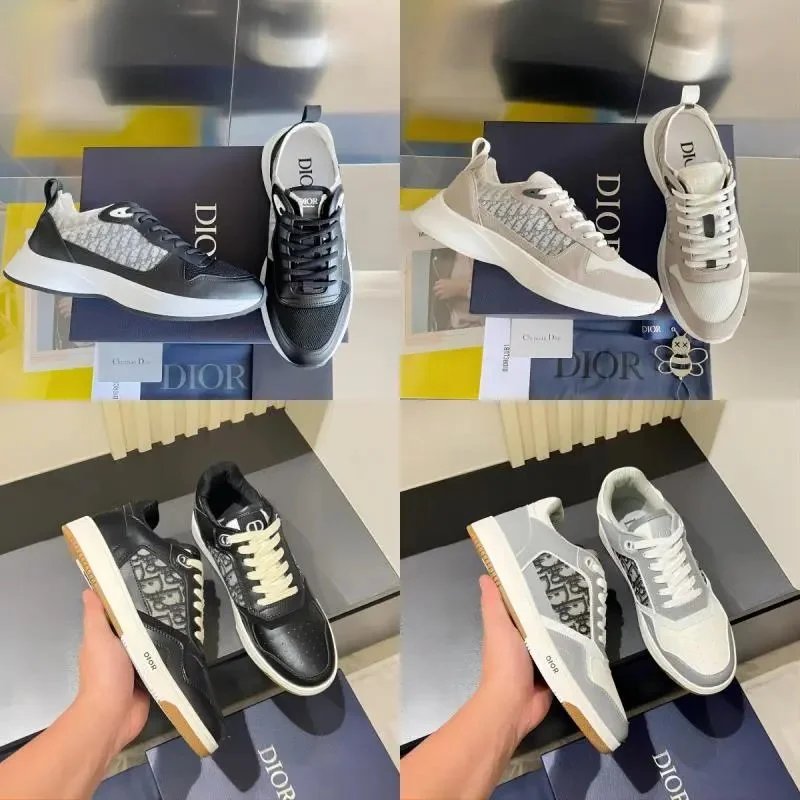
PH Running Shoes | MyCNBox spreadsheet | Hubbuycn spreadsheet - 136149
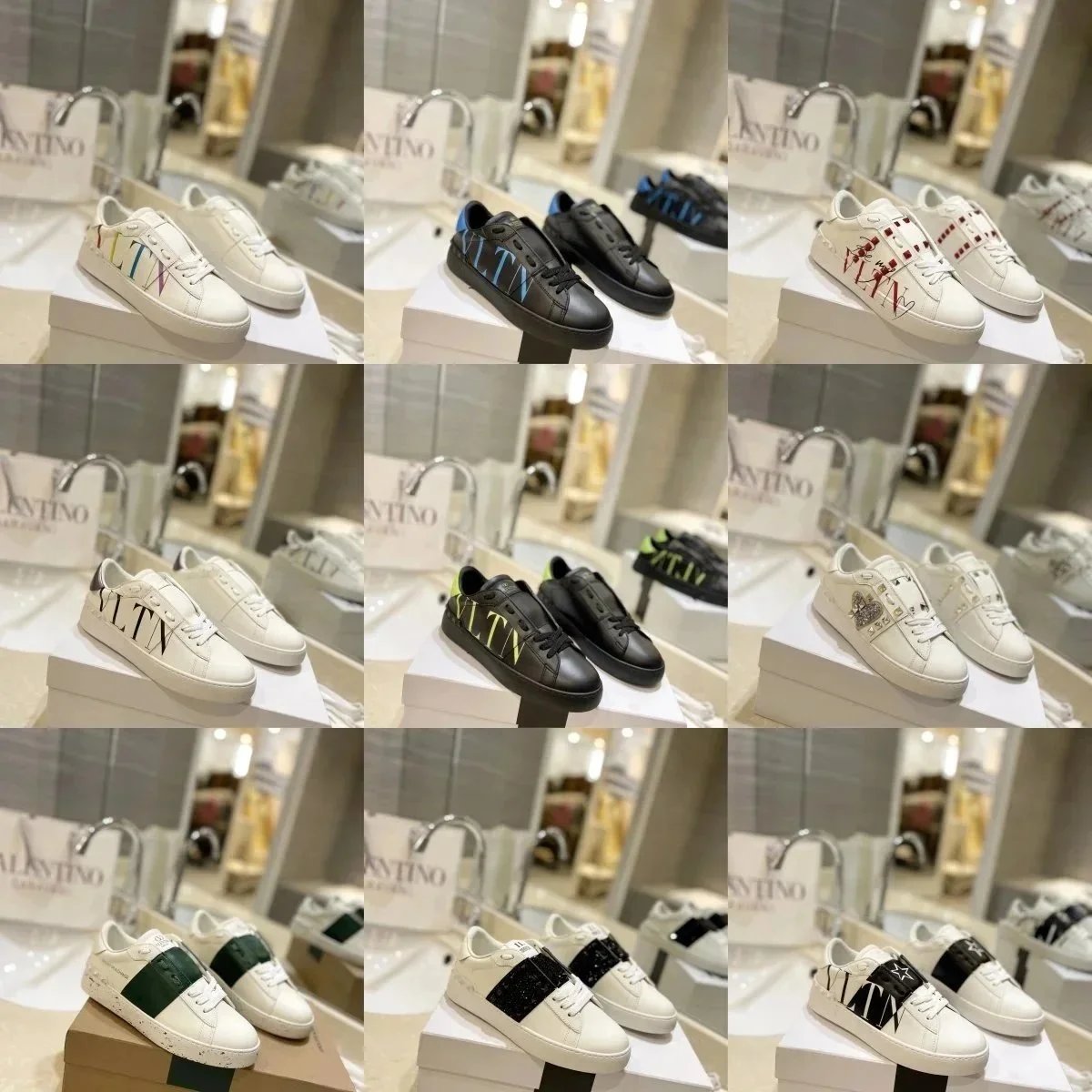
Shoes 006-RS Classic Casual Shoes | Oopbuy spreadsheet | Kakobuy spreadsheet | Lovegobuy spreadsheet - 136148